

Going through puberty can be a challenge for any child. But children who experience early puberty can have physical, social and emotional challenges that their peers may not, according to researchers. Early puberty or precocious puberty describes puberty that begins before age 8 in girls and before age 9 in boys. Girls are much more likely than boys to experience this condition. If your child experiences early puberty, how can you help?
Puberty is a major developmental transition in a child’s life, but when it happens earlier than expected, it can bring unique challenges for kids and their parents. For girls, early puberty (also known as precocious puberty) is defined as the onset of puberty before age 8. This includes the development of secondary sexual characteristics such as breast development, and eventually the onset of menstruation.
Age of puberty has been declining for decades
The mean age of puberty in girls has been falling in Western populations for the past 150 years. The average age of puberty onset in girls is now 10½. Girls get their period on average at age 12½ to 13. More than 1 in 7 (15%) of American girls start puberty at age 7, and more than 1 in 4 (28%) by age 8, according to the Society for Menstrual Cycle Research. Boys are now reaching puberty by age 10, which is six months to two years earlier than previous generations of boys.
Once started, the whole process of puberty takes three to four years. One of the most noticeable parts of puberty is that girls usually grow taller than boys around 11 or 12 years old. Boys catch up and pass them by around age 14 or so. There is no definitive cause for why boys and girls are reaching puberty at younger ages, but childhood obesity, environmental factors and stress could play a role.
Resources for parents
S. Paige Hertweck, M.D., pediatric and adolescent gynecologist with Norton Children’s Gynecology, recommends a couple of helpful resources:
Girlology: A Girl’s Guide to Stuff that Matters,” a book authored by a pediatrician and OB/GYN. Girlology also has an online community.
- “The Care and Keeping of You,” a book divided into two age-appropriate volumes for reading and discussion.
- “What’s the Big Secret?” for younger children.
What are the effects of early puberty?
When it comes to early puberty, boys and girls can begin to feel isolated, embarrassed and ashamed about their body and experience issues with their peers, including bullying. Girls are more likely to experience the negative psychological and social consequences of puberty. Studies show that girls are more likely to internalize these feelings, which can prolong the unease and increase their risk for depression. Further, a 2018 study shows girls who begin puberty earlier are at higher risk for mental health issues. The study showed that these girls are more likely to become depressed during their teen years, which can persist into adulthood.
Boys also experience social and emotional effects of early puberty. Boys with early puberty experience more social isolation and are more likely to have conflicts with family and friends, according to one study.

How can parents or guardians help children who are experiencing early puberty?
Helping kids navigate social and emotional hurdles during puberty that are tricky at 13 can be even more so when a child is 7 or 8 years old. But these hurdles call for parenting skills that apply at any age: being emotionally present for children during developmental milestones, witnessing their growing pains and providing comfort to help them build resilience when life throws them curveballs. What else can parents do?
- Start a conversation.Caregivers shouldn’t be afraid to start the conversation about puberty early, so the transition can seem less foreign and scary. Caregivers should consider talking about sexual development by age 6 or 7, and keep the lines of communication open for questions and worries their child may have.
- Be an advocate.When your child experiences issues with school, sports or extracurriculars, talking with teachers and coaches may lead to adjustments that can improve your child’s situation.
- Don’t be afraid to get help.Maybe your son starts refusing to shower or wear deodorant. Maybe your daughter has lost interest in a sport she’s always loved. It’s OK to get help from your child’s pediatrician about how to manage the ebb and flow of early puberty. Your pediatrician also can refer your child to a pediatric gynecologistor pediatric urologist for further care regarding puberty.

How Does Precocious Puberty Affect Kids? As early as puberty ends, kids with precocious puberty usually fail to reach their full adult height potential. Their skeletons mature and bone growth stops earlier than normal, which means they do not reach their full height as adults.
The early growth spurt may result in them initially being taller than their peers, but they may stop growing too soon, resulting in a shorter height than they would have otherwise achieved [6]. Experiencing puberty too early can also be difficult emotionally and socially for children. Girls who experience precocious puberty, for instance, may feel confused or embarrassed about getting their periods or having enlarged breasts well before other girls. Even their moods and behaviours can change when they experience precocious puberty. Girls may become moody and irritable. Boys may become aggressive and develop inappropriate sex drives.
On A Final Note… A child going through early puberty may struggle emotionally and socially. They may not feel that they fit in. They might become depressed, moody, or aggressive. As parents, you should support and guide them the right way. There are times when treatment of a related health problem can stop precocious puberty, but most of the time, there is no other disease present, which means that hormone therapy is required to stop sexual development.

How Common Is Early Puberty?
Studies show that the mean age of pubertal onset for girls has been falling over the past century, to an average onset of 10.5 years old. About 15% of girls will go through puberty “early” (before age 7), and around 28% will start puberty around age 8. Factors such as genetics, weight, environmental influences and the effects of stress may contribute to earlier development. While true “early puberty” affects only a minority of girls, the onset of puberty can be earlier than many parents expect.
Why Early Puberty Can Be Difficult for Girls
Girls who experience early puberty often face emotional and social challenges. For example, they may feel self-conscious about their changing bodies, leading to feelings of isolation, embarrassment and shame. Additionally, studies have shown that early puberty is associated with an increased risk of mental health concerns including anxiety, depression and body dysmorphia which can persist into adulthood.
Socially, girls who develop earlier may receive unwanted attention from peers and adults and are at risk of being perceived as older than their chronological age. They are athigher risk of bullying and even sexual harassment and can have more difficulty navigating friendships.
The Challenges for Parents
Many parents feel unprepared to discuss puberty with their daughter at such a young age or feel uncomfortable navigating conversations about changing bodies or sexual maturation. Parents may also struggle with their own emotions and reactions and find it hard to tolerate the changes in their child.
What Steps Should Parents Take If Their Child Shows Signs of Early Puberty?
According to Specialist Level I, Nguyen Thi Thu Huong, MD, MSc in the Internal Medicine Department at FV Hospital, children with early puberty should receive timely intervention to prevent short stature and potential psychosocial issues. However, many parents are still unclear about what early puberty actually is, often missing the critical window for supporting their child.
Early Puberty: Risk of Short Stature and Emotional-Psychological Challenges in Children
Recent media reports have highlighted a significant rise in the number of children receiving treatment for early puberty. Some children, as young as 6 to 8 years old, are already showing signs of puberty, raising concerns among many parents.
Dr Nguyen Thi Thu Huong from the Internal Medicine Department at FV Hospital, explains that early puberty refers to the onset of pubertal signs earlier than expected – specifically, before the age of 8 in girls and 9 in boys.
Common signs of early puberty include rapid height growth, acne, body odour, body hair growth, and mood changes. Girls may develop breasts and begin menstruating, while boys may experience voice deepening, enlargement of the testicles and penis, and even ejaculation. Studies show that early puberty is four times more common in girls than in boys,” explained Specialist Level I, Nguyen Thi Thu Huong, MD, MSc in Internal Medicine Department at FV Hospital.
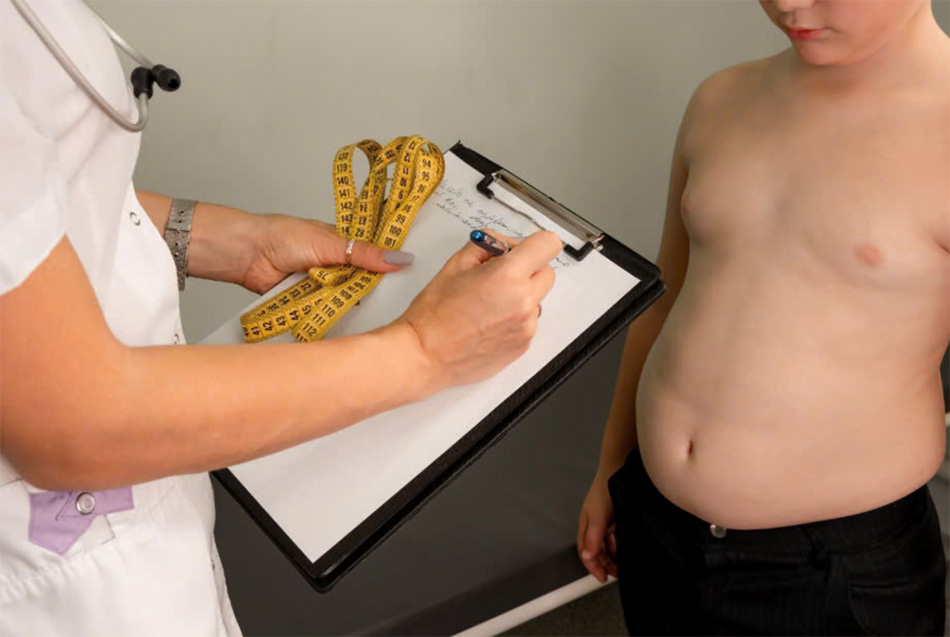
Most cases of early puberty have no identifiable cause. However, a small percentage are linked to underlying conditions such as pituitary tumours, hormonal disorders, or genetic factors. In today’s modern lifestyle, several contributing factors have also been noted, including obesity, unbalanced diets, poor food quality, environmental pollution, and psychological stress.
Early puberty is not just a matter of “growing up too soon”, it can significantly impact a child’s physical and mental health. “One of the main concerns is height. The early rise of sex hormones accelerates bone maturation. While children may initially grow taller rapidly, the early closure of growth plates caused by this hormonal surge can limit their final adult height – typically around age 12 for girls and 15 for boys,” Dr Huong explained.
Furthermore, that early development of vaginal discharge and the onset of menstruation in girls – or testicular growth and ejaculation in boys – can pose hygiene challenges. At such a young age, children often lack the awareness and skills needed to care for their bodies properly, increasing the risk of infections.
“The early physical changes can also expose children to potential abuse, with serious consequences. Emotional and psychological changes, such as irritability, anxiety, and feeling different from peers, can lead to depression or even social withdrawal,” she added.

Early Puberty Requires a Comprehensive Treatment Strategy
When early signs of puberty appear, such as breast development in girls before age 8 or voice deepening in boys before age 9 – parents should consult a paediatric endocrinologist for proper evaluation.
With over 15 years of experience in diagnosing and treating early puberty, the Internal Medicine Department at FV Hospital provides a comprehensive approach. Children are first examined by endocrinology specialists, who conduct essential evaluations to determine a diagnosis. These include breast and abdominal ultrasounds to assess the uterus and ovaries in girls, testicular ultrasound in boys, and a hand X-ray to determine bone age.
Next, blood tests are performed to measure sex hormone levels and identify potential underlying causes, such as elevated prolactin, thyroid dysfunction, or tumours that secrete beta-HCG. If hormone levels appear low but imaging indicates ongoing pubertal development, a stimulation test using Diphereline is conducted to confirm the diagnosis.
Finally, an MRI scan of the pituitary gland is performed to rule out tumours – an essential step before initiating puberty-suppressing treatment.
How Parents Can Support Their Daughters Through Early Puberty
Navigating early puberty requires a thoughtful and compassionate approach. Here are some tips to get you started.
Start Open and Age-Appropriate Conversations
Even if puberty seems far off, it’s never too early to talk about puberty and bodily change in simple and reassuring ways. Ideally, these conversations begin well before puberty. Books such as “The Care and Keeping of You for Younger Girls” and “Celebrate Your Body and Its Changes, Too” are great to read with your child. If your daughter is developing early, explain what’s happening in a way she can understand, and normalize these changes so she doesn’t feel like something is wrong.
Validate Her Feelings
It’s important to acknowledge and validate any emotions your daughter may have. If she expresses embarrassment, anxiety or confusion, listen and reassure her that what she’s going through is completely normal. Let her know she’s not alone and that many other girls experience the same thing.
Provide Practical Support
Help your daughter feel prepared by providing the necessary products, such as bras, deodorant or menstrual supplies before she needs them, and teaching her how to use them. Your daughter will also need you to be her advocate. This may involve communication with teachers or coaches, or with other parents, to make sure your daughter has whatever accommodations she needs (e.g. bathroom breaks, private places to change, etc.).
Encourage Positive Body Image or Work Towards Body Neutrality
Girls going through early puberty may struggle with their body image and experience shame about their changing bodies. Be mindful about how you talk about your body and don’t comment on a child’s body. Help your daughter focus on what her body can do rather than how it looks, normalize different body types, and reinforce the idea that all bodies develop at their own pace and that differences are normal.
Monitor Her Emotional Well-Being
Because early puberty is linked to higher rates of anxiety and depression, keep an eye out for changes in mood, withdrawal from activities or signs of distress. Consider consulting with your pediatrician or a trained therapist if you are concerned about your daughter’s emotional well-being.
Final Thoughts
Early puberty can be a challenging experience for girls, but the right support can make all the difference. Remember to also put on your own oxygen mask first. Taking care of your own emotional needs as a parent is a critical part of parenting your daughter through this experience.