Home Blog Page 3

Know the 7 Dirtiest Things in Hotels

0

Whether traveling for leisure or work, we often browse various websites before heading to a new destination. We look for good hotels and read reviews, and some even sigh with satisfaction after booking a room in a reputed hotel. But does this guarantee safety?

Most hotel authorities claim to strictly adhere to cleanliness protocols. However, the implementation of these protocols is often questionable. According to naturopathic doctor Dr. Jennifer Stagg, “You might think that by spending more on an expensive hotel, you’ll get the cleanest room, but investigative reports often tell a different story.”

So, how aware should travelers actually be? Dr. S. Wesley Long, the medical director of the Diagnostic Microbiology Department at Houston Methodist Hospital, states, “Those with comparatively weak immune systems need to be extra cautious.” However, everyone else should also exercise caution. No one wants to fall ill while traveling.

It’s challenging to ensure a room is completely germ-free. Thus, frequent handwashing is crucial, especially before eating. Additionally, following some precautions can help keep many pathogens at bay.

1. Glassware

Despite having various cleanliness protocols in place, germs may linger in room glassware or minibar containers. It’s often unclear whether these glasses have been properly cleaned. Dr. Long advises, “I generally try not to drink water from reusable glasses because many previous guests have touched or used them.” Some hotel staff may not clean all containers thoroughly. If they believe a guest hasn’t used the glass, they may just rinse it with water, which may not be sufficient for germ removal. To stay safe, you can request disposable cups or carry portable, reusable cups with you.

2. Bathrooms and Taps

Germs can hide on bathroom floors if not cleaned properly, but the biggest breeding ground for germs can be the taps or shower handles. Dr. Stagg believes, “Often, the cloth used to clean the toilet is also used to clean the taps or surrounding areas. This can transfer toilet germs to the taps and other fixtures.” This can lead to the spread of various viruses, including gastrointestinal infections. The same cloth may be used in different rooms. Dr. Long recommends keeping personal items like toothbrushes or razors away from bathroom surfaces, storing them in a bag brought from home instead.

3. Remote Controls

Remote controls are among the most touched items in hotels. Many hotels claim to clean TV remote controls adequately, but this claim is often questionable. In the post-COVID era, many hotels cover remote controls with plastic wraps, making them easier to disinfect. However, Dr. Long advises washing your hands after each use of the remote. If it isn’t covered in plastic, consider placing it in a plastic or poly bag before using it.

4. Tables

Hotel tables are constantly in use—people place food, work on laptops, or lay dirty clothes on them. Therefore, the likelihood of germs on tables is quite high. It’s best to clean the table with sanitizer before use to prevent germs from spreading to your laptop, papers, or food.

5. Telephones

When we need something in the hotel, we quickly grab the room telephone. Before doing so next time, be cautious. The phone is not only touched with hands but also held near the mouth while speaking. This can allow dangerous bacteria, like MRSA (Methicillin-resistant Staphylococcus aureus), to linger on the phone. These bacteria can cause severe skin infections, and harmful respiratory viruses, including E. coli, may also be present. If you must talk, it’s better to use the speakerphone.

6. Coffee Makers

A study has found evidence of bacteria inside coffee machines after just a year of use. Dr. Stagg also believes that coffee makers can harbor fungi and respiratory viruses. Therefore, if there’s a coffee maker in your hotel room, it’s best to avoid using it. Instead, consider getting coffee from the hotel lobby. If you really don’t want to leave your room, check if you can use single-use pods in the machine. In this case, also use disposable cups. If you notice that your room’s coffee maker appears old or dirty, you can request a new machine from the staff.

7. Beds and Pillows

After a long day of travel, one may feel inclined to collapse onto the hotel bed. Pause for a moment and look around. If any part of the bed appears dirty, request fresh sheets immediately. Dr. Stagg has shared a shocking fact: “Dirty sheets, blankets, and pillow covers in hotels may harbor germs associated with sexually transmitted diseases.” As soon as you enter the hotel room, call for staff to bring additional pillow covers so you can choose clean ones yourself. Additionally, some pillows are placed for decorative purposes; it’s best not to use these, as they are rarely cleaned.

Staying Safe While Traveling

Traveling can be a delightful experience, but it’s crucial to remain vigilant about cleanliness in hotels. Awareness of the potential germ hotspots can significantly enhance your safety and health during your stay. Always prioritize personal hygiene, such as washing hands frequently and using sanitizers. Additionally, consider bringing your own travel essentials, like reusable cups and cleaning wipes, to ensure a cleaner environment. By taking these precautions, you can enjoy your travels to destinations like Cox’s Bazar with peace of mind, knowing you’re doing your best to protect yourself and your loved ones from harmful germs. Safe travels!

Cox’s Bazar: The Jewel of the Bay of Bengal

0

Cox’s Bazar, located on the southeastern coast of Bangladesh, is renowned for having the longest natural sea beach in the world, stretching over 120 kilometers. This picturesque destination has become a popular tourist hotspot, attracting visitors from all corners of the globe. With its stunning landscapes, vibrant culture, and diverse recreational activities, Cox’s Bazar offers a unique experience that captivates the hearts of travelers.

Natural Beauty

The mesmerizing beauty of Cox’s Bazar lies in its golden sandy beaches, azure waters, and lush greenery. The beach is lined with coconut palms and colorful fishing boats, creating a stunning backdrop for visitors. The rhythmic sound of the waves crashing against the shore and the gentle sea breeze provide a tranquil atmosphere, making it an ideal spot for relaxation and reflection.

Adventure Awaits

For adventure enthusiasts, Cox’s Bazar offers a wide range of activities. Tourists can indulge in swimming, surfing, and beach volleyball, or take a leisurely stroll along the shore during sunset. The nearby Himchari National Park and Inani Beach are perfect for nature lovers, providing opportunities for hiking and exploring the diverse flora and fauna of the region. Additionally, the vibrant coral reefs near Saint Martin’s Island offer excellent snorkeling and scuba diving experiences.

Cultural Richness

Cox’s Bazar is not just about its natural beauty; it also boasts a rich cultural heritage. The local communities, primarily composed of the Rakhine people, have their unique traditions and lifestyles. Visitors can explore traditional handicrafts, sample delicious local cuisine, and immerse themselves in the warm hospitality of the locals. The annual beach festival, featuring music, dance, and art, showcases the vibrant culture and spirit of the region.

How to Get There

Cox’s Bazar is easily accessible from Dhaka, the capital city of Bangladesh. Several airlines operate domestic flights to Cox’s Bazar Airport, making it convenient for travelers. Alternatively, visitors can opt for a scenic road trip, enjoying the picturesque countryside along the way.

Cox’s Bazar is a paradise for beach lovers and adventure seekers alike. Its breathtaking landscapes, diverse activities, and rich cultural experiences make it a must-visit destination in Bangladesh. Whether you’re looking to unwind on the beach, explore nature, or immerse yourself in local culture, Cox’s Bazar has something for everyone. So pack your bags and get ready to create unforgettable memories in this coastal gem of the Bay of Bengal!

The Importance of Family Outings

It is essential for parents to take their children on outings during their leisure time, and Cox’s Bazar serves as the perfect destination for such family adventures. Spending quality time together in a beautiful setting not only strengthens family bonds but also creates lasting memories for children. Exploring new environments fosters curiosity and encourages kids to appreciate nature and cultural diversity. Engaging in outdoor activities, such as beach games, swimming, or simply enjoying a picnic by the sea, promotes physical well-being and enhances social skills. These experiences also provide parents with the opportunity to teach their children about the importance of environmental conservation and cultural appreciation, making family outings both enjoyable and educational.

Why is LinkedIn Important for Students?

0

LinkedIn is primarily a networking platform for professionals. However, many believe that students should start familiarizing themselves with this website or app early in their academic life. Young professional Farhana Akhter Khan, for instance, has been active on LinkedIn since her university days. Now, she has over 147,000 followers on the platform. She says, “I received my first job offer through LinkedIn. I have also discovered various workshops and conferences through it. I encourage university students to get started on LinkedIn as early as possible.”

This professional networking site provides daily job listings from around the world, helping students stay updated on job market trends and requirements. It also offers opportunities to find part-time jobs. Moreover, students can observe how renowned professionals showcase their work and even follow them for insights.

Adham Azhar

Things to Keep in Mind

There are some important considerations while using LinkedIn. Alimul Hasan, a Senior Project Manager at a Japanese development organization, advises, “You should not behave on LinkedIn the way you do on Facebook or Instagram. Use a professional profile picture—look at images of established professionals for guidance. Additionally, keep your profile regularly updated with accurate and relevant information. When sharing any post, image, or video, maintain a professional tone.”

Recruiters might assess your LinkedIn profile before offering you a job, so it’s essential to keep it well-structured. Writing blogs regularly can help grab attention. You can document your experiences from workshops, courses, or professional events. Sharing reviews of books related to your industry or analyzing industry news can also add value to your profile. However, avoid posting personal or irrelevant content on LinkedIn.

Optimizing Your LinkedIn Profile

At the beginning of your profile, write a concise About section that gives a clear overview of your interests, skills, and experiences at a glance. If possible, request recommendations from teachers, mentors, or other professionals. Likewise, you can endorse others for their skills as a professional courtesy.

By exploring the Jobs tab on LinkedIn, you can search for job postings based on industry, location, and experience level. Many companies allow direct job applications through LinkedIn. Additionally, the LinkedIn Learning feature provides access to various courses, and after completing a course, you can add the certification to your profile.

In short, LinkedIn is an essential platform for students looking to build a strong professional network and gain career opportunities from an early stage.

How Students Can Use LinkedIn Effectively

LinkedIn is a powerful tool for students to build their professional network, showcase their skills, and explore career opportunities. Here’s how students can make the most of LinkedIn:

1. Create a Strong Profile

  • Use a professional profile picture.
  • Write a compelling headline that reflects your aspirations.
  • Craft a well-written summary that highlights your interests, skills, and career goals.
  • Add your educational background, coursework, and relevant certifications.

2. Build Your Network

  • Connect with classmates, professors, and professionals in your field.
  • Personalize connection requests with a brief message.
  • Join LinkedIn groups related to your interests and participate in discussions.

3. Showcase Your Skills and Experience

  • Add internships, part-time jobs, volunteer work, and projects.
  • Highlight your skills and get endorsements from peers and professors.
  • Request recommendations from mentors or supervisors.

4. Engage with Content

  • Share articles, projects, and thoughts related to your field.
  • Comment on and engage with posts from professionals.
  • Follow industry leaders and companies to stay updated.

5. Search for Opportunities

  • Use LinkedIn’s job search feature to find internships and entry-level jobs.
  • Set job alerts for positions that match your interests.
  • Reach out to recruiters and express your interest in opportunities.

6. Learn and Grow

  • Take LinkedIn Learning courses to enhance your skills.
  • Follow relevant hashtags and trends in your industry.
  • Stay updated with news and insights from your field.

7. Maintain a Professional Online Presence

  • Keep your profile updated with new achievements and experiences.
  • Avoid unprofessional content and ensure your interactions are respectful.
  • Be consistent and active in networking and content sharing.

By using LinkedIn strategically, students can create valuable connections, showcase their abilities, and unlock exciting career opportunities.

Government Brajalal College: The First Higher Education Institution in Greater Khulna

0

Soft winter sunlight falls gently on the rows of mango trees, casting a golden hue on the lush green grass of the vast field. Students gather in small groups across the field, sharing laughter, conversations, stories, and playful banter. In one corner, a group celebrates a friend’s birthday by cutting a cake.

These are glimpses from January 7th at the grounds of Government Brajalal College in Khulna. Moving past the field towards the Bakul Square near the Shaheed Minar, we find the hub of cultural activities of the college. In one room, members of the recitation team practice enunciation. In another, the debating club members rehearse arguments and counterarguments as part of their preparations. Established in 2012, the debating club actively fosters the art of debate among students. Practice sessions are held three times a week—on Sundays, Tuesdays, and Thursdays—while reading circles take place on Mondays.

Elmi, an English major in her third year and the general secretary of the debating club, shares that the club now boasts over 100 members. In addition to performing well in regional and national competitions, the club has also gained experience in hosting national-level debates. This year, they plan to organize one national and one regional debate competition.

After the practice session, a few members of the debate team head to the field, while we make our way toward the administrative building. There, we join a group of students from the geography department, all first-year students. One of them, Debjyoti Halder, says, “I’ve heard about the reputation of BL College since childhood. It’s been eight months since I enrolled. My home is in Shahpur, Dumuria. I commute to college by bus. The academic environment here is excellent. Recently, a group of 55 of us went on a field trip to Kuakata to study the livelihoods of the Rakhine community.”

Lamya Islam, a female member of the group, expresses her delight about the college, saying, “No nearby college offers geography as a subject. Our classes are regular, and students are not allowed to sit for exams without attending 65% of the classes. We also have great bonding with friends and a healthy communication with our teachers. There’s no ragging here.”

The First Higher Education Institution in Khulna

Government Brajalal College, the first higher education institution in greater Khulna, has been a beacon of knowledge in the region. Commonly known as BL College, this 41-acre campus now serves 33,000 students. It offers higher secondary, undergraduate pass courses, honors programs in 21 subjects, and postgraduate courses in 20 subjects. The college also provides accommodation through seven student hostels.

Zahidur Rahman, a fourth-year economics student, frequently visits the campus and finds everything—from the vast grounds and organized environment to the academic standards and the camaraderie of peers—extremely appealing. According to him, stepping onto the campus brings a sense of peace and joy.

Faculty members mentioned that since 2019, they have been publishing the BL College Journal, a bilingual publication featuring articles on language, literature, arts, culture, philosophy, history, economics, environmental science, and more. The journal includes contributions from scholars worldwide, and 11 issues have been published so far.

Touhidul Islam, an associate professor of botany, highlights the college’s focus on extracurricular activities, including sports and cultural pursuits. Organizations like BL College Theater, the debating club, and the recitation group Bayanno play vital roles. Additionally, various clubs provide life-oriented education. The college library houses over 50,000 books.

A Century-Old Legacy

Established on July 27, 1902, as the “Hindu Academy,” the institution was founded by education enthusiast Brajalal Chakrabarty. Initially a fully residential institution, it had two branches: Chatushpathi and Academy. The college bore all costs for food, education, and lodging for Chatushpathi students. In 1907, it was affiliated with the University of Calcutta. In 1912, the Khulna district administration donated 40 acres of land from the Syedpur Estate, courtesy of philanthropist Haji Muhammad Mohsin. After the founder’s death in 1944, the institution was renamed Brajalal Hindu Academy and later elevated to college status as BL College. It became a government institution on July 1, 1967.

Shankarkumar Mallik, a former professor of Bengali and researcher, notes that it began as a residential college and was the first of its kind in undivided Bengal.

Prominent figures like historian Professor Satish Chandra Mitra, poet Nazrul Islam, linguist Dr. Muhammad Shahidullah, and artist SM Sultan have visited or been associated with this institution. Renowned faculty members like Munir Chowdhury, Hasan Azizul Haque, and others have taught here.

The college’s Vice Principal, Professor FM Abdur Razzak, emphasizes its historical significance, stating, “BL College is a prestigious institution whose students have made their mark nationally and internationally. From the language movement to the liberation war, the college has played a pivotal role in democratic struggles. Before the establishment of a university on this side of the Padma, BL College filled the gap for higher education in the region. The academic and cultural environment here is unmatched.”

The Royal Palace Intertwined with the History of the Liberation War

0

Located beside the Khagrachari-Chittagong road, the Manikchhari Mong Circle Royal Palace now stands in pin-drop silence. However, the stone-paved pondside, the picturesque royal residence, and the nearby temples and monasteries hint at a time when the palace was abuzz with activity. This royal palace in Khagrachari is deeply intertwined with the history of the 1971 Liberation War.

During the war, King Mong Pru Sein transformed this palace into a medical facility and opened the royal treasury for freedom fighters. Despite his significant contributions, late King Mong Pru Sein did not receive any formal recognition for his efforts.

Located 65 kilometers from Khagrachari and 53 kilometers from Chittagong, the Manikchhari Royal Palace is easily accessible. From the Manikchhari market, a short walk through the central lane leads to the palace.

Upon visiting the palace, one finds an expanse of about five acres engulfed in quiet. Entering through the iron gate, a stone-paved pondside appears on the left, though the pond is dry and unused for a long time. Nearby lies the single-story main palace building and a semi-pucca administrative building. A short distance from these structures are the intricately designed Nanuma Devi Hall and the palace’s Buddhist monastery. Inside Nanuma Devi Hall, decorative 20 wooden pillars, 17 Buddha statues, seven chakras, and 16 peacock-adorned paintings hang beautifully. The main palace building houses a throne with tiger-paw-shaped wooden legs adorned with tiger claws, an intricately designed bed, large elephant tusks, swords, firearms, bows, royal attire, and other valuable artifacts.

Adjacent to the palace flows the Manikchhari stream. Across the stream, in Mahamuni, lie the stupas of the late Mong kings and their family members. There is also a Buddhist temple built in 1883, housing a massive Buddha statue made of eight metals brought from Burma.

Mongsa Marma, an elderly resident of the Manikchhari area, recounted that the palace once teemed with soldiers, elephants, and horses. However, following Queen Nihar Devi’s death 33 years ago, the palace began losing its luster and royal atmosphere. Today, a modest fair is held around the Mahamuni Buddhist Temple during the Chaitra-Sankranti festival, which once drew crowds from far and wide.

According to royal sources, the palace was established in 1861 by Kioza Sein, the eldest son of King Kongjoy, after his death. When the fourth Mong King Niprusein had no male heirs, the British administration appointed his daughter, Nanuma Devi, as the Assistant Mong Circle Chief. In 1302 of the Magh calendar, Nanuma Devi dedicated the Nanuma Devi Hall to her father, where state ceremonies, tax collection, and other rituals were held. Though the hall was in a dilapidated state until recently, it has now been restored to its former splendor.

In the book History of Khagrachari Hill District by Ekushey Padak-winning writer Prabhanshu Tripura, page 209 mentions that on April 2, after the Pakistani army occupied Chittagong, many residents fled to seek refuge. A portion of these refugees found shelter in the Manikchhari Royal Palace. King Mong Pru Sein provided them with food, shelter, and medical care. He actively supported the Liberation War, joined the Mukti Bahini (freedom fighters), and assisted them as a refugee in Tripura state. He also contributed weapons, a private car, and a jeep to the freedom fighters. The Indian army made him a Colonel-ranked commander and deployed him alongside a tank battalion in the war. He participated in battles at Akhaura, Ashuganj, and Bhairab and entered Dhaka on December 17 with the Indian army.

According to the palace residents, the gates of the palace, once always open, now require permission from the royal family members for entry. Most family members reside in Chittagong or other places. Presently, Mejo Kumar Suiching Pru oversees the palace’s maintenance.

Freedom fighter Ran Bikram Tripura said the palace turned into a sanctuary for the distressed during the Liberation War. Its massive cauldrons cooked meals day and night, and the Nanuma Devi Hall became a makeshift hospital. Queen Nihar Devi, the wife of King Mong Pru Sein, personally tended to the sick and injured women. Despite the immense contributions of King Mong Pru Sein, he was never recognized as a freedom fighter, a fact that remains unexplained.

Marma researcher and writer Chinghlamong Chowdhury noted that the Manikchhari Royal Palace is a heritage site of the Mong Circle, rich in history. Especially during the Liberation War, it was no small feat to provide arms, vehicles, food, money, and a hospital for the wounded. The Mong kings also contributed significantly to establishing educational institutions and other public services. Although the palace was restored by the district council a few years ago, preserving its legacy remains the responsibility of the royal family and the public.

Manisha’s Collection of 26 Gold Medals

0

It seems like a magician’s bag full of endless treasures. Each time you dip your hand into it, gems and jewels keep emerging. No, today I’m not here to tell you a fairy tale. But what I want to share might sound like one. If you pick up the schoolbag of a second-grader, what would you expect to find? A few books, notebooks, pencils, and maybe some toys. Surely, you wouldn’t expect gold and silver.

But today, we’re talking about someone whose bag contains not just books and pencils but real gold and silver. When she opened her little bag and poured it onto the table, out came 26 gold medals—just like magic! Did she stumble upon these medals? Does she have a genie granting her treasures? No, she has earned every single one of them.

Her name is Manisha Shankar Pal. She lives on IBP Field Road in Ward No. 10 of Cox’s Bazar Municipality. Manisha is a second-grade student at Cox’s Bazar Government Central Primary School. Her father, Uday Shankar Pal, is a former municipal councilor, and her mother, Joyshree Nandi, is a homemaker. Among her two brothers and three sisters, Manisha is the youngest.

How Did a Second-Grader Earn 26 Gold Medals?

Manisha won these medals by competing in national and international tournaments—not just any competition, but karate championships! Despite being a second-grader, she proudly recites the lines from Habibur Rahman’s famous poem: “Do I fear anyone? I can even break iron chains!”

When asked if her friends fear her because she knows karate, Manisha smiles shyly and says, “I won’t hit my friends. Why would they fear me? Instead, they love hanging out with me because they feel safe when I’m around.” She adds, “Karate is primarily for self-defense.”

Manisha is just 10 years old, a shy and quiet girl who struggles to express herself fluently. Yet, her study table is overflowing with medals. Among her achievements are six international gold medals and 20 others from national and international competitions. She has also won six silver and bronze medals at the national level, all in karate.

A Journey of Dedication

Manisha began learning karate at the age of four. Her father, a karate instructor, initially trained her at home for two years. Later, she joined group sessions at the second-floor hall room of the Bir Shreshtha Ruhul Amin Stadium in Cox’s Bazar. For the past three years, she has been training at United Karate Club Bangladesh at Abu Center in the city. There, she trains alongside about 150 children, including 80 girls. Training sessions are held on Fridays and Saturdays. After finishing her schoolwork, Manisha diligently practices karate, improving herself day by day.

In her six years of training, Manisha has achieved remarkable success. She has won six gold medals by defeating competitors from India, China, Thailand, Nepal, Bhutan, and other countries.

A Father’s Support

Manisha’s father, Uday Shankar Pal, is her mentor and biggest supporter. As a child, she used to accompany her father to his training sessions. Watching other children practice karate sparked her interest, and she asked her father if she could learn too. Her father gladly agreed.

In karate, there are 26 forms or stages called “katas.” Within just two years, Manisha mastered 16 of them, a feat even 16-17-year-olds often struggle to achieve. Additionally, there are 10 levels or “dans” for earning a black belt. Manisha has already completed the second dan. Her determination and resilience have made her a living example of the power of unwavering willpower.

Eyes on the International Stage

From July 26 to 28, 2024, the International Karate Championship will be held at the Netaji Indoor Stadium in Kolkata, India. Manisha, a black belt holder, will represent Bangladesh in this competition. She will face competitors from Nepal, Sri Lanka, India, Bhutan, and other countries. With her collection of 26 gold medals, we can confidently hope for another victory. Each of Manisha’s accomplishments is a testament to the success of Bangladesh on the global stage.

Early Signs of Greatness

Manisha participated in the “Bangabandhu Karate Championship 2020” in Bandarban on February 28, 2020. She competed in the individual kata (women’s) category at the age of six against opponents aged 16-17. Despite facing older competitors, she fearlessly placed sixth, showcasing her immense potential. Later that year, she competed in the Shahzada Challenge Cup 2020 in Chattogram, where she participated in two categories—Junior Girls Kata and Kumite. Outperforming 15 contestants in each category, she became the champion in both. Since then, she has never looked back.

Most recently, on January 25, 2024, Manisha became the girls’ champion at the Beach Friendship Karate Competition 2024 held at Laboni Point in Cox’s Bazar.

A Bright Future

Today’s children are the future of tomorrow. Like soft clay, they can be molded into anything. With the right care and nurturing, they can achieve greatness. It’s essential to inspire them to dream big and guide them toward making those dreams a reality.

Manisha’s dream is to bring glory to Bangladesh by excelling in karate on the world stage. One day, she hopes to represent the country at the Olympics, carrying the flag of Bangladesh and winning a gold medal to elevate her nation’s pride.

Masum Leaving a Job to Build a Factory

0

Masum Billah Majumder, a former resident of Narayanganj, left his job to chase his entrepreneurial dreams. Living in a rented house, he was troubled by relentless mosquito infestations. With a technical background, he began experimenting with building mosquito fogging machines. His initial attempts were unsuccessful, but eventually, he succeeded in creating a working model.

Hailing from Konkapait village in Chauddagram Upazila of Cumilla district, 33-year-old Masum has established his factory named MHI Ultra Power Mini Fogger Machine Factory in his hometown. The factory produces most of the components of the fogging machine except for the gas bottles and chemicals. Each machine is priced at 6,500 BDT, and Masum has already sold around 250 units.

Masum is the second of four brothers and the son of the late Abdul Haq Majumder. He completed his diploma in Power Engineering from Feni Polytechnic Institute and later earned a BSc in Electrical and Electronic Engineering (EEE) from a private university in Chattogram. He lives with his wife and child.

During a visit to his factory, housed in a tin-shed structure in front of his family home, it was observed that two workers are currently employed there. They produce one fogging machine per day, which is sold both online and directly.

Masum explained that his mini fogging machine can spray mosquito repellent over 120,000 square feet using just two liters of chemical and a 250-gram butane gas bottle. The body of the machine is made of stainless steel using laser cutting technology. However, he has yet to obtain market approval for the device and plans to send it to Bangladesh University of Engineering and Technology (BUET) for testing soon.

Sharing the story behind his innovation, Masum said, “In 2021, I was working at a medical supply company in Narayanganj, earning over 50,000 BDT per month. The house I rented was overrun with mosquitoes. When I asked the landlord to buy a fogging machine, he couldn’t due to the high prices of Chinese-made products. That’s when I decided to try making one myself. It took me about two years of experimenting during my free time, with some early attempts even resulting in fires. Finally, I succeeded.”

Describing the advantages of his machine, Masum said, “My fogging machine can cover larger areas at a lower cost. It’s durable and made of stainless steel, unlike the plastic-bodied Chinese products marketed as Korean and sold for 12,000–15,000 BDT. By comparison, my machines, priced at just 6,500 BDT, should be worth 20,000 BDT.”

Masum, who dreams of becoming a major entrepreneur, said, “I set up this small-scale factory six months ago and started selling machines online experimentally. I quit my job last month to focus fully on this. I plan to build a larger factory to create jobs for unemployed youth in my area and expand the reach of my machines nationwide. I’ll soon submit the machine for testing and necessary approvals at BUET.”

Mir Hossain Miru, the acting chairman of Konkapait Union Parishad, said, “Masum Billah is a pride of our area. He left a well-paying job to follow his dream of becoming a major entrepreneur. His machines are of modern standards, and I believe his invention will spread nationwide. I wish him success.”

Chauddagram Upazila Youth Development Officer Kamal Uddin Bhuiyan added, “We will look into this matter. If Masum seeks our assistance, we will provide him with all possible support. We may also test his machine ourselves. Entrepreneurs like him can significantly reduce unemployment in the area.”

Disadvantages of eating too much lemon

0
Green Lemon
Green Lemon

Many of us drink lemon water to relax the body in this summer. Many people drink warm water mixed with lemon in the morning on an empty stomach. There is nothing new to say about the benefits of lemon water. It provides vitamin C, potassium and fiber to the body. Apart from this, when the body gets overheated, cold lemon juice helps the body to return to normal temperature. Drinking lemon water on an empty stomach in the morning removes harmful toxins from the body. Lemon has many benefits as well as side effects. Let’s know about the side effects of consuming too much lemon-

Disadvantages of eating more lemons

Tooth enamel wears away

Consuming too much lemon can lead to tooth decay due to the citric acid in it. A white layer falls on the teeth. Recently, in a research paper of the National Institute of Dental and Craniofacial Research in Brazil, it has been said that the dental problems caused by drinking soft drinks, lemons also cause the same problems. Apart from this, those who wake up every morning and drink lemon water, if they brush at least twice a day, the dental problems are much less.

Facial cells are damaged

Eating lemons for a long time damages the soft tissues in the mouth. From there there is a risk of boils or rashes in the mouth. Eating any fruit rich in citric acid can cause this problem.

There is risk of acid and vomiting

Vitamin C is necessary for the body, but too much is not good. Consuming too much lemon or lemon juice can cause acidification, as well as nausea or vomiting. Not only lemon water, but any detox diet drink can cause this problem. The risk of acidity increases a lot.

upset stomach

Many people drink lemon juice to digest food. Because, the acid in lemon helps in digestion. But did you know, excess acid can also cause stomach problems. So you should always eat lemon mixed with food.

Migraine problem

According to experts, lemons or other citrus fruits can increase a person’s migraine problem. This is due to a special substance in citrus fruits called tyramine.

Dehydration

Do you drink lemon water to avoid dehydration in summer? But drinking this lemon water can cause dehydration in your body. Drinking lemon water causes frequent urination. Which causes dehydration in the body. In fact, substances such as electrolytes and sodium are also excreted from the body through urine. Which is one of the causes of dehydration.

The amount of iron in the blood increases

Vitamin C helps store iron in the blood. If you drink lemon water in excess, the amount of vitamin C in the body increases. Which stores more iron in the blood. which is harmful.

The catalyst is broken

Eating lemon on an empty stomach breaks down pepsin, a stimulant needed by our body. Pepsin helps in our digestion. Mainly digests protein. Meanwhile, the citric acid in lemons breaks down pepsin and produces harmful enzymes. As a result, food is not digested properly. There is even a risk of peptic ulcer.

Sunburn

Many people are allergic to lemons. Many do not understand that. After eating lemon and going out in the sun, a red rash appears on the skin. In some cases black spots also appear. What we mistake for sunburn. In medical terms it is called cytophotodermatitis. This problem is caused by the reaction of sunlight with the citric acid in lemons. Apart from this, excess lemon juice causes skin cancer.

How to Grow & Care for Aeoniums

0

Aeonium is a genus of about 35 succulent plants characterized by their unusually glossy, waxy leaves arranged in rosettes. Also called tree houseleeks, the species range from the low-growing A. tabuliforme and A. smithii that grow just a few inches , to larger species that grow several feet, such as A. arboreum, A. valverdense, and A. holochrysum.

The rounded leaves of the rosette structures are so perfect that these succulents are sometimes mistaken for artificial plants.These signature rosettes can be solid in color or variegated in white, yellow, red, and green. Small, star-like flowers grow in clusters from the center of the rosettes, but they are not particularly showy.

Aeoniums can be planted in the garden or indoors at any time. These are rather slow-growing plants and may take as many as five years before they produce the little bunches of flowers from the center of the rosettes. Most aeoniums are monocarpic, which means that the mother plant dies after flowering, but the pups (shoots) will continue to produce more shoots, as well.

Common NameAeonium, tree houseleek
Botanical NameAeonium spp.
FamilyCrassulaceae
Plant TypeSucculent
Mature Size3–36 in. tall, 6-12 in. wide
Sun ExposureFull, partial
Soil TypeSandy, loamy
Soil pHNeutral, acidic
Bloom TimeWinter, spring
Flower ColorPink
Hardiness Zones9–11 (USDA)
Native AreaCanary Islands, Africa

Aeonium Care

In warmer climates, aeoniums can be grown in the ground as perennials, but it is also common to grow them as potted plants on decks or patios. In colder regions, they should be grown in containers and taken inside before the first frost of the season. When grown in the garden, aeoniums command the most attention when grouped en mass. Taller varieties, like Aeonium undulatum and Aeonium smithii can look like bonsai when they get shrubby; you can trim them if they get too leggy. The cuttings will readily root and make new plants, helping you fill out your planting area even further.

Since they store their water in their leaves and stems, aeoniums have shallow root systems and prefer soil that is moist but not wet or waterlogged. They can produce roots along their stems, which you may notice if the plant gets pot-bound or the stems fall and touch the soil. Make sure these roots do not dry out—the stem roots will quickly turn the fallen pieces into new plants. Leggy branches tend to fall over and snap off from the weight of the rosettes. If this happens, simply replant the broken stem and wait for it to re-root.

closeup of aeonium rosettes

Light

As with most succulents, aeonium plants will grow best in full or partial sunlight. In hot summers and desert conditions, light shade may be necessary, especially during the hotter afternoon hours. If you’re growing the plant indoors, place them in a window that gets bright, indirect light for at least six to eight hours a day. If you begin to notice white or brown marks on the tips of their leaves, that’s a good sign that your aeonium plants are getting too much direct light and should be relocated.

Soil

Whether you’re growing your succulents indoors or outdoors, you should look to plant them in sandy loam or a regular potting mix that has been amended with perlite. Avoid placing them in a mixture that’s designated for succulents and cacti, since aeoniums need more moisture than this combination typically provides. If you’re looking to grow your aeonium plants in a traditional garden bed that has dense soil, you should amend the mixture with peat moss to improve its porosity.

Water

When planted outdoors, aeonium plants should get all the water they need from rainfall. Indoors, you should allow the soil to dry out to at least an inch or two before soaking at the base of the plant. When grown outdoors, the plant will typically go dormant in the peak of summer and winter, during which time you can restrict watering significantly, only providing moisture when you notice the leaves beginning to shrivel. Though these plants do like more moisture than many other succulents, too much moisture or allowing them to sit in wet soil will cause root rot.1

Temperature and Humidity

These plants prefer a Mediterranean-like climate—not too hot, not too cold, and not too dry. Most aeonium varieties are only hardy in USDA zones 9 to 11 which means, in many places, they will primarily be grown indoors. Growing aeoniums in moist and shaded soil will keep them growing in high heat, but their true growth season is late winter through spring, when temperatures are cool (65 to 75 degrees Fahrenheit) and damp.

Fertilizer

For the best results, you can feed your aeonium plants during their growing season with a half-strength balanced fertilizer. The frequency with which you fertilize your aeoniums will depend on their maturity and the nutritional density of your soil—young plants may benefit from monthly applications, while older plants can thrive off of a single feeding in the spring. Always fertilize the plants at soil level and avoid getting too much on their leaves. Do not feed while they’re dormant.

Types of Aeonium

  • Aeonium arboreum: This widely available plant has bright green rosettes on a branching stem. It has a shrubby form and can grow as tall as 6 feet in the garden, or 3 feet in containers.
  • Aeonium arboreum ‘Atropurpureum‘: This 3- to 5-foot tall cultivar has maroon leaves if grown in bright light.​
  • Aeonium arboreum ‘Zwartkop’ or ‘Black Rose’: This cultivar has very dark, deep burgundy or almost black leaves.​ It, too, is a fairly large plant.
  • Aeonium ‘Garnet’: A hybrid cross of A. ‘Zwarkop’ and A. tabuliforme, this variety’s leaves are green toward the middle and tipped with dark red. 
  • Aeonium davidbramwelli ‘Sunburst’: This variety is a shorter, 1- to 2-foot tall plant but has rosettes up to 1 foot across with pale yellow, white and green stripes, and pink tips.
  • Aeonium haworthii ‘Tricolor’ or ‘Kiwi’: An easy growing 2- to 3-foot plant, it has 4-inch flowers that have pale yellow centers when young, maturing to red and green.

Propagating Aeonium

Propagating aeonium results in a number of plants from just one cutting because of the way the plant branches, so it’s a good way to multiply your collection. Like many succulents, aeoniums are very easy to propagate from cuttings—even stem pieces that fall off the plant may readily take root in the surrounding soil. Propagating aeoniums should be done in the spring when the plant is in the thick of its growing season. Here’s how to propagate aeonium from cuttings:

  1. Using a very sharp, clean cutting tool, cut off a younger stem piece containing a leaf rosette. Place the cutting on its side in a dry, warm, and shady spot for about three days to allow the cut end to heal. (The callus is important because it will prevent root rot once the cutting is planted.)
  2. Fill a small pot with a mixture of half potting soil and half cactus or succulent potting mix. Place the severed, callused end of the cutting into the potting mix, just deep enough to hold it upright. Place the pot in bright indirect light and water it lightly once each week. Make sure to choose a pot with ample drainage at the base to avoid rot.
  3. Once the plant has developed strong roots, allow the top 2 inches of soil to dry out before watering. Repot into a larger container as needed.

Potting and Repotting Aeonium

Aeoniums are great for growing in containers because they need so little soil. Containers also give you an up-close look at their unique features so you can have better control over their growing conditions. When potting your aeonium, look for a container that boasts ample drainage holes at its base, which will help you avoid soggy soil, standing water, and root rot. A container made of a moisture-wicking material, like terracotta or clay, can also be an effective way to maintain the right soil moisture.

Look to pot (or repot) your aeonium during the spring months, when the plants are in their active growing period. You should refresh the soil annually, either by topping off your existing container or potting up the plant if it has outgrown its current vessel. Signs your aeonium has gotten too large for its container include slowed growth, the soil is drying out too quickly, or the roots are coming out of the base. Generally, most varietals will be ready for a new pot every two to three years.

Common Pests

Aeoniums attract the typical aphids, mealybugs, mites, and scale.2 However, there’s another insect you should be on the lookout for—ants. Aphids and mealybugs secrete sugary substances that attract the ants to succulents. It’s not easy getting rid of ants from succulents with tight buds or rosette leaves. Your best chance is to put ant bait next to the plants to draw them out. After the ants are gone, then you concentrate on eliminating the other pests. Treat the plant with a spray of water or mild insecticidal soap to remove these insects.

Common Problems With Aeoniums

This succulent is simultaneously easy and tricky to care for because some of its normal behavior can make you think the plant is dying. Here are a few tips when caring for aeoniums.

Plant Leaves Falling Off

It’s completely normal for the bottom leaves of the rosette to shed. The rosette may close up a bit, too. Even if the plant looks like it’s dying, it’s likely going through its dormant stage, which takes place during winter and summer (especially if grown outdoors). There is nothing required of you to “treat” this issue—simply leave the plant alone to rest and do not try to help it.

However, if you are noticing leaves falling from your plant during an unexpected time, it could be a sign that the succulent is stressed. You can tell the subtle difference if the plant is stressed or not by noticing if the rosette is closing up or curling along with leaf shedding. If you think that’s the case, give the plant a drink of water and see if the rosettes open up a bit and uncurl, though the leaves may continue to shed.

Browning Leaves

If the plant is getting too much sunlight, the leaves will become sunburned and may appear white or brown at the edges. Unfortunately, there is no reversing this damage. You can simply remove the scorched leaves or wait for them to naturally fall off, and move the plant to a spot with slightly less direct sunlight.

Dying Mother Branch

If you have a branching aeonium with the main mother plant that has flowered, the branch will appear to be dying. It is dying, but you can save the plant by using a sharp, clean cutting tool to cut off the head where the rosette and flowers already bloomed. It may not look very pretty at first, but the branch should have babies (shoots) on it that will continue to grow and eventually flower.

FAQ

  • Are aeoniums easy to grow? Aeoniums require very little pampering and will thrive with the proper growing conditions. Your major tasks will be moving them from the hot sun to the shade and back again, watering, and moving them indoors when the temperature drops too low.
  • How fast do aeoniums grow? These succulents are slow-growers and may not even produce yellow or white flower clusters for up to five years. If you’re looking for a lush display right away, look for a mature mother plant that will put out baby plants that you can then reroot.
  • How long can aeoniums live? Most (but not all) aeoniums are monocarpic, meaning that the mother plant dies after flowering from the center of its rosette, However, if the mother plant has produced side shoots, those side shoots will live on and also produce more shoots which can technically keep the plant alive indefinitely.
  • What’s the difference between aeoniums and hens and chicks? The fleshy leaves of aeoniums make these plants quite similar to several other succulent plants, most noticeably Sempervivumthe popular hens and chicks. Both are monocarpic, but aeoniums have flat, spoon-shaped leaves and Sempervivum plants have more rounded leaves with pointy tips.

How to Grow and Care for Elephant Ear Plants

0

Elephant ears are tropical perennials known for their lush, large leaves. The plants are found in the Colocasia, Alocasia, and Xanthosoma genus, among others. Though botanically distinct and native to different parts of the world, all elephant ears share similar growing conditions. Another common denominator is their fast growth rate. Elephant ears reach their mature size in a single
growing season.

They are grown as houseplants or outdoors in a warm climate. Gardeners in cooler climates often move them outdoors during the summer.

All elephant ear plants are toxic to humans and pets

Common NameElephant ears, elephant ear
Botanical NameColocasia, Alocasia, Xanthosoma, Remusatia spp.
FamilyAraceae
Plant TypePerennial
Mature Size3–6 ft. tall and wide
Sun ExposureFull, partial
Soil TypeMoist but well-drained
Soil pHAcidic
Hardiness Zones9–11 (USDA)
Native AreaSouth America, Central America, Asia, Africa, Australia
ToxicityToxic to humans and pets12

Elephant Ears Care

Whether grown as a houseplant or a garden plant. elephant ears require a moderate amount of care. Here are the main care requirements for growing elephant ears: 

  • Select an outdoor planting location with partial shade or dappled sun. Indoors, place the plant in a spot with bright, indirect light.
  • If planting elephant ears outdoors, wait until the soil has reached a temperature of at least 70°F.
  • Plant the tubers about 4 inches deep. Space smaller varieties at least 2 feet apart and larger varieties at least 4 feet apart.
  • Water regularly to keep the soil consistently moist.
  • Maintain an indoor temperature of at least 70°F during the day and at least 60°F at night.
  • Feed elephant ears regularly with a high-nitrogen fertilizer.
elephant ear plant in landscaping

Light

Although elephant ears tolerate full sun, they thrive in partial shade or dappled sun. Varieties with darker leaves need more sun to maintain their color. The more sun the plant gets, the more you will have to water it to meet the soil moisture requirements.

Elephant ears as houseplants should be placed in a bright spot with indirect light. A perfect place is near a bright, sunny window with southern or western exposure, but not directly on a windowsill. Direct sun will burn the leaves.

Soil

Elephant ears grow best in rich, humusy, moist, slightly acidic soil (pH of 5.5 to 7.0) to the point of being wet (but not soggy). To achieve proper soil conditions, you may have to work compost into the ground as preparation before planting. This plant is ideal for boggy areas, marshes, swampland, or water gardens.

Water

As a wetland plant, elephant ears need a lot of water. This makes it a good plant for wet areas where gardeners usually have trouble finding suitable plants. The plants survive in 6 inches of standing water, although they do best if you keep the soil wet but not soggy. Never allow the soil to dry out thoroughly.

Especially when grown in containers, they will need water daily or several times per day. Let the top inch of the soil be your guide: if it’s dry, add water until it is moist.

Temperature and Humidity

Elephant ears are tropical plants that are very sensitive to temperatures below their tolerance range of 70°F during the day and 60°F at night. They won’t survive frost. Below USDA Zone 9, they are grown as annuals or overwintered indoors.

This plant thrives in high humidity, which makes it unsuitable for hot. arid climates. To increase indoor humidity around elephant ear houseplants, mist them regularly or use a humidifier.

Fertilizer

Like many large-leaved tropical plants, elephant ears are heavy feeders. Apply a water-soluble, high-nitrogen fertilizer every two to three weeks during the spring and summer.

Types of Elephant Ears

There are numerous varieties of elephant ear plants. Here are popular varieties from the Colocasia, Alocasia, and Xanthosoma genus: 

Colocasia

  • C. gigantea ‘Thailand Giant’ is a variety whose leaf size is hard to beat. Its leaves grow 4 feet wide by 5 feet long in its native tropical habitat.
  • C. esculenta var. antiquorum ‘Illustris’ has dark green (almost black) matte leaves with bright green veins. The plants spread by underground runners rather than tubers or corms.
  • C. esculenta var. antiquorum ‘Black Magic’ is considered one of the best black cultivars. It has dusty purple-black leaves. The leaves fold upwards slightly.
  • C. esculenta ‘Blue Hawaii’ is a misnomer, as it isn’t blue, but still beautiful. It has medium green leaves, dark purple-black veins, and maroon undersides.
  • C. esculenta ‘Mojito’ is considered the best type of variegated elephant ear. It features green leaves that are irregularly flecked with black.
  • C. ‘Coffee Cups’ is a hybrid. It is grown for its unique leaf shape, as the leaf folds upward to form a cup shape. 

Alocasia

  • A. x amazonica, the Amazonian elephant’s ear, is a hybrid with deep green leaves, which are accentuated by whitish or light green veins.
  • A. amazonica ‘Polly’ is acompact cultivar whose ruffled leaves have creamy white veins.
  • A. zebrina is a finicky but fabulous species with zebra-striped stems. It grows up to three feet tall.
  • A. reginula ‘Black Velvet’ has striking dark green leaves with white veins. It is a compact plant that generally stays under 18 inches.

Xanthosoma

  • X. ‘Lime Zinger’ has huge, chartreuse to lime-green, arrow-shaped leaves that grow up to 18 inches long. The plant is hardy to USDA Zone 8 and grows 2 to 4 feet tall and spreads up to 3 feet. 
  • X. sagittifolium is one of the most readily available, fast-growing species, with grand dark green foliage that grows up to 4 feet in length in the right conditions.
  • X. lindenii has a silvery hue and white venation. Growing up to 3 feet tall, when mature, this makes for a standout bathroom floor plant.

Pruning

Remove browning leaves at any time during the growing season to make room for new leaves.

If you are growing elephant ears outdoors year-round in USDA Zone 10a or below (i.e. where frost occurs), cutting the plant back in the fall prepares it for winter survival. Two to three days after the first killing frost, cut the leaves near the base of the plant, leaving about 2 inches above the ground. Make clean, straight cuts taking care not to rip or tear the foliage.

Propagating Elephant Ears

The common way to propagate elephant ears is to divide the tubers. Propagating them from seed is not recommended, as most popular varieties are cultivars and the plants grown from their seeds (if you are even able to obtain seeds from the plant as elephant ears rarely bloom, especially as houseplants) won’t produce offspring that is true to the parent. 

  1. At the end of the growing season in the fall, dig up the tuber. Wear gloves to protect your skin from the sap.
  2. With a sharp, sterile knife, carefully divide the tuber into clumps, each with at least one growth node. Cut through the tuber.
  3. Place the cut tuber on a tray or plate in an indoor location at room temperature and out of direct sun. Let the cuts dry and scab over for about a week.
  4. Wrap the tuber in paper and place it in a cardboard box. Place it in a cool (but not freezing) basement or garage and check it for rot every few weeks. If it blackens or becomes mushy, discard it.
  5. Plant the tubers in the spring after the soil has warmed to at least 70°F.

Potting and Repotting Elephant Ears

To grow elephant ears in pots as patio plants, use the largest pots that are practical to keep in scale with the huge leaves because large-volume containers are easier to keep moist. Make sure the containers have ample drainage holes. Elephant ears like moist soil but at the same time good drainage. Fill the container with a combination of potting mix, vermiculite, and perlite to help drainage and water retention, and a good amount of organic matter for nutrients. 

Container plants require considerably more watering than in-ground plants—you may even need to water them twice daily in warm weather.

Repotting becomes necessary when the tubers outgrow the pot. Dividing the plant and repotting individual tubers in pots with fresh growing medium helps to rejuvenate the plant.

Overwintering

In colder climates, you dig up the tubers before the first frost and keep them in a cool (but not freezing) basement or garage. They are overwintered the same way as canna bulbs and dahlia tubers. After pulling up the rooting structure, lay it out for a week indoors in a spot with good air circulation to dry out the tubers. Airing it out will discourage rot.

Wrap each tuber separately in paper and place them in a cardboard box. Check on them periodically to make sure they are not rotting. Once the soil has warmed to 70°F, replant the tubers in the spring.

Common Pests & Plant Diseases

Fungal Leaf Blight

The most common elephant ear plant disease is fungal leaf blight. The tell-tale lesions may ooze fluid and turn purple or yellowish. You may find fuzzy growth on the leaves. Remove infected collapsed leaves promptly before the fungus spreads to the entire plant.

Pythium Rot

Pythium rot is often the result of soil remaining saturated for several days or weeks. It may appear as yellowing in spots or distinct patches on the leaves or stem. If you pull the root structure out of the ground, the root will appear dark and greasy.

A plant with this kind of root rot is not salvageable, and you should pull it out entirely. If your plant was grown in a container, discard all the infected soil and sterilize the pot.

Spider Mites

Inspect the plant regularly for spider mites and take appropriate action immediately. Spider mites tend to be worse for indoor plants than for plants grown outdoors. The damage looks like tiny yellow or brown spots on the leaves. An infestation can lead to leaf drop and stunted growth. Another sign of spider mites is webbing found on the plant.

To get rid of spider mites, use a steady stream of water from a hose to wash them off. To treat a heavy infestation, apply insecticidal soap or horticultural oil.

Common Problems With Elephant Ears

Elephant ear plant are easy to grow, fast-growers, and aren’t susceptible to many problems. However, since they’re water lovers, fungal infections are their biggest threat.

Leaves Start Yellowing

If the leaves turn yellow, it could mean the plants need more or less sunlight, water, or fertilizer. Alternatively, the plant may be going dormant for the season. Cut back the yellow leaves and wait for them to return next spring.

Drooping Leaves

Elephant ears droop if light, water, or fertilizer levels are off or the temperatures are too cold. Large leaves also droop if they become too heavy. Use stakes to support the plants.

Stunted Leaves or Pale Leaves

Often deformed, smaller, or pale leaves signify that your plant needs more nutrients, light, or water. Move your plant to a more suitable spot, water it more, or give it moe fertilizer.

Wilting

Wilting is a sign that the plant is getting too much sun or heat and not enough water. Consider moving your plant to a shadier spot and watering it more frequently.

FAQ

  • Do elephant ears grow indoors? Elephant ears can be grown as houseplants as long as they are in a bright spot, such as a sunny window with southern or west exposure with indirect light, Direct sun will burn the leaves so don’t place it on the windowsill. Keep the soil consistently moist and mist the plant to provide humidity.
  • Do elephant ears bloom? Elephant ears will only bloom when they reach maturity, but they are unlikely to bloom when grown as a houseplant. If it does bloom outside, many gardeners choose to remove the flowers to refocus the plant’s energy on the leaves.
  • What are alternatives to elephant ear? The banana plant is a great alternative plant to elephant ear because has a similarly lush, tropical look yet it is not non-toxic. It is also non-invasive, unlike Colocasia esculenta and Xanthosoma sagittifolium, which are considered invasive or problem species in Florida and other parts of the southeastern United States. Native plant alternatives for water gardens are pickerel weed (Pontederia cordata), arrowhead (Sagittaria latifolia), and powdery thalia (Thalia dealbata).
  • Is elephant ear the same as taro? Taro is one species of elephant ear, Colocasia esculenta, a plant widely grown in the tropics as a food crop. The corms (tubers or roots) are prepared similarly to potatoes; they must be peeled and cooked before eating.

How to Grow and Care for Golden Bamboo Indoors

0

Golden bamboo (Phyllostachys aurea) is one of a few bamboo plants that can grow inside. Most bamboos require a lot of sun and humidity to grow well, which is not easy to achieve for indoor plants. Many confuse “lucky bamboo” plant (Dracaena species), a smaller bamboo-looking plant that grows in water, as an easy-growing indoor bamboo plant, but it is not a bamboo plant.

Bamboo has over a thousand plant species, and several tower 50 feet or more in the wild. Golden bamboo is a true bamboo with bright green upright canes that turn golden with age and sunlight. It has narrow, lance-shaped leaves growing in clusters on short stems from canes.

Golden bamboo grows quickly and can easily spread. It’s best planted in the spring or early fall, though indoors, you generally can plant it any time of year. Potting bamboo keeps it contained and more manageable. Indoors, it won’t grow as large, usually about 5 to 8 feet tall.

Common NamesBamboo, golden bamboo, fishpole bamboo, monk’s belly bamboo, fairyland bamboo
Botanical NamePhyllostachys aurea
Plant TypePerennial, rhizome, grass
Closeup of golden bamboo foliage

Can You Grow Golden Bamboo Inside?

This plant can be grown indoors, but growing bamboo inside is not easy. To grow bamboo successfully indoors, you need a sturdy container and ample light and humidity. Bamboo needs at least 6 hours of light to thrive.

Put bamboo in your sunniest window. Depending on the type, it can grow up to 8 feet tall; lower light usually means slower and less growth.

Other common varieties that grow indoors in containers include Pleioblastus viridistriatus (dwarf green stripe bamboo) and Pseudosasa japonica (arrow bamboo).

  • Dwarf green stripe bamboo grows to 4 feet tall but usually stays about 2 1/2 feet tall indoors.
  • Arrow bamboo grows taller, does well in shade or full sun, and can thrive in shade better than most bamboo species.

How to Grow Golden Bamboo Indoors

Regular watering and feeding will make up most of your plant maintenance for growing bamboo indoors. To maintain the soil moisture level that bamboo likes, you might have to water your container plant more than once a week. But especially for an indoor plant where the climate stays constant, you should be able to establish a predictable care routine reasonably easily.

Sunlight

Outdoors, bamboo prefers a spot that gets full sun to partial shade. Indoors, keep your bamboo by your brightest window to get natural sunlight, and rotate the pot weekly to ensure all sides of the plant get light.

If it’s too shady for bamboo, the plant will become weak, not growing to its fullest potential or developing its brilliant color. It should not need supplemental or artificial lighting as long as it’s placed in a sunny window.

Temperature and Humidity

Golden bamboo is known for its cold tolerance. It can survive temperatures down to 5 degrees Fahrenheit for a short time. However, prolonged cold weather can cause the plant to drop foliage and might eventually kill it.

The plant prefers typical room temperatures between 60 and 80 degrees Fahrenheit. Keep it away from air conditioner and heater vents. The cold drafts from an air conditioner or drying heater vents can weaken the plant. These plants thrive in humid air but have adapted to indoor dryness if watered well. Most bamboos prefer a humidity level of 50% to thrive.

Watering

Bamboo has some drought tolerance once established and can handle soggy soil in short bursts. However, sitting in pooled water can rot the roots and kill the plant.

The plant ideally should have evenly moist soil. Test the soil by sticking your finger an inch or two in it and watering it whenever it feels dry. Never let the soil dry out completely. But during the winter months, slightly cut back on watering.

Fertilizer

Feed your bamboo a balanced liquid fertilizer once a month to maintain optimal nutrients in your container plant’s soil, following label instructions. It also can be helpful to mix some organic compost into the soil, especially in the spring, to promote healthy plant growth.

Pruning and Maintenance

Bamboo typically doesn’t require pruning. You can remove old canes at their base if they begin to look unsightly. Remove new shoots as they pop up from the soil to limit your plant’s growth and spread.

Container and Size

Consider getting a metal or hardwood container since bamboo can break through plastic or terra-cotta, and ensure it has ample drainage holes. Pick a heavy pot so that it can anchor the weight of the bamboo canes.

You will need at least a 10-gallon container to start. And if you don’t want to repot it yearly, begin with a 20- or 30-gallon pot. Bamboo tends to send runners, which likes a pot that is wider versus deep. Clumping types of bamboo do better in a container with equal dimensions.

Potting Soil and Drainage

This plant tolerates various soil types but prefers organically rich soil with good drainage. It does not like soggy soil. A commercial potting mix or a mixture of peat moss and perlite should be fine for container plants.

Potting and Repotting Golden Bamboo

When starting with a small nursery bamboo plant, you can use a pot that is 12 inches wide and deep. You can add rocks or gravel to the bottom of the pot to anchor the plant’s weight. Place the root ball in the pot and fill it around it with a loose, nutrient-rich potting mix. You can mix in some compost to encourage growth. Then, water the bamboo well.

You might need to move your bamboo to a larger pot every year or two once the roots have spread through the entire pot and you see them coming out of the holes in the bottom or poking up out of the soil on top.

Don’t allow your plant to remain in a pot that’s too small for very long, as it won’t get enough nutrients to stay healthy. An indoor plant typically will do fine being repotted at any time of year, but the start of the growing season in the spring, when the plant is revving up its growth, is generally the best time for repotting.

Moving Golden Bamboo Outdoors for the Summer 

Bamboo does its best growing outdoors; hence, it can move outdoors for the warmer months.

Considerations

Considering golden bamboo can grow up to 20-plus feet tall, you might not want your plant to grow vigorously taller than your ceilings can accommodate. Outdoor conditions are closer to ideal, making overgrowth a risk.

If you want to move it outdoors, slowly acclimate bamboo to outdoor conditions. The sun will be stronger, and the temperature swing may also stress the plant. Only bring it outside when temperatures are consistently around 60 F to 80 F, similar to indoors.

To harden off the plant or acclimate it, bring it out for one to two hours at a time for a week, then gradually increase by three to four hours the following week, slowly adding more time each week.

Start by placing the plant in a partial sun spot in the first few weeks. Full sun might be too much for the plant to handle in the first few weeks of going outdoors. Also, the plant does not like soggy soil, so ensure your plant has well-draining soil and ample drainage holes to accommodate rainy outdoor days.

When to Bring Golden Bamboo Back Inside

Once temperatures start going down to the 50s F, it’s time to begin acclimating the plant for returning indoors. Bring the plant indoors for two hours a day for a week, gradually increasing its time inside each week. Also, bring plants inside if there’s an unexpected cold snap or massive temperature swing.

Intense temperature fluctuations can stress a plant, causing leaves to wilt or droop. Moving the plant to a warmer spot can remedy this temporary response. A sudden leaf drop indicates the plant is experiencing extreme temperature stress.

FAQ

  • How long does indoor bamboo live? Outdoors, a bamboo stand can live up to 100 years, but the average lifespan of an individual bamboo plant is about 7 to 10 years. Bamboo stands proliferate new growth yearly, making it seem like a bamboo plant is eternal. Because it’s hard to replicate its native environment indoors, golden bamboo plants will typically have a shorter lifespan, usually less than 10 years.
  • What are popular Phyllostachys aurea varieties of bamboo? ‘Flavescens Inversa’ has a yellow stripe on the lower portion of its canes. ‘Holochrysa’ canes turn golden faster than others of the species. ‘Koi’ canes turn yellow with green stripes.
  • Why are bamboo leaves turning yellow? The most common reason for yellowing leaves is too much sunlight or salty or fluoridated tap water. Water with filtered water and reduce sun exposure.
  • Does bamboo flower? Yes, bamboo blooms with 2-inch spikelets with nearly a dozen flowers, but their intervals vary by species or type. Some bamboo varieties flower annually, while others will not for over 100 years. Golden bamboo rarely blooms; when it does, it can take decades. The likelihood of golden bamboo flowering indoors is very low.

Faatiha Aayat mesmerises world with her talents

0
Faatiha Aayat
Faatiha Aayat

Faatiha Aayat, a Thirteen-year-old Bangladeshi girl living in the US, has made a special place in the hearts of millions of people across the globe through her activism regarding climate change, child rights, health, information, learning and development.

As a child rights activist and climate campaigner, she has been promoting Bangladesh before the global community through social media platforms, such as YouTube and Facebook, as well as taking part in international programmes.

Born on October 13, 2011 at Dhaka’s Uttara, Aayat left for the United States with her parents at the age of four and is now a fifth grader at the Gifted and Talented Program of New York City Department of Education.

“I present Math, Science, Coding, World News, Storytelling, Qur’an, Hadith, Tafseer and Recitation videos in my social media to make sure that access to knowledge becomes without stress and pressure. My motto is “Education is Fun, Play to Learn.” I regularly speak for disadvantaged children in different parts around the world who do not have food, education, shelter and sometimes even family,” Aayat told The Business Post.

Aayat has been actively vocal against child abuse, gender discrimination and domestic violence.

She spoke on global warming and climate change and its effect on refugee children at the International Youth Day Conference 2019 in the United Nations Economic and Social Council (ECOSOC) Chamber.

Prior to that, she delivered a speech on the digital future of development at the 74th United Nations General Assembly. Besides, she also spoke on access to education for underprivileged children at 1st Annual Harvard Undergraduate UNICEF Club Conference.

Already a certified Android & IOS App developer, the fifth grader is currently learning JavaScript and HTML and plans to launch her own app very soon.

Sharing her experiences with The Business Post, Aayat said her biggest inspiration was from her parents.

“I spend my leisure time for academic studies, reading books, learning coding, memorizing the Holy Qur’an and reading Hadith and Tafseer, news, paintings & drawing and even for creating digital contents for my social media platforms,” she added.

Apart from numerous speeches, interviews, awards, recognition, participation and acknowledgement, Aayat has won several awards in Mathematics, Science and Art competitions.

She won the first prize in the regional round of National Math League 2019 in New York, and also participated in Perennial Math Tournament 2019 in Atlanta, JEI Math Olympiad 2019 in New York, National Math Festival 2019 in Washington, Global Math Week 2017 in New York.

Meanwhile, she has already published three books – Diary of a Muslim Kid, Bear with a Bear, Sisters’ Reunion – and some of her new books will be published soon. “In terms of career, my thought is to serve humanity regardless of the profession I take. I would be pleased to find that people are being benefited from whatever service I may offer. For example, if I become an engineer, my goal would be to add an extra value into it by making this earth more liveable and greener. If I become a teacher, my objective would be to improve the intensity of teaching so that humanity can have some extra knowledge,” she said while explaining her future plans.

How Eid is Celebrated in Different Countries and Cultures Around the World

0

Eid in UAE

Eid is one of the most significant events in the UAE. It marks the end of Ramadan, and the preparations begin several days before the festival. People decorate their homes with ornaments and lights, buy new clothes, and prepare traditional sweets. On the morning of Eid, Muslims gather for their prayers. After prayers, people exchange gifts, share meals, and participate in public festivities such as fireworks, cultural shows, and carnivals. 

Eid marks a time for families, friends, and communities to come together and celebrate with a unique blend of tradition and modernity. Charity is an essential part of the celebration in the UAE, and Muslims are encouraged to give to the less fortunate during Ramadan and Eid. The government, as well as various charitable organizations, distribute food, clothes, and money to ensure that everyone can participate in the festivities.

Eid in Saudi Arabia

In Saudi Arabia, Eid celebrations start with the sighting of the new moon. Muslims offer Eid prayers in mosques or large open spaces, and then greet each other by saying “Eid Mubarak.” The day is marked by feasting and spending time with family and friends. People visit their relatives and friends, and have a feast. They also give gifts to children and the elderly. Saudis also participate in traditional activities such as falconry, camel races, and traditional dances. Other festivities include fireworks, cultural shows, and other entertainment activities.

Eid in Turkey

In Turkey, Eid is called Şeker Bayramı, which means “Sugar Feast.” This name reflects the sweet treats that are an integral part of the celebration. Turkish people start the day by washing and putting on their new clothes. They then visit their elders to seek their blessings and forgiveness. Children receive sweets and money from their elders. Turkish people also prepare traditional dishes such as baklava and halva.

eid in new zealand
image from: nzherald.co.nz | photographer: michael craig

Eid in New Zealand

Eid is celebrated in New Zealand with morning prayers in mosques or outdoor locations, followed by community gatherings and feasts where families exchange gifts and share traditional foods. Recently, public Eid festivals have become more popular in major cities such as Auckland, Wellington, and Christchurch. These festivals feature cultural performances, food stalls, and activities for children. In Auckland, the festivities begin with morning prayers and cleansing, followed by a fun-filled event at Eden Park featuring carnival activities such as mechanical bulls, human foosball, and food vendors selling delicious treats from around the region. These celebrations reflect a blend of Muslim cultural traditions and the wider New Zealand community, demonstrating the country’s diversity and inclusiveness.

eid in indonesia
image from: aa.com.tr

Eid al-Fitr in Indonesia

In Indonesia, Eid is called Hari Raya Idul Fitri. The celebration begins with the takbir, a call to prayer, and the Eid prayer is usually held in large open spaces. After the prayer, people visit their relatives and friends, and seek forgiveness from each other. In Indonesia, people also have the tradition of mudik, which means returning to one’s hometown for the holidays. The mudik tradition is so important that the government provides free transportation to make it easier for people to travel.

Eid al-Fitr in Pakistan

In Pakistan, Eid is called Eid ul-Fitr. The celebration starts with the sighting of the new moon. On the day of Eid, people wear new clothes and offer Eid prayers in mosques or open spaces. After the prayer, people visit their relatives and friends and exchange gifts. Pakistani Muslims also prepare traditional dishes such as biryani, kheer, and sheer khurma to mark the celebrations.

Eid is one of the most significant religious festivals in Pakistan, celebrated with great enthusiasm and devotion. The country observes two major Eids: Eid-ul-Fitr and Eid-ul-Adha. Each of these festivals has unique traditions and cultural significance.

Eid-ul-Fitr: Eid-ul-Fitr, also known as the “Festival of Breaking the Fast,” marks the end of Ramadan, the holy month of fasting. The celebrations begin with a special Eid prayer at mosques and open grounds, where people gather in large numbers. Before the prayer, Muslims give Zakat-ul-Fitr, a form of charity, to help the less fortunate celebrate Eid.

Families and friends exchange greetings and visit each other’s homes. A variety of traditional dishes are prepared, with “Sheer Khurma,” a sweet vermicelli dessert, being a staple. People wear new clothes, children receive “Eidi” (money or gifts), and markets remain bustling with shoppers before Eid.

Eid-ul-Adha: Eid-ul-Adha, or the “Festival of Sacrifice,” commemorates the willingness of Prophet Ibrahim (AS) to sacrifice his son in obedience to Allah. Muslims perform Qurbani (sacrificial slaughter) of animals such as goats, cows, or camels, following religious guidelines. The meat is then distributed among family, friends, and the needy.

The day starts with a special Eid prayer, and people visit relatives and friends to exchange greetings. Many also donate food and clothing to the underprivileged. This Eid emphasizes the spirit of sacrifice, sharing, and community bonding.

Common Traditions: Regardless of the type of Eid, common traditions include decorating homes, exchanging gifts, and enjoying festive meals. The atmosphere is filled with joy, and television channels broadcast special Eid programs. Markets and shopping centers are lively before Eid as families prepare for the celebrations.

In essence, Eid in Pakistan is a time of joy, generosity, and unity, bringing people together to celebrate faith, family, and traditions.

Eid in Iceland

Although Muslims in Iceland are still a minority, the community is growing. They participate in the dusk-to-dawn fast during Ramadan leading up to the unique celebration of Eid. This celebration takes place in one of Reykjavik’s few mosques where guests enjoy an international buffet of delicious foods from various cuisines. Since Iceland’s summer days are longer than usual, Muslims fast up to 22 hours a day. However, Islamic scholars have suggested breaking the fast based on the timing of sunrise and sunset from the nearest country or observing Saudi Arabia’s timezone. Children wear their best clothes and exchange gifts during the joyous occasion of Eid al-Fitr.

eif in egypt
image from: egypttoday.com

Eid in Egypt

In Egypt, Eid is called Eid el-Fitr. The day is marked by feasting and spending time with family and friends. Egyptians prepare special dishes such as fatta, which is a mixture of rice, meat, and bread, and kunafa, a dessert made with cheese and syrup. Egyptians also have the tradition of buying new clothes and sweets for their children.

eid in us
image from: moroccoworldnews.com

Eid al-Fitr in the United States

In the United States, Eid is celebrated by Muslims from diverse cultural backgrounds. Muslims offer Eid prayers in mosques or open spaces and then celebrate with family and friends. American Muslims also participate in community service projects to help the less fortunate. Eid celebrations in the United States are marked by a fusion of cultural traditions, such as wearing traditional clothing, listening to music, and enjoying traditional dishes.

Eid al-Fitr is a festival that is celebrated by Muslims all over the world. Although the basic rituals and traditions of Eid are the same across the globe, each country and culture has its unique customs and practices. Whether it is preparing traditional dishes, buying new clothes, or visiting relatives, Eid is a time of joy, forgiveness, and celebration. If you are looking for a unique Eid gift to send your loved ones, the floral experts at Darcey can help.  We create innovative floral designs from the finest flowers available. From Ramadan flower arrangements and hand-tied anniversary bouquets to a stunning floral box for your Eid celebration, we’ve got you covered.

As Muslims all over the world gather to celebrate Eid, the message of peace, love, and harmony echoes loud and clear. Eid Mubarak to all!

25 successful child stars of the world

0
  1. Ethan Hawke

Hawke flirted with acting at age 14, when he scored a top-billed role in 1985’s Explorers alongside River Phoenix. The film was a box office disappointment, prompting the then-15-year-old to take a hiatus from showbiz. He came back with a bang five years later, breaking out in Dead Poets Society—a film he still credits as one of his favorites and most formative. Decades later, he’s shown his versatility by moving past a phase as the face of Gen X (thanks to 1994’s Reality Bites), creating a beloved indie franchise for himself starting with 1995’s Before Sunrise, scoring four Oscar nominations (Best Supporting Actor for 2001’s Training Day and 2014’s Boyhood, and Best Adapted Screenplay for 2004’s Before Sunset and 2013’s Before Midnight), and carving out an unexpected niche for himself as the headliner in low-budget, high-impact horror movies Sinister and The Purge. Hawke has appeared in recent projects like Robert EggersThe Northman and Marvel mini-series Moon Knight, and is set to appear in Glass Onion: A Knives Out Mystery alongside the star-studded cast of Daniel Craig, Kathryn Hahn, Kate Hudson, and more. —Lanford Beard

2. Natalie Portman

Spotted in a Long Island pizza parlor at age 11 by a modeling rep, Natalie Portman landed the role of an assassin’s sad-eyed sidekick in 1994’s The Professional one year later. Unlike most of her Hollywood peers, Portman (who uses a stage name to protect her family from media attention) took a break from acting—to study psychology at Harvard. She says her parents keep her grounded. “I value my private life and security way more than getting parts by flashing my boobs on some magazine or being a sex symbol in films,” she told EW in 2000. Her commitment to craft paid off, earning the Academy Award for Best Actress for 2010’s Black Swan, and nominations for 2016’s Jackie (Best Actress) and 2004’s Closer (Best Supporting Actress). Portman has continued her indubitable success by leading movies such as 2018’s Annihilation and 2019’s Lucy in the Sky. Part of the MCU, she has played astrophysicist Jane Foster in several Thor films, the latest being 2022’s Thor: Love and Thunder. —Chris Nashawaty

3. Christian Bale

Christian Charles Philip Bale[1] was born on 30 January 1974 in Haverfordwest, Pembrokeshire, to English parents—Jenny James, a circus performer, and David Bale, an entrepreneur and activist.[2][3][4] Bale has remarked, “I was born in Wales but I’m not Welsh—I’m English.”[5] He has two elder sisters, Sharon and Louise, and a half-sister from his father’s first marriage, Erin.[4] One of his grandfathers was a comedian while the other was a stand-in for John Wayne.[6] Bale and his family left Wales when he was two years old,[7] and after living in Portugal and Oxfordshire, England, they settled in Bournemouth.[8] As well as saying that the family had lived in 15 towns by the time he was 15, Bale described the frequent relocation as being driven by “necessity rather than choice” and acknowledged that it had a major influence on his career selection.[7][9][10] He attended Bournemouth School, later saying he left school at age 16.[11][12] Bale’s parents divorced in 1991, and at age 17, he moved with his sister Louise and their father to Los Angeles.[13]
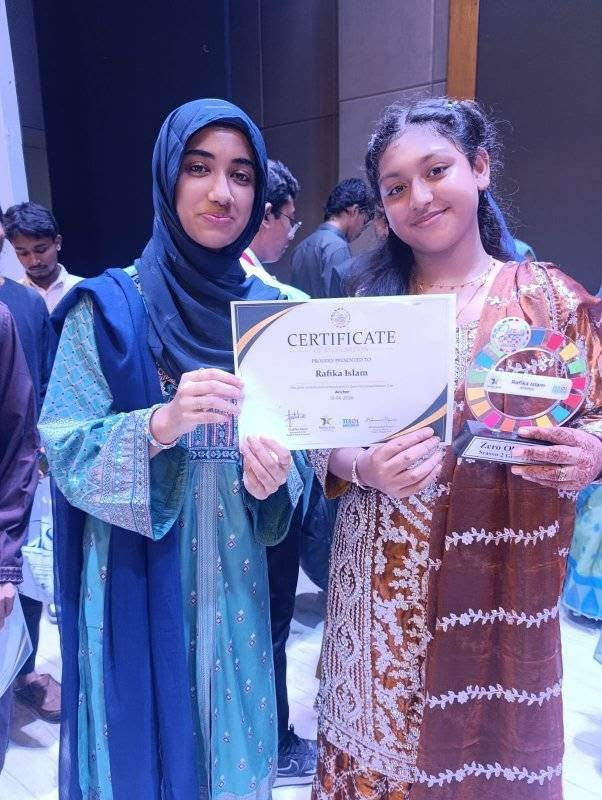
Bale trained in ballet as a child.[14] His first acting role came at eight years old in a commercial for the fabric softener Lenor.[15] He also appeared in a Pac-Man cereal commercial.[16] After his sister was cast in a West End musical, Bale considered taking up acting professionally.[17] He said later he did not find acting appealing but pursued it at the request of those around him because he had no reason not to do so.[18] After participating in school plays, Bale performed opposite Rowan Atkinson in the play The Nerd in the West End in 1984.[12][15] He did not undergo any formal acting training.[12]

With a circus performer mother and a talent manager father, showbiz was in Christian Bale‘s blood. Since Steven Spielberg cast him 1987’s Empire of the Sun, Bale has done it all—starred in a movie musical, endured radical weight gain and loss for his roles, anchored the major Dark Knight franchise, survived a high-profile on-set meltdown, played Jesus, and won an Oscar, to name a few. —Lanford Beard

4.Scarlett Johansson

Even as a 10-year-old in the 1994 comedy North, Scarlett Johannson was showing signs of the husky voice and captivating presence that would make her famous. Spending her teens cultivating her acting talent in films like The Horse Whisperer, Ghost World, and Lost in Translation, Johansson eschewed the pitfalls of early exposure in favor of indie cred. After serving as Woody Allen’s muse for most of her 20s (Match Point, Scoop, Vicky Cristina Barcelona), Johansson sealed her place among the pantheon of geek goddesses with a little arthouse film franchise—you may have heard of it—called The Avengers. Years later, she’d also lead her own superhero film, Black Widow, based on the Marvel Comics character. Johansson has gone on to star in other films unrelated to Marvel, including Lucy (2014), Rough Night (2017), Ghost in the Shell (2017), Jojo Rabbit (2019), and Marriage Story (2019). —Lanford Beard

5. Leonardo DiCaprio

Leonardo DiCaprio was barely 16 when he began popping up on TV, and before he’d even hit 20 there were clear signs of the nuanced work to come. In fact, in 1993, it was impossible not to notice the kid who held his own against a tyrannical Robert De Niro in This Boy’s Life as well as portraying an intellectually disabled boy in What’s Eating Gilbert Grape. Three years later, the post-modern Romeo + Juliet made DiCaprio a budding heartthrob, a job title he virtually redefined following the colossal success of Titanic in 1997. Though DiCaprio spent years avoiding celebrity, he also made inroads with influential directors including Martin Scorsese and Christopher Nolan—and recently Adam McKay with 2021’s Don’t Look Up—landing at the top of their leading-man shortlists. Nice work if you can get it. —Jeff Giles

6. Ryan Gosling

Hey girl. Gosling got his first big break at age 12 on TV’s The Mickey Mouse Club (along with castmates Justin Timberlake, Christina Aguilera, Britney Spears, and Keri Russell). “Those kids were prodigies,” Gosling said to EW in 2007, crediting the Disney show for surrounding him with other young performers he could relate to and instilling discipline. Now he is one of Hollywood’s best actors, beloved by both the mainstream and the indie establishment.

Witness: Two Oscar noms for 2006’s Half Nelson and 2016’s La La Land, and a handful of SAG and Golden Globe awards for projects since then (Crazy Stupid Love, Drive, Blue Valentine, and The Big Short, to name a few). —Chris Nashawaty

7.Emma Watson

Emma Watson grew up in a mega-franchise. After 10 years and eight Harry Potter films, the actress has stepped out of the wand-wielding shadow of precocious witch Hermione Granger to land roles in a diverse group of projects that have stoked passionate fanbases

(The Perks of Being a Wallflower and Beauty and the Beast), paired her with prestige directors (Sofia Coppola‘s The Bling Ring, Darren Aronofsky‘s Noah, and Greta Gerwig‘s Little Women), and defied expectations (a role in the Judd Apatow-ian apocalypse comedy This Is the End). —Lanford Beard

8.Joseph Gordon-Levitt

The script version of his life would have him checking into a reality TV show with other faded child sitcom stars. Gordon-Levitt, who’d popped up with guest turns on TV series from the time he was 7, really hit it big at the awkward age of 15 on the hit show 3rd Rock from the Sun. Grounded by his time at Columbia University, Gordon-Levitt has since proved himself not only a fierce actor but a nifty song-and-dance man in the utterly romantic (500) Days of Summer. While co-starring in blockbusters including Inception, The Dark Knight Rises, and The Trial of Chicago 7, he’s also maintained his indie roots with his two-time Primetime-Emmy-winning, creative cooperative hitRECord and even made his feature film directorial debut with Don Jon, which earned an Independent Spirit Award for Best First Screenplay. Gordon-Levitt continued his on-and-behind-screen skills with writing, directing, and starring in the 2021 Apple TV+ series Mr. Corman. —Karen Valby

9. Neil Patrick Harris

You could argue it began with his Golden Globe-nominated feature film debut in 1988’s Clara’s Heart, but we all knew Neil Patrick Harris as Doogie Howser, M.D.,

the 16-year-old doctor giving his appendicitis-suffering girlfriend Wanda a pelvic exam.

(It’s still traumatizing.) Today, he’s a Broadway vet and Tony winner (Hedwig and the Angry Inch), and an Emmy darling for his work on How I Met Your Mother, his guest role on Glee, and his turns hosting the Tony and Emmy Awards.

In other words, he’s still an overachiever. —Mandi Bierly

10.Mary-Kate and Ashley Olsen

From toddlers to titans. The Olsen twins, who were cast for their joint debut as Full House‘s Michelle Tanner at just 6 months old, have shown that good business sense is the key to longevity.

Though Full House lasted an impressive eight seasons, Mary-Kate and Ashley‘s outside projects—including made-for-TV movies, a self-produced direct-to-video musical mystery series, and products sold in Kmart stores—made them millionaires by the time they entered double digits.

After establishing themselves as serious designers on both low- and high-end price points, the multihyphenates have mostly abandoned acting to focus on running their thriving empire. You got it, dudes. —Lanford Beard

11.Justin Timberlake

Justin Randall Timberlake was born on January 31, 1981, in Memphis, Tennessee,[1] the son of Janet Lynn (Bomar) Harless and Charles Randall Timberlake, a Baptist church choir director.[10][11][12][13] Timberlake has two half-brothers, Jonathan and Stephen, from Charles’ second marriage to Lisa Perry. His half-sister Laura Katherine died shortly after birth in 1997, and is mentioned in his acknowledgments in the album NSYNC as “My Angel in Heaven”.

His family circle includes several musicians;[14] his grandfather introduced him to music from country music artists like Johnny Cash and Willie Nelson.[15] Performing as a child, Timberlake sang country and gospel music: at the age of 11, he appeared on the television show Star Search, performing country songs as “Justin Randall”.[16] By that time, he began listening to rhythm and blues musicians from the 1960s and 70s, such as Al Green, Stevie Wonder and Marvin Gaye, and he had listening sessions with his father of studio albums by the Eagles and Bob Seger.[15]

In 1993 and 1994, he was a Mouseketeer on The All-New Mickey Mouse Club, where his castmates included future girlfriend and singer Britney Spears, future tourmate Christina Aguilera, future bandmate JC Chasez, and future movie actors Ryan Gosling and Keri Russell.[17] Timberlake then recruited Chasez to be in an all-male singing group, put together by Chris Kirkpatrick and financed by boy band manager Lou Pearlman, that eventually became NSYNC.[18]

By the time he reached international acclaim as a member of *NSYNC, Justin Timberlake was a seasoned pro. Timberlake, who got his big break at 12 as a cast member of a now-legendary All New Mickey Mouse Club, he has proven himself to be a jack of all trades, succeeding as a musician, actor, and comic. Dare we say it? Could there be an EGOT in store for the man who brought us “SexyBack”? —Lanford Beard

12.Ron Howard

Born into an acting family in Oklahoma, Howard was The Andy Griffith Show‘s freckle-faced Opie at 6. By 19, he was the star of Happy Days.

But Howard’s interest always lay behind the camera—he shadowed George Lucas on the set of 1973’s American Graffiti and soon thereafter enrolled at USC film school.

“I was disappointed by the scripts I was getting after Graffiti,” he told EW in 1999. “So I had a decision to make.”

Howard chose directing. With two Oscars (for directing and producing 2001’s A Beautiful Mind) on his mantle, and 2021’s Tick, Tick… Boom! earning him a Golden Globe nomination for producing, it’s clear he made the right call. —Chris Nashawaty

13. Johnny Galecki

TV has long been good to Johnny Galecki. Debuting in the small-screen movie Time Out for Dad at age 12, he made his mark with series regular gigs throughout the ’90s, most notably as troubled teen David Healy on Roseanne.

Though he’s been in films as wide-ranging as Prancer, National Lampoon’s Christmas Vacation, Vanilla Sky, and I Know What You Did Last Summer during his time in the biz, TV has always been Galecki’s home, and he’s been reaping major rewards (including an Emmy and Golden Globe nods) for his role as sweet-and-sour physicist Leonard Hofstadter on CBS’s The Big Bang Theory from 2007–2019. —Lanford Beard

14. Drew Barrymore

For a while there, it looked like Barrymore might end up as a child-actor cautionary tale. Heir to a legendary acting dynasty, she was cast in a Puppy Chow commercial at just 11 months old. At 7, the adorable moppet played Gertie in E.T. Her tweens were a soap opera of drugs, alcohol, and virtually no parental supervision—she had her first drink at 9 and was in rehab by 13. She got sober the next year. “I had to figure everything out for myself,” she told People in 2004. Barrymore established herself as one of the most bankable—and dependable—actresses in Hollywood with hits including Never Been Kissed and 50 First Dates. She’s also become a formidable force beyond the camera, producing movies through her company Flower Films, selling her children’s home decor line, authoring her memoir and cookbook, and developing her cruelty-free makeup line. However, the camera adores Barrymore so much that she now hosts a syndicated talk show titled The Drew Barrymore Show, which earned her six Daytime Emmy nods in 2022.

15. Elizabeth Taylor

Though Elizabeth Taylor‘s mother fought tooth-and-nail against her violet-eyed daughter’s inevitable rise to celebrity, li’l Liz found encouragement from friends like gossip columnist Hedda Hopper and high-powered admirers like studio chief Louis B. Mayer.

Mayer introduced Taylor, 9, to the world with 1942’s There’s One Born Every Minute, but it was her starring role in National Velvet three years later that sealed her fate.

The next several decades were marked mostly by romantic tumult and tabloid drama. Still, two Oscar wins (of five nominations), several successful fragrances, and a commitment to activism ensured Taylor, who passed away in 2011, transcended sensation status and established herself as an icon.

16. Jason Bateman

Bateman made his debut at 12 on Little House on the Prairie.

His father was a TV director, and both he (Silver Spoons, The Hogan Family) and his sister, Justine (Family Ties), were household names before they could drive.

Bateman admits to some lost years in the ’90s, but his persistence paid off (Arrested Development, Horrible Bosses, Zootopia, Ozark).

“I want to be around for a long time,” he told EW in 2007. “Now that I’ve got another flash of relevancy, I don’t want to screw it up.”

17.Kenan Thompson

At 15, Kenan Thompson skated straight from school plays into the sequel of Disney’s ice hockey flick The Mighty Ducks.

He soon caught the eye of producers and was cast in Nickelodeon’s Saturday-night sketch show for teens, All That.

Good Burger (the movie spinoff of a popular skit) and Kenan & Kel, the show he shared with fellow All That breakout Kel Mitchell, made Thompson a cult favorite for ’90s nostalgics. Returning to the sketch-show genre, he joined the cast of Saturday Night Live in 2003.

18. Anna Paquin

Anna Hélène Paquin is a New Zealandian actress. Born  born on 24 July 1982 at Winnipeg,Manitoba, in Canada and raised in Wellington,The young girl amazed film critics and viewers with her talent in the drama The Piano at the age of 10. Paquin made her acting debut portraying Flora McGrath in the romantic drama film The Piano (1993), for which she won the Academy Award for Best Supporting Actress at age 11, making her the second-youngest winner in Oscar history. As a child actress, she received multiple Young Artist Award nominations for her roles in Fly Away Home (1996), The Member of the Wedding (1997), and A Walk on the Moon (1999), and a Screen Actors Guild Award nomination for appearing in Cameron Crowe’s comedy-drama film Almost Famous (2000). She also appeared in the films Jane Eyre (1996) and Amistad (1997).

At 11, Anna Paquin won the most prestigious Oscar Award. The actress has shown her skills not only on the screen but also on the theater stage, although she does not have special education. As a wide-eyed 11-year-old, Paquin became the second youngest Oscar winner in history, taking home Best Supporting Actress for her role 1993’s The Piano. Working steadily in arthouse films (Hurlyburly), blockbusters (the X-Men series), and TV, she’s now a Golden Globe winner for her performance as telepathic waitress Sookie Stackhouse on HBO’s True Blood and plays a leading character in Amazon Prime Video’s Flack.

19.Mayim Bialik

Mayim Bialik tap-danced her way into America’s hearts playing the younger version of Bette Midler’s character in 1988’s Beaches. But, after a few guest bookings on ’80s series Beauty and the Beast and The Facts of Life, Bialik became a household name at 15 when she scored the title role in the sitcom Blossom. After five seasons, she closed the door on a closet full of wacky hats to pursue a Ph.D. in neuroscience. With a steady stream of voicework and recurring roles (Curb Your Enthusiasm, The Secret Life of the American Teenager), she was never really out of the spotlight. But it would be her portrayal of the sexually ravenous neurobiologist Amy Farrah Fowler that would bring Bialik back with a Big Bang. A case of art imitating life to brilliant effect, “Blossom” had officially grown up when she scored four Best Supporting Actress Emmy nods.

20. Peter Billingsley

Billingsley‘s baby blues helped him to his first gig, a Geritol commercial with Betty Buckley, at age 2. Ten years later, he got his big break by being warned he’d shoot one of those bright eyes out in the cult favorite A Christmas Story. Billingsley ultimately set his sights beyond the spotlight, teaming up with Hollywood buddies Jon Favreau and Vince Vaughn to produce, direct, and sometimes costar in projects including Iron Man, The Break-Up, Couples Retreat, and Spider-Man: Far From Home.

Two producing projects have brought Billingsley’s career full circle: In 2012, he brought a musical version of A Christmas Story to Broadway, and in 2022, it was announced that Billingsley will produce—and, of course, star in—A Christmas Story sequel following Ralphie in his adult years.

21. Elijah Wood

Between child modeling gigs, an adorable appearance in the David Fincher-directed music video for Paula Abdul‘s “Forever Your Girl,” and well-received supporting roles in several films, Elijah Wood had built a full-blown résumé while most of us were learning to tie our shoes.

Taking part in a mix of indie projects, music videos, and popcorn flicks during his adolescence, Wood was just 18 when he booked the role that would keep giving: Frodo Baggins in Peter Jackson’s Lord of the Rings series.

With six epics under his belt, including The Hobbit trilogy, Wood never had to work again…but he sure did by starring in films like 2019’s Come to Daddy and 2021’s No Man of God, and we’re sure there’s more to come.

22. Jodie Foster

At 3, Foster was the Coppertone kid. By 6, she was a regular on TV. And by 14, she was nominated for an Oscar for Taxi Driver.

Foster left Tinseltown to attend Yale and later returned to acting feeling more centered. By age 29, she’d won Best Actress Oscars for The Accused and The Silence of the Lambs, and directed her first film, Little Man Tate.

“Everybody tells you as a child actor that by the time you’re 18, it’ll be over,” she told EW in 2007. “My mom got me…prepared for that…. My goal [was] to be in this for a really long time.” Foster has done just that, being named the recipient of the Golden Globes’ Cecil B. DeMille Award in 2013 and winning her third Golden Globe Award for Best Supporting Actress in 2021’s The Mauritanian.

23. Fred Savage

The kid from The Princess Bride got into acting at 9 years old. Six seasons as Kevin Arnold on The Wonder Years landed Fred Savage Emmy and Golden Globe nods, not to mention cemented his status as a Hollywood insider.

In the years since then, he’s been getting by with a little help from his friends—not to mention plenty of behind-the-scenes skill—as an in-demand, DGA-nominated director for shows ranging from Modern Family to Wizards of Waverly Place, The Connersto The Wonder Years’ 2021 reboot, which he was unfortunately fired from due to “inappropriate conduct.”

24. Jeff Bridges

Nepotism isn’t always a bad thing. Jeff Bridges booked his first role at 4 months old, thanks to dad Lloyd Bridges‘ involvement in the 1950 film The Company She Keeps. He and old brother Beau both appeared throughout their childhood in their dad’s series Sea Hunt and The Lloyd Bridges Show.

The training led him to early success as he garnered a Best Supporting Actor nod for 1971’s The Last Picture Show. Consistently entertaining in films running the gamut from Tron to The Big Lebowski, and The Giver to Bad Times at the El Royale, Bridges has racked up a total of seven Oscar nominations in his expansive career, ultimately taking home the trophy in 2010 for Crazy Heart.

25.Christina Ricci

After making her big screen debut as Cher‘s daughter in Mermaids, Ricci became the adolescent It Girl through her roles in The Addams Family, Casper, and Now and Then. By her late teens, she successfully transitioned into more provocative material, earning a Golden Globe nomination for playing Dede in The Opposite of Sex. Steadily working, Ricci has continued to fend off typecasting in films and TV series including Monstrous and Yellowjackets. However,—cue the finger snaps!—Ricci is officially returning to Charles Addams’ grim universe and joining Netflix’s Tim Burton-directed series, Wednesday, in a new undisclosed role.

Interview of Marlow Barkley

0

13-year-old Marlow Barkley was born on November 18, 2008 in California. From a young age, she began acting in a theater in Monrovia, California, which led to work in national television commercials, and gradually made her way into Hollywood movies. She is quite popular on social media Instagram. This year, two of her movie has released made by Hollywood, one of which is “Spirited” and the other is “Slumberland”. Last November 18,2022 on her 13th birthday, her new movie “Slumberland” was released on Netflix.

Question: Greetings from Kachikachar Asar. When we contacted you, we didn’t think you would give us time. Did you know about Bangladesh before? 

Marlow Barkley: Thank you. I was busy with the release of a new movie starring me and my studies were also a bit stressful. As a result, I could not reply on time. Moreover, being a teenager according to the rules, parents take care of everything. They were quite surprised when they saw that a Bengali newspaper from Bangladesh would interview me. I was just as happy as they were to hear that a popular newspaper in such a distant country would interview me. It is an honor for me. Before this I have known about Bangladesh in World History but not that much. 

Question: Right now your new movie “Slumberland” is trending on Netflix. And the interesting thing is that the movie was released on your birthday! We want to know your feelings. 

Marlow Barkley: The best present for my 13th birthday was the release of the movie. This is a dream movie. This movie became a huge hit worldwide. Nothing is more exciting than a movie of mine released on a birthday. The experience of watching the movie with the entire family, parents, is truly enchanting. Friends also raved about the movie. 

Question: Do you remember when you wanted to be an actress? And what was the main reason for wanting to be an actress? Did you want to be an actress after watching someone’s performance? 

Marlow Barkley: I love this question. I remember very well that I used to sing with my sister. I didn’t think I would be an actress then. At such a time an agent contacted us for an audition. It was an audition for the Hollywood movie “Single Parents”. Me and my sister went. I didn’t think that they would choose me. But surprisingly they chose me. It was the first big project of my life. It took two years to complete. 

Question: What is your favorite musical show? What musical would you like to be in on Broadway? 

Marlow Barkley: I would love to do Beetlejuice. I think it would be so much fun to play Lydia—any role in Beetlejuice would be amazing because it’s such a fun musical show.

Question: Now we want to know about working on the Christmas story based movie “Spirited”. It is also a musical movie. How interesting is it to work in such a movie? 

Marlow Barkley: I’ve actually been a fan of Christmas movies since I was a kid. It is also a musical movie. When I saw that world-renowned musicians like Will Ferrell and Ryan Reynolds were working in this movie, I was naturally intrigued. Because I know that Christmas related movies are watched by the whole family and Ryan and Will Ferrell have a lot of fans around the world so they can be easily identified me. It’s definitely great experience working with them. Then I read the script and said to myself “Oh this is a great story, I have to act in this story. Specially when I saw that I have to play two different characters”. 

Question: We want to know the experience of working with adults on shooting sets. Are there any difficulties in working with adults? 

Marlow Barkley: To tell you the truth, I like acting with older people more than younger ones. Because of this I matured very quickly. Everyone calls me a kid while acting with kids but not when I work with adults because I’m the only kid on the set. I can blend in with them very well. I think acting with adults is easier as a teenager than acting with younger ones. 

Question: The plot of dealing with loss is very close in your films “Spirited” and “Slumberland”. Although your character is different and you are seen most of the time in the movie. Which movie do you like most and what is your opinion about working on multiple movies with such a plot? 

Marlow Barkley: I watched both movies intently upon release. I specially liked the movie Slumberland. It was a great experience to act in this movie. The exciting scenes in the movie that everyone is getting excited about are actually shot indoors, that is, on the green screen! VFX has been used in such a way that I was shocked to see my own scenes in the movie. Basically both the movies are funny. But I like Slumberland most. The character of this movie was challenging. I really like to work in this kind of movies. 

Question: I know Chris O’Dowd, Jason Mamoa and you were first cast in the movie. Did you practice mutual understanding in that case? That is called grooming.

Marlow Barkley: I did some work on getting along with Jason but not with Chris. Chris and I shot live on set without any practice though which was a bit unbelievable. But I didn’t think the scenes would be so good without some practice. And I had a Zoom meeting with Jason. And to be honest I was very nervous at the beginning of the Zoom meeting because it was my first meeting with him. But the best people are the ones who helped me adapt very easily. We had a lot of fun during the shoot because in between role plays his dog would call out and he would drop everything and go ahead to stop him. All my stress melts away instantly while acting with him. I learned a lot from him. 

Question: We saw you get into character in the movie Slumberland. We didn’t think it was a movie. It felt like actually seeing Nemo in a lighthouse in the ocean. Why choose such a complex character? 

Marlow Barkley: I auditioned for Slumberland first. I was allowed to read the script. I was so impressed by the script that I told director Francis Lawrence during the audition that I would watch the movie even if I didn’t get the role or was selected. Because I found that I really connected with the character Nemo, specially the events in hier life touched me. Later when I played this character it felt like it was my own life story. I felt like I was really traveling with Nemo in a strange world. The takeaway I got from this movie for real life is to be patient. And be aware of your surroundings. 

Question: We saw you stay underwater for a long time in the movie Slumberland. Guess it was all CGI and special effects. right or not? How does it feel to act in such a fictional story? 

Marlow Barkley: It was pretty insane. Some parts were terrifying. Some parts were thrilling. I think I was so terrified that it became thrilling for some of the scenes. But it has always been my dream to do stunts. So getting to do a lot of my own stunts was really cool. We filmed a lot in a pool, so I was underwater for water scenes.

Question: We are in awe of your performance. This is the magic of cinema. You have a lot of acting experience now. You are a multi talented actor. Want to know what kind of movie you want to act next? What kind of character do you want? 

Marlow Barkley: I really want to be in a horror movie. I’m a scaredy-cat, and I cannot watch horror movies. They freak me out unless I’m with a good group of people. But I would love, love, love to be in a horror movie. I want one that’s like super graphic, a lot of fun makeup. I want a cool fight scene where my nose is bleeding and I’ve got this big injury or I play a monster or I’m possessed. That would be so much fun because I’d get to see what it’s like behind the scenes. … In Slumberland, there was not a lot of big, crazy, bloody action/scary stuff, so it’d be cool to see how horror movies work.

Question: Since you said about make-up, let me ask you about this. We saw you at the Slumberland movie premiere in Los Angeles and you are a very beautiful and sweet girl. Would you say that you are very conscious about beauty and fashion? 

Marlow Barkley: Maybe a year or two ago, I would have definitely said I’m more of a makeup person. I always say every time I do a fitting [that] the me two years ago would be looking at the outfits that I’m wearing now and be surprised—like, “Are we sure? Are we actually gonna wear this, or are we just messing around?”—because I’m wearing crazy dresses. I would not have worn that [premiere look] a couple of years ago. So now, I’m more into fashion. But every time I get to have a little glam moment, I get very excited because I just love the process and seeing the before and then the gorgeous after.

Question: We actually saw you as a 12-year-old kid as Nemo in Slumberland. But at the premiere show of the movie, you felt quite grown up. Did you want to expose yourself to the press as a relatively big one? How do you like such a colorful moment? 

Marlow Barkley: I’m a teenager. I’m still 13, I’m still young, but I’m not too young. I can be mature, and I’d like to show people that. Lately, I’ve been more fascinated by bright colors and big, bold statements because I think that it expresses feelings and emotions that you can’t really say.

Question: So what is your next goal? When will you return to work? 

Marlow Barkley: Well, I have a part in a new show called Tiny Beautiful Things. I am in a couple of episodes where I play the younger version of Kathryn Hahn’s character. My friends can’t watch it because it’s definitely not a kid’s show. But it’s fun to be in a show that’s not meant for kids, so I’m excited to see how that goes. Plus, I’ve been doing auditions, and my fingers are crossed for a Slumberland 2—but you didn’t hear it from me!

Kachikachar Asar: Thanks Marlo. I hope to see you in more amazing movies in the future.

Mia Monzidelis an 11-year-old entrepreneur

0
Mia Monzidelis
Mia Monzidelis

Meet Bellmorite Mia Monzidelis an 11-year-old entrepreneur with a passion for philanthropy. At age 5, she envisioned a new toy — now known as the Power Pony — that combines the power of a Hoverboard with the warmth of a plush toy. Her creation has been on the market since August, and Mia, who loves to give back to those in need, is set to be honored by the Family and Children’s Association later this month at the organization’s inaugural Women in Philanthropy breakfast.

The Family and Children’s Association is one of Long Island’s largest human services agencies, offering help to the area’s most vulnerable children, families and seniors. According to Craig Pinto, FCA’s marketing director, the organization served 34,000 people last year.

Last December, Mia, a fifth-grader at Shore Road Elementary School, donated $5,000 to bolster FCA’s annual appeal. The donated funds were spread across all of FCA’s divisions.

“I am always trying to help children and families,” Mia told the Herald.

“I have always been giving back since I was 3 years old. I chose FCA so I could give back where I live.”

Her donation to FCA was made possible, of course, by the Power Pony. “I’ve always had a passion for horses,” Mia explained. “I would always ask my parents, ‘Why can’t we put a horse in the backyard?’”

When she was 5, she said, she was given a Hoverboard — a two-wheeled, motorized toy that moves the user around when weight is applied to it — for Christmas. In her garage one night, she put a plush horse on top of the device, sat down, and felt like she was riding a real horse as it moved around.

“I called my parents into the garage and they said, ‘Oh my god, this is amazing, Mia!’” she recounted.

“She’s one of a kind,” her mother, Christine Monzidelis said. “The day she came riding out with this invention — it was just incredible. She’s very smart, very creative.”

With the help of her mother and her father, Christopher, Mia worked with designers, manufacturers and patent attorneys to bring the Power Pony to life, Christine said. Her daughter, she added, was involved every step of the way.

“She worked so close with her dad to bring this to life,” Christine said.

“At the age that she is, to see her start this and build it to what it is — it’s just amazing to watch. She can verbalize exactly what she wants — her communication has been critical throughout this.”

The Power Pony, which looks like a large, plush horse on wheels, has a saddle that is 20 inches off the floor. Its front two wheels are connected to a flat surface where the user places her feet. To move the pony, she must push her feet forward or backward on the flat surface, and steer right or left while holding onto knobs attached to the pony’s head.

Offered in four styles — Champ, Princess, Crystal and Hero — the toy’s motor will run for 45 to 60 minutes at full charge.

Slowed by production delays due to the coronavirus pandemic, the Power Pony finally hit the market last summer, and is currently available for purchase exclusively on its website, powerpony.com.

At FCA’s Women in Philanthropy breakfast on March 31, Mia will be honored alongside fellow philanthropists — adults. “It feels amazing, because I’m an 11-year-old,” she said of the recognition. “A lot of people start inventing stuff when they’re a little older — it’s just really cool.”

Reviews of the toy thus far have been great, she said. “We have an Instagram account called thepowerpony, and every day we post kids and parents using it,” she said. “It makes me very happy, because it took a long time for me to get it together, and it’s pleasing for me to see people enjoy it.”

She wants to continue to spread her message of why giving back to others is so important. “It feels amazing — any chance you get to give back is a big chance,” she said. “I’m going to give back probably till the day I die. It just fills my heart, and it just makes me so happy.”

The girl who planted 1.3 million trees at the age of thirteen

0

Age can never be a barrier for those who want to change the world. They are indomitable, courageous, and fearless fighters. A determination to never give up lies deep within their hearts. That is why nothing can hold them back. They observe their surroundings carefully and then realize that the world and the environment are not the way they hope them to be. So they dream of a new world. And no one else will build that world for them—they will build it themselves, leaving behind a beautiful, dream-filled planet for future generations.

Throughout history, such people have been born time and again. Their number is not small. Many have done extraordinary things even before stepping from childhood into adolescence—achievements that made the whole world recognize and remember them. This is the story of one such young girl. Her name is Elian Wanjiku Kliston.

Elian loves cycling around Hillview Estate in Nairobi, Kenya. She dreams of covering the world in green and wants to become a worthy successor of Wangari Maathai. In fact, she has already managed to introduce herself on the global stage as Maathai’s successor. Elian is just 13 years old, born and raised in Kenya. At the age of only eight, she received the “Eco Warrior” award from the Government of Kenya and was recognized as the country’s youngest Mashujaa (national hero). She began planting trees at the age of four, and by the time she turned thirteen, the number of trees she had planted reached an astonishing 1.3 million. In 2021, at just ten years old, she was awarded the Paul Harris Fellowship. Elian works tirelessly for tree plantation and to stop plastic pollution. She believes that by 2050, about 70% of the world’s population will live in cities, and therefore, if we want healthy and beautiful lives, our cities must be green and environmentally sound.

When Elian was only four years old and studying in kindergarten, her class was assigned a project on heroes. While working on that project, she first learned about Wangari Maathai, Africa’s first female Nobel laureate and a world-renowned Kenyan environmentalist. The more little Elian learned about Maathai’s work, the more fascinated she became. A deep love and admiration for Maathai grew in her young heart. She kept wishing, “If only I could be like her.” She decided to make Maathai her role model.

Later, she learned that her idol was no longer alive. That realization sparked a powerful thought in Elian’s mind—then I will become the leader of this work myself. Learning about Maathai’s life nurtured her love for trees and inspired her to engage in tree plantation. She had heard many stories about Maathai planting mango trees, and Elian herself loved mangoes. She often joked that she was born to eat mangoes. The day she completed her kindergarten project and returned home, she planted her very first tree—a lemon tree. That night, hugging her mother, she softly asked if she could be taken to Karura Forest, a magnificent forest in Nairobi. After repeated requests, her mother finally agreed.

When Elian visited the forest, she was overwhelmed with wonder. As far as the eye could see, there were trees of all sizes. She felt that this was the kind of green world that must be created. Nearby, there was a small shop selling saplings. Elian asked her mother to buy a few. They planted them the same day. From that moment on, her love for tree plantation grew stronger. She began planting trees in nearby schools, finding immense joy in the process. She felt as if the trees were whispering to her.

A few years later, with her mother’s support, Elian formed an organization with young people called “Children With Nature.” The goal of the organization was to connect children and teenagers who loved trees and dreamed of a green planet—working together as a team. They decided to ensure climate security, reduce global warming, and align their activities with the Sustainable Development Goals (SDGs) as well as Kenya Vision 2030. The organization mainly includes children who want to protect the planet and leave behind a safe and beautiful world for future generations.

Elian and her team started visiting schools to talk to children about why planting trees is important and how plastic pollution damages the environment. They explained how these problems can be addressed. So far, they have visited 79 schools, distributing tree seeds for plantation. They have also gifted seeds to hotels and parks to encourage environmental change. Funding such activities required a lot of money. Elian began with her own pocket money, savings, and some support from her mother. Later, many people, inspired by her work, began donating money, seeds, and saplings, accelerating her tree-planting mission.

Born in Nairobi, Elian never imagined her work would spread so widely. Today, her organization’s tree plantation program extends beyond Kenya and across Africa—and even into the United States. While many people plant trees, Elian’s efforts through her organization have turned into a continent-wide movement. From age four to thirteen, over nine years, she and her organization have planted 1.3 million trees.

Elian calls upon children and teenagers worldwide to join this movement for a clean, green planet. Anyone interested can visit their official website, share what they want to do, how they want to do it, and how they wish to contribute.

Elian’s mission does not stop at Nairobi. Inspired by Wangari Maathai, she aims to spread greening efforts globally. Her current goal is to plant trees across 8,000 kilometers of the Sahel Desert, restore 100 million hectares of degraded land by 2030, and recycle 250 million tons of carbon. She also plans to plant bamboo to help clean rivers and generate income to sustain her work, along with planting acacia trees to provide shade. This year alone, she aims to plant 1 million trees in the Sahel.

Recently, Kenya’s Cabinet Secretary for Environment and Forestry, Keriako Tobiko, appointed Elian as Co-Chair of the Michuki Park Urban Green Space Project. On the park’s inauguration day, Elian personally guided President Uhuru Muigai Kenyatta around the park. Her responsibility in the project is to ensure greenery while creating spaces where children can play and learn simultaneously.

Elian believes unchecked tree cutting for human settlements is harming the environment. She advocates that trees should only be cut when absolutely necessary—and even then, more trees must be planted in return. She recalls being heartbroken when the largest tree near her school was cut down to make space for a building. Even then, she understood why it was done, but she worried about people’s lack of awareness regarding environmental risks.

Elian feels adults should take greater responsibility for protecting the environment, as they understand the consequences better. Her mother, though shy and reserved, plays a vital role in supporting her work financially.

Despite facing criticism and discouraging comments in new schools, Elian never gave up. She believes development is not just about wide roads, tall buildings, and luxury cars, but also about reducing air and water pollution and lowering child mortality due to malnutrition. Environmental destruction may not show immediate consequences, but its devastating effects will be felt when it is too late to reverse them.

Elian urges young people not to lose hope. Start small—plant a seed from a fruit you eat. Change begins with small steps, just like a child learning to walk. Convince your parents, seek support, and eventually influence governments, because they have land and power to make large-scale change.

Recently, Elian collaborated with football star David Beckham on cholera awareness campaigns. As Kenya’s youngest environmentalist, she continues working relentlessly to raise awareness among children and teenagers. World-famous blogger Nas Daily has featured her story, and so far, Elian has written three books.

Source: The Daily Khoborer Kagoj

Read Original Post: তের বছর বয়সে যে মেয়েটি ১৩ লাখ গাছ লাগিয়েছে

This woman believes she can say whatever she wants 

0

Members of the opposition bench gathered on Thursday morning to denounce the Home Secretary’s use of “inflammatory” rhetoric about this weekend’s Palestine march.
Unfortunately, Home Minister Surela Braverman in particular—sent their underlings to respond to these inquiries to evade ongoing scrutiny. Compared to Surela Braverman, we’ve seen more of Chris Philip and Robert Jenrick in Parliament.

 This woman believes she can say whatever she wants and get away with it since she lives in a bubble. 

Nobody that would run such much mouth to please their Lord is someone I have never seen. We would like it if Braverman would refrain from inciting violence at peace marches to achieve her own political goals. It’s blatantly evident and reckless. 

This is blatantly careless. She ought to stay out of politics. utterly insane and ill-prepared
Is Braverman seeing how far she can go without facing charges for anything these days, given the Home Secretary’s best efforts to sow discord and animosity among communities? If yes, why? Was suing her what did she expect? The fact that she has violated human rights to this extent is quite unexpected.

“Now I’m going to do something that is one of the reasons you’re listening to this programme…”

Home Secretary S is described by James O’Brien as having a “mentor,” and O’Brien delves well into the Conservative MP John Hayes.

According to James, there is a complex media landscape, which has resulted in the material being “publicly available but not very widely reported.”

..It’s blatantly evident and reckless. Politics is not the place for her. Completely insane and utterly sick
Is Braverman testinginerman while the Home Secretary tries his hardest to sow discord and hostility among communities?

According to James, the evidence is “publicly available but not very widely reported” because of the convoluted media environment that she feels permits the uncontested promotion of anti-Semitic conspiracy theories like “cultural Marxism.”
Fascism is a mentality rather than a political doctrine.

Observing these “leaders,” I can personally attest to their mental health problems. How can you treat people in this way without feeling hurt on the inside? I’m sad about Zuela.

She is the epitome of a psychopath, lacking empathy and not likely to experience regret.

She embodies the definition of a psychopath as described by the dictionary: she lacks empathy and is unlikely to experience regret for whatever harm she may have inflicted.

She ought to be dismissed right away for making one of the most offensive remarks about “hateful marchers” in recent political discourse.
Suella ought to keep him out of polite society in addition to removing him from his government position.

written by: Shaheedul Islam

DPS STS Junior Karatekas shine on the international stage!

0

Under Coach Liton’s guidance, they excelled at the 2nd International Karate Championship in Jashore competing against participants from Bangladesh, Nepal, India, Japan, Bhutan, and Sri Lanka!

🥇 ALEEZA ADNAN: 1 Gold, 1 Bronze
🥇 NAMIRAH BORNO: 1 Gold
🥈 MARIAM RAHMAN: 1 Silver
🥉 HAFSA RAHMAN: 1 Bronze
🥉 AMIRA ADNAN: 1 Bronze
🥉 SHEHREEN SHAMIM: 1 Bronze

Congrats to these young stars!

#KarateChamps #DPSSTSAchiever #DPSSTSDhaka

12 Years old girl sold bread at school to buy an iPhone

0

Twelve-year-old Bianca Jemi Wariyava, through six weeks of hard work, was able to buy herself an iPhone 14. But how? Just by selling homemade bread, Khaleej Times reported. 

Bianca, who is in seventh grade and lives in Dubai, wanted a new phone but her parents were unable to buy her one under the current circumstances. However, an idea came to her in February and she decided to work on it. 

Her Filipina mother Gemini Wariyava once baked her some bread for school for lunch which she shared with her friends. “They loved the taste and fluffiness of the bread. They loved it so much they asked me to bring some again the next day,” Bianca told Khaleej Times.

One of her friends gave her the idea of selling the bread instead of giving them for free and that’s when Bianca realised she could buy herself a new phone with the money. 

Bianca’s parents are expert bakers and have worked in five-star hotels in Dubai and when they learned that their daughter was planning on selling bread, they supported her. Her father gave her Dh100 and her mother gave her baking expertise.

“She had been helping us bake at our pizza parlour when she was five years old. She has been interested in baking since then,” said Gemini.

On the first day, Bianca sold only four pieces but as time passed, she was selling over 60 pieces a day on average. She not only bakes plain flavours, but also others like plain soft rolls, oreo, ube, cheese, turkey salami with cheese, and chicken franks. 

And just like that, Bianca had collected nearly Dh3,000, enough to buy an iPhone 14. 

The little girl shared that she was at times made fun of in school. 

“A few students looked down on me. They spoke among themselves, saying ‘why can’t she ask her parents directly for a phone rather than selling bread?’ They even questioned our financial status,” Bianca said. 

Bianca, a seventh-grader in Dubai, desired a new phone but her parents were unable to afford one at the time due to financial constraints. She had a fantastic insight in February.


She once shared some bread she had baked with her classmates and packed in her lunchbox by her Filipina mother Gemini Wariyava. “They loved the taste and fluffiness of the bread. They loved it so much they asked me to bring some again the next day,” Bianca told Bianca sold four pieces of bread for Dh10, and on the first day of her venture, she received only two orders, but she kept going.

The next thing she knew, she was selling over 60 pieces a day on average. “It’s not just plain bread I baked. I have flavours like plain soft roll, oreo, ube, cheese, turkey salami with cheese, and chicken franks — which my teachers and schoolmates fell in love with,” said the seventh-grader.

Then one of her pals gave her an idea: Instead of giving them away for free, why not sell them? “And that was when I realised I could buy iPhone 14 with the money I could earn,” she said.

Both of Bianca’s parents are skilled bakers who have experience working in Dubai’s five-star hotels. She really watched them bake in the kitchen as a child. They backed her wholeheartedly when they found out about her plan to market bread. Her mother donated her baking skills, while her Indian father Jemibhai Wariyava gave her the starting capital of Dh100.


After doing her homework in the evenings, she would bake. She would record the orders and only prepare those that were on her list. “Bread is a very fast-moving commodity, and with the secret recipe of my parents, I had fast turnovers,” she said. By the second week of March, she had enough money to buy the iPhone 14 worth nearly Dh3,000.

However, this didn’t stop her and Bianca’s next goal is to open her own bakery and coffee shop. 

Read : Faatiha Aayat mesmerises world with her talents