
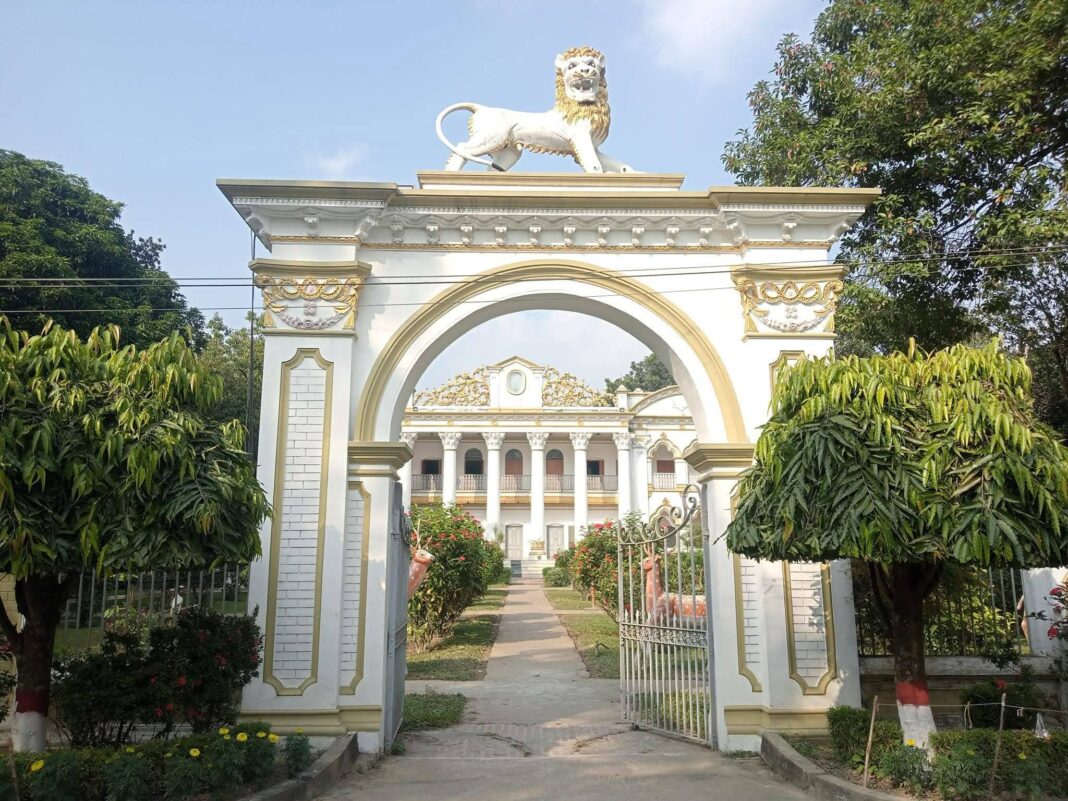

Long before modern Bangladesh took shape, wealthy zamindar families built magnificent residences that reflected their power, prosperity, and refined taste. Among the most spectacular of these historic estates is Mohera Zamindar Bari, located in the tranquil village of Mahera in Mirzapur Upazila of Tangail District. Built in the late nineteenth century, the sprawling complex continues to captivate visitors with its stately mansions, elegant gardens, and timeless architectural beauty.
Often celebrated as the “White House of Bengal,” Mohera Zamindar Bari owes its nickname to its striking white buildings, grand colonial-style design, and carefully maintained surroundings. Today, the estate serves as the Bangladesh Police Training Centre (BPTC), yet it remains one of the country’s most popular heritage attractions, offering visitors a rare opportunity to experience the legacy of Bengal’s zamindar era in an exceptionally well-preserved setting.
Quick Facts
Official Name: Mohera Zamindar Bari
Bengali Name: মহেরা জমিদার বাড়ি
Nickname: The White House of Bengal
Location: Mohera Village, Mirzapur Upazila, Tangail District, Bangladesh
Distance from Tangail Town: Approximately 18 km
Established: Around 1890
Founders: Zamindars Kalicharan Saha and Ananda Saha
Current Use: Bangladesh Police Training Centre (BPTC)
Open to Visitors: Yes
A Legacy of the Saha Zamindars
The story of Mohera Zamindar Bari dates back to the late nineteenth century when Bengal was under British colonial rule.
The estate was established around 1890 by the influential zamindar brothers Kalicharan Saha and Ananda Saha, members of a wealthy Hindu landowning family. During the British era, zamindars collected land revenue, managed extensive estates, and often built magnificent residences that reflected their wealth and prestige.
Rather than constructing a single palace, the Saha family developed an impressive estate consisting of multiple mansions, administrative buildings, gardens, ponds, and courtyards. Together, these structures created one of the most elegant zamindar complexes in eastern Bengal.

Why Is It Called the “White House of Bengal”?
Visitors often wonder why Mohera Zamindar Bari is popularly known as the “White House of Bengal.”
The answer becomes obvious the moment one enters the estate.
Its brilliant white buildings, symmetrical façades, majestic columns, wide staircases, and beautifully landscaped grounds evoke comparisons with the famous White House in Washington, D.C. Although the architecture is not identical, the estate’s stately appearance and graceful proportions have earned it this affectionate nickname among locals and tourists alike.
Today, the title has become an important part of the estate’s identity and tourism appeal.
An Architectural Masterpiece
Mohera Zamindar Bari is widely regarded as one of the finest examples of late colonial architecture in Bangladesh.
The estate showcases a harmonious blend of:
- European neoclassical architecture
- Colonial design elements
- Traditional Bengali craftsmanship
- Decorative arches
- Ornamental balconies
- Elegant verandas
- Classical columns
- High ceilings
- Intricate plasterwork
Unlike many abandoned zamindar houses across Bangladesh, Mohera remains remarkably well preserved, allowing visitors to appreciate the beauty of its original architectural design.
The Four Grand Lodges
The estate is famous for its four magnificent residential buildings, each possessing its own unique architectural character.
Chowdhury Lodge
Perhaps the most photographed building in the complex, Chowdhury Lodge impresses visitors with its elegant façade, grand entrance, and refined colonial architecture. It serves as the visual centerpiece of the estate.
Ananda Lodge
Named after Ananda Saha, this graceful mansion reflects the refined lifestyle of Bengal’s aristocracy. Spacious verandas, decorative windows, and balanced proportions make it one of the estate’s architectural highlights.
Maharaja Lodge
As its name suggests, Maharaja Lodge exudes royal elegance. Its imposing design and decorative features symbolize the prestige enjoyed by the zamindar family during the height of their influence.
Kalicharan Lodge
Dedicated to founder Kalicharan Saha, this beautiful building demonstrates the family’s appreciation for European-inspired architecture while incorporating local craftsmanship.
More Than Just Palaces
Mohera Zamindar Bari is not limited to its four famous lodges.
The estate also includes several historically significant buildings, such as:
- Naib Bhaban (Manager’s Residence)
- Kachari Bhaban (Administrative Office)
- Rani Bhaban (Women’s Residence)
- Service quarters
- Courtyards
- Gardens
- Ornamental gateways
Together, these structures illustrate how a large zamindari functioned as both a residence and an administrative center.
Three Beautiful Ponds
Adding to the estate’s charm are three large ponds (dighis) surrounded by mature trees and lush greenery.
These ponds once served practical purposes such as water supply and household use, while also enhancing the estate’s landscape.
Today they create a peaceful atmosphere where visitors can enjoy reflections of the historic buildings, making them favourite spots for photography and relaxation.
From Zamindar Estate to Police Training Centre
Following the abolition of the zamindari system after the Partition of the Indian subcontinent, the estate gradually lost its original function.
Rather than allowing the magnificent complex to fall into ruin, the Government of Bangladesh later converted it into the Bangladesh Police Training Centre (BPTC).
The adaptation has played a significant role in preserving the historic buildings through regular maintenance and security.
Unlike many abandoned zamindar mansions across the country, Mohera Zamindar Bari remains in excellent condition thanks to its continued institutional use.

A Popular Tourist Destination
Although the estate functions as a police training centre, it welcomes visitors throughout much of the year.
Thousands of tourists visit to admire:
- Historic architecture
- Beautiful gardens
- Colonial-era buildings
- Scenic ponds
- Peaceful environment
- Photography opportunities
Families, students, history enthusiasts, architecture lovers, and photographers all find Mohera Zamindar Bari an ideal destination for a day trip.
Photography Paradise
Mohera Zamindar Bari has become one of the most photographed heritage sites in Bangladesh.
Its white buildings, colourful flowers, green lawns, tree-lined walkways, and tranquil ponds provide stunning backdrops for photography.
The estate is particularly beautiful during the morning and late afternoon when soft sunlight enhances the elegant white façades.
How to Reach
Location:
Mohera Village
Mirzapur Upazila
Tangail District
Bangladesh
The estate is located approximately 18 kilometres from Tangail town along the Dhaka–Tangail Highway. Visitors travelling from Dhaka can reach the site in around two hours by road, making it an ideal weekend destination.
Visitor Information
Current Authority: Bangladesh Police Training Centre (BPTC)
Open to Tourists: Yes (subject to government regulations and security requirements)
Best Time to Visit: November to March, when the weather is pleasant for outdoor exploration.
Visitors are advised to respect the rules of the training centre, avoid entering restricted areas, and help preserve the cleanliness of this important heritage site.
Why Mohera Zamindar Bari Matters
Mohera Zamindar Bari is far more than a beautiful palace.
It represents the social, economic, and cultural history of nineteenth-century Bengal. The estate reflects the lifestyle of the zamindar class, the architectural influence of British colonial rule, and the remarkable craftsmanship of local artisans.
Its continued preservation as the Bangladesh Police Training Centre has ensured that future generations can still admire one of the country’s most elegant heritage landmarks.
Whether you are fascinated by history, architecture, photography, or simply wish to spend a peaceful day surrounded by nature and heritage, Mohera Zamindar Bari offers an unforgettable experience.
More than 130 years after its construction, the “White House of Bengal” continues to stand proudly—its graceful buildings, serene ponds, and timeless beauty reminding visitors of a remarkable chapter in Bangladesh’s architectural and cultural history.