Sadika Maliha Shokh is a Bangladeshi model and child television actress and Dancer born on December 8,2011 at her grand parents house in Khulna. Shokh is also known to have acted in various television commercials. Shokh, the child actress, is a Model and pursues her education at the Willes Little Flower School and College.Her nickname is Shokh. Shokh is one of the youngest child artist of Bangladesh.
She has gained popularity in Television Drama, Advertisements, Photo shoots and other Modeling Sectors. In addition to modeling and acting, she has a variety of talents that one constantly bringing her more success.
Born and Brought up:
Shokh was born on 8th December, 2011 in Boyra of Khulna at Shona Danga Thana That is she was born at her grandparents house. Family Shokh currently lives with her family in polton at Dhaka. In her family She have her mom,dad and her little brother. Her dad’s name is Abu Sayem. He is a banker. And her mom name is Sabina Monoara Sathi. She is house-maker.
Education and others:
Nine year old Shokh studies in 3rd grade at Will’s Little Flower School.Shokh is impossibly a favourite student of her school teachers. She did participated in various school competitions and won first prizes.
Favourites and Hobbies:
Shokh’s favourite colour is Red.Her favourite food is Biriyani also favourite flower is Hasna Hena. She utilizes her leisure time for her work the most. As dancing is most important to her. So, she practices dancing at her free time. Besides this she loves to sing, do poetry, reading books, watching TV, helping her mom in hands also playing with her little brother.
Acting and Modeling Career:
The little Princess named Shokh entered the media holding her mom’s hand. And the most inspiring people of her life is her mom and her grandfather. She made her media Debut in 2016 on BTV through solo Folk Dance in ” Cholo Cholo Shokhi” in 2017. From very earlier she used to perform in stages as well. Her first TV work as an artist and model for advertisement was started at 2018.
She did quite good number of serial dramas like in ” Vokta Odhikar ” by Kamrul Hasan Sujon at Ekushey Television, ” Mukhosh Adharer Golpo”by Ripon Forazi at Channel 24,Mujib shotoborsho.
https://www.youtube.com/watch?v=TNDEdd1a91g
Till now her last serial drama is “DB” by Jahangir Alam sumon at ATN Bangla. Beside this she has done various advertises as well. She expects to work something more like this. As a Future plan, She wanted to be with the media till her last.
She wants to work for the industry as long as she could. Also desires to be a dance teacher and also an University professor.
Mistakes owe you. Remember how things were, back in your childhood days? When you were a kid, your every act got appreciation. Everyone was so dear to you. You were dauntless and independent. You ate when you were hungry. Sang songs when you felt like to and danced to the rhythm. So, as a kid, you intrigued by what you saw when you looked in the mirror.
The grooming up
You grew up. At your 14, for the first time, you started to learn the “Do’s and don’ts” of your life. People started judging you and correcting you. They made you realize that your interests will mislead you. It made you believe that your decisions can bring no good. At times, you opened your box of creativity They started to treat you as impractical and compelled you to think that you were naïve and immature. At one time, they took the key of the box away from you. Everyone started to judge your every action. They put you in a mold. A mold where you’re still badly stuck. As a result, you lost your right to make mistakes in the first place. As an adult, you look in the mirror and don’t like what you see. Congrats! You have started to hate yourself.
Self-loathing and overcorrections
Now that you’ve started to hate yourself, you officially entered the realm of overcorrection. This is the phase where you started to commensurate with each and everything, people around you termed “Perfect”. You continuously changed yourself within and without but never got satisfied. Because when you started to overcorrect, you set standards for yourself that are impossible to meet. All of a sudden, you look for problems that didn’t even exist. You started to buy clothes not out of choice, rather hide your shortcomings. And making connections with people not to get acquainted, rather the outward appearance of being connected. Unknowingly you become pretentious which leads you to isolation. You prefer being alone than hanging out with friends. Because you suffer from insecurities regarding yourself. Adopting the behaviors that hurt you, so it can no longer be used against you. The situation gets worse and teenagers like you fall victim to various disorders. Namely, mood disorder, anxiety disorder, psychotic disorder, personality disorder, etc.
Fallibility: you own it
Fallibility means we are obvious to make mistakes. It is our humanly quality which we can’t abandon. But the irony is “To err is human” is a statement we always memorized but never materialized. Mistakes owe you. It gives you the realization that what you shouldn’t repeat in the future. It’s the hurdles you overcome to refine yourself. But our problem is that we are never open to accept. We are willing to judge people. But never have we ever think about it. The thing which looks like a mere statement to us may appear offensive to others. The thing is, we only undergo an emotional state when we ourselves go through that. That’s why we don’t even consider it before we are throwing it to someone else. So, “The wearer knows where the shoe pinches” is a statement, we always over-materialized.
Mistakes owe you, not the absolute and nonnegotiable perfection the society prefers. This perfection is fleeting. When you are trying to become so-called “Perfect”, you are gradually losing a part of you. Soon you’ll find yourself, an imposter. All your decisions and jurisdictions won’t be your own. They will be a mixture of Mr.X, Mrs.Y, or Mr.Z’s ideology.
You have to stop this. Stop this marathon of perfection no one ever declared. You have to stop running to touch the torso that even isn’t there. Remember no one holds the right to judge you. You don’t owe them your perfection. Only “You” owe to your perfection and this perfection lies in satisfaction. As long as you’re satisfied with yourself, you’re perfect by every inch. As long as you love the person inside the mirror, your perfection is shimmering!
Here are some points, you must watch out:
Connect to your true self.
Learn to “live” throughout your life.
Don’t care what people say about you.
Stop taking everything personally.
Just be your own you.
Change yourself if it seems necessary to “You”.
Don’t you remember what American financier Bernard M. Baruch told you?
“Be who you are and say what you feel, because those who mind don’t matter, and those who matter don’t mind.”
Remember, you were born to make mistakes, not to fake perfection. Mistakes owe you, dear.
Healthy Skin Reflects Overall Wellness. Skin has been reported to reflect the general inner health status and aging.Beside the nutrition and its reflection on skin has always been an interesting topic for scientists and physicians throughout the centuries.The connection between nutrition and skin condition or rather the effect of nutrition on skin has been an interesting research field for many scientists.
Skin accounts for about 15%of our body weight.The average adult has approximately 21square feet of skin which weights 9 Ibs and contains more than 11 miles of blood vessels. An average person has about 300 million skin cells. A single square inch of skin has about 19 million cells and up to 300 sweet glands.
Dead skin comprises about a billion tons of dust in the earth,atmosphere. Changes in our skin can sometimes create signal of changes in our overall health. Maintaining good and healthy body also requires maintenance of good skin.It turns out, the basics of skin care are pretty simple and highly underrated.
Some important tips for maintaining good skin:-
-Applying Sunscreen
-Keeping skin moisturized
-Enough sleep for at least 8 hours
-Staying hydrated
-Maintaining cleanliness
-Creating healthy habits
-Doing exercise
There are also some of our favorite products that help us to create the beauty looks we want, enhance our favourite features, and encapsulate our individuals definition of beauty.
The best makeup routines helps the modern woman boost her confidence and face the world-no matter what the day has for her.But before and after the makeup procedures we need to maintain some important things to protect our skin from damage.
Some important steps that should be followed :-
-Skin should be clean before applying any products.
A good branded product should be chosen
-Products should be chosen according to skin type
-Before going to sleep the makeup should be properly removed. Again,a proper diet is also needed to maintain a healthy skin.Our food habit and proper diet has highly impact in maintaining healthy and good skin. Fatty fish,Avocados,Walnuts,Sunflower seeds,Sweet potato,Red or yellow bell papers, Tomato ,Dark chocolate,Green tee,vegetables enrich with vitamin c and besides food should be taken that are low in fats and sugar that helps to promote radiant skin.
In true sense, beauty comes from inside. Nature gives us bounty of ingredients to take care our skin.Healthy skin has a reflection on the personality of a person.
Prepare yourself from the very beginning. The factor that can help one to learn and develop long term memories is a dream. The dream is not about beautiful and worse scenery (nightmares) that we see while sleeping. People even forget more than half of it also. Basically, that dream has no value that doesn’t have any ambition, dedication. That doesn’t even make us stubborn to rush for it.
Dreams are a matter of a succession of images, ideas, emotions also sensations. That actually makes us work for it, to rush for it, to be stubborn. We all do remember the saying of Abdul Kalam Azad Sir… The dream is not something that you see when you sleep rather it is something that doesn’t let you sleep. The best inspiration indeed of everyone. The amazing motivation for anyone to focus on for their own. Ambition To make one’s dream to be fulfilled, all is one needs to be ambitious.
Actually, we can say that the key ingredient of successes Ambition. Ambition is not just about working hard or not. It’s about achieving things and the status that goes with reaching goals. To reach their goals, they need to be ambitious obviously but an excess of anything isn’t even worthy. A person must have a sense of working cordially with anyone around them. One’s sense of ambition shouldn’t turn into jealousy. If so, people can’t ever reach their goals. Dedication The act of being fully devoted to something is dedication.
It’s not about being serious about one’s work, but also about a strong commitment. Hard work and dedication go hand in hand. It leads to a successful life. Again dedication and commitment are also important for the desired outcome, a goal you just can’t shake is what liege is all about. In case, while one isn’t paying enough effort, that can’t ever be successful besides making the person more hazy and lifeless and also results in nothing. Carrier may refer to such contents as- Entertainment, Science, Technology, and so on.
But whatever people choose for them as a carrier option, just need to have dreams, ambition, dedication, commitment, hard work. Without any of these, life will be stuck, also won’t have any good progression for the future. According to me — Your level of dreaming Will take you to its peak. So dream like a rising dreamer and follow your dream. Be ambitious and determined to build up your carrier for what you actually dreamt for. Prepare yourself from the very beginning. This will lead you to your destination with a grand success.
Lifestyle & daily food choices are true saviors. Unlike the Costco stores across the USA & Canada, if wearing masks in public was an obligation, won’t you wear one? Ok, need not to go so far, several volunteer organizations in our country are donating aid to the needy people, keeping the volunteers’ health security at stake. Will you be able to do the same? If not then why? If creating good examples takes you so much of guts how come you spread negativity so fast?
Our society is awfully pretentious. We often acknowledge and follow a certain thing that we don’t even know whether it is legit or not. We are just so avid to copy others that we don’t feel it necessary to check it’s validity. Like, if news spread that “Balding your head can save you from corona”, people will blindly follow it and propagate it relentlessly. It doesn’t matter how stupid the news may sound, people are gonna love doing that as everyone’s doing it. People will do it until the trend is finally over and no one around is busy with the foolishness. Over time, we have been reduced to all kinds of levels of stupidity and it’s proved.
Wearing masks & mandatory needles have harmful effects on healthy people and also considered as lethal. In fact, the needles have ignorantly caused countless deaths around the world. We may invest so much of ourselves to propagate this awareness, still, some people will remain self-righteous on their perspective. The most ridiculous part of this is that these are the people who’ll spread the rumors.
Lifestyle & daily food choices are true saviors. Do we even know how damaging wearing a mask can turn out for you? We breathe out carbon dioxide which is a waste product and needs to be expelled. But wearing a mask inhibits the process. Breathing in excessive carbon dioxide is dangerous for the body. Some people with preexisting respiratory illnesses may face health issues only with prolonged use of tight-fitting masks, such as respirators. Wearing a mask restricts natural airflow and undermines oxygen intake & surely doesn’t protect you from viruses. The only way we will be benefited by a musk would be only if a corona-positive patient wears it. As it is who needs to be safe from them not they.
If you want, you may research further regarding germ theory vs terrain theory & the very basis for their stories, pharmaceuticals, harmful rules/regulations. Look into the works of Dr.Andrew Kaufman, Dr.Robert Young, or Dr. Stefan Lanka & countless others. They all have discerned that lifestyle & daily food choices are true saviors for which, lockdown seems a bit deceitful with respect to them. Lifestyle & daily food choices are true saviors.
Only a mask or a needle can’t save you. Rather your overall lifestyle & daily food choices are the things you need to take care of. Yet some of us are reluctant to adopt new food choices and give up the old ones. It is a fallacious and insidious way of handling a virus that is obliterating our world. If we think our elected officials, scientists & storytellers will be our saviors with us giving no effort, we are living a lie. It has to be a collective effort accumulated by innumerable individual endeavors by all of us.
Life is not the same as we looked upon it a few months back. The concerned authority will lift the lockdown for a short period of time, only to lock everyone down again. It will be too obvious if the authority declares that a second or third wave has hit and if it does, it’ll only be the repercussions of our imprudence that we are showing now.
Lifestyle & daily food choices are true saviors. We are being strung along, as they rob us blind. If you don’t believe me, I apologize for being outspoken and pessimistic. It’s just we the people who hold the power to make the decisions through our actions & consent. Our authorities are working for us (or maybe they did once upon a time) but now it is us who’ll decide when it’s enough of something. Yet all I see surrounding me is an ignorant populace who’ll accept anything unknowingly and propagate it right away.
A story which continued until the end of Kafka’s life.At forty, Franz Kafka, who had no children, was walking through the park in Berlin when he met a girl who was crying because she had lost her favourite doll. She and Kafka searched for the doll unsuccessfully. Kafka told her to meet him there the next day and they would come back to look for her.
The next day, when they had not yet found the doll, Kafka gave the girl a letter ‘written’ by the doll saying, “Please don’t cry. I took a trip to see the world. I will write to you about my adventures.”
Thus began a story which continued until the end of Kafka’s life. During their meetings, Kafka read the letters of the doll carefully written with adventures and conversations that the girl found adorable.
Finally, Kafka brought back the doll (he bought one) that had returned to Berlin. “It doesn’t look like my doll at all,” said the girl. Kafka handed her another letter in which the doll wrote: “My travels have changed me.” The little girl hugged the new doll and took her home, happy. A year later Kafka died.
Many years later, the now-adult girl found a letter inside the doll. In the tiny letter, signed by Kafka, it said, “Everything you love will probably be lost, but in the end, love will return in another way.”
#Stay home, Stay Safe! Perks of being a quaranTEEN. Being a kid of this era if you still haven’t posted statuses with these hashtags, maybe you’re still not with the trend of being quarantined. Obliterating 301,708 lives and raising the number of examined positive cases to 4,494,873, the Coronavirus has made us numb to nature. The situation is so bad that I’m not even sure that the number of death toll I’ve aforementioned is even the same while I’m writing this very next sentence of the article.
Surely we are vulnerable to the virus, to an extent we never thought ourselves to be, even in our worst nightmares. Being in action from 26th March, quarantine was introduced also in Bangladesh. Though the term ‘Quarantine’ was alien to us even 3 months back, we’re now very much accustomed to it. From ‘Tong-lovers’ to ‘QuaranTEEN’ we all have traveled a very long way. Still, what we all need to understand that quarantine or being lock-down is not a fun game or leisure. Rather it’s a compulsion and more of an obligation that we all must comply with, to stay healthy and keep others healthy as well. Still from a positive perspective, this quarantine time helped us to commemorate some moments with our dear ones and even our selves, to some extent. Being a quaranTEEN, find out which of the memories put a tick on your checklist.
1.Nearer to the near ones:
Surely, this quarantine has given you the time to engage with your family members more than ever. In our ‘Self-created’ busyness, we never got the time to cook with our moms or even to play or gossip with our siblings. Never have they ever even asked us to. Still, this quarantine has allotted you so much time to cook with your mom, to have a good laugh with siblings, and to talk about life with dad. We all must have created a good vibe in the family which we all should. At a point in our life, we all must repay our parents even though they would never demand it. I Hope, this quarantine has been your family’s joy time.
2.Way to self-development:
Now that the quarantine has gifted you so much time at home, why not you unleash your hidden knack! There are a bunch of online platforms like Coursera, Udemy, Edx, Data Camp, Alison, etc. They are providing free courses for ebullient learners like you. Are you one of the philosophical type? Then you must try to learn some Python programming or R. If you are already a tech expert, go for some courses in psychology and mindfulness, it’s enough with your HTML codes. Use this quarantine, to try to find an undiscovered talent of yours and get out of your comfort zone. Hopefully, you’ll discover something imposing.
3.A peaceful Ramadan:
Well, if it wouldn’t be the quarantine, imagine how the whole month would have been to you? You would run to coaching classes, rushing throughout the day, hanging out with friends unnecessarily, etc. But the quarantine has blessed you with a serene and soulful Ramadan. You’re in your home the entire day. So, this Ramadan wasn’t as tiring as it would have been earlier. Moreover, you get to pray more soulfully to the Almighty. You’ve got a bunch of time to pray, to read the Quran, and to make your ‘Siam’ fructose. Get closer to God this Ramadan as the quarantine offers you.
4.Books, movies, and series: Binged any yet? :
It seems Netflix is having an enormous business since the quarantine has started. Oh! weren’t you watching any of them to date? Where were you if you didn’t watch La Casa De Papel, Friends, Breaking Bad, Peaky Blinders, Stranger Things, and Dark yet. Perks of being a quaranTEEN. You may even give a watch to some fabulous movies like The Dark Knight(2010), Shawshank Redemption(1994), Fight Club (1999), Inception(2010), and Parasite (2019). All of these have exceeded the IMDB rating. Or maybe you’d love to turn some pages of a book? Then flick through some Bengali classics of Manik Bandyopadhyay or Satyajit Roy. You’ll avail the luxury to roam around a completely different world.
5.Growing a hobby:
You may even foster your existing hobby but growing a new hobby may fill out your interests. As a hobby, you may do whatever that feeds your mind. You may garden, sing-along, recite poems, make some Dalgona coffee, actually anything and everything. Do what makes you happy. You’ve got a bunch of time.
6. Keep up the habit of cleanliness:
Perks of being a quaranTEEN.I believe till now you’re really pissed off with your parents, provided the number of times you were compelled to wash your hands by them. But keep in mind that you’re nurturing a very good habit of cleanliness. Due to quarantine, you also may have to make your bed and clean your room. Just in case you don’t like to do it, you’re missing out on a very important treasure of life. Ex-US navy admiral William McRaven once said,
“If you want to change the world, start by making your bed”
Because when you accomplish the very first job of your day, it fills you with a positive vibe and confidence. So’ nurture your cleanliness habit that you developed this quarantine.
7. Extend a helping hand:
Perks of being a quaranTEEN.Maybe when you are doing a lot of stuff you love, meanwhile a lot of people are there who can’t even afford to do what they need. This lockdown has left the low-income communities in a miserable condition. They are utterly hopeless regarding their future. We can extend a helping hand to them. Organizations like JAAGO, United Nations Youth and Students Association of Bangladesh(UNYSAB), Shapla Neer, SERAC are working for them relentlessly. You may just provide some help to them which they will hand over to the unaided. Everyone deserves to be safe and surrounded by love, don’t they?
To sum up, once this quarantine will be over. Everyone and everything will get back to its actual state once again. Make sure that in the near or distant future, you never need to regret that you might have wasted the precious time which you have now. Use a whole lot of your quarantine days. Be a happy quaranTEEN.
Israt Jahan Otithi (Born on 13th July, 2010) is a rising Bangladeshi actress and model who has made her mark in the Showbiz world over such a short span of time. She is one of the youngest child Actress in Bangladesh.
Family & Education:
Otithi was born on 13th July, 2010 in Dhaka . She is youngest daughter of Maharunnesa Mone and Azmal Hossain Bhuiyan. She has two elder sisters who are equally successful in their academic endeavors. Her hometown is Narshingdi. Her mother is a housewife and father is a Civil Engineer. Otithi studies at PB modern school in class 5.
Otithi loves dancing and they’ve been hobbies of her since she was just a little kid.
Otithi with Aayaz
Career in Modeling and Acting:
Her journey in the media started through a film production company named “Half Stop Down.” Her first work was a “Vim Bangladesh” commercial directed by renowned Amitabh Reza Sir. And she did it only at the age of 9. Her mother played a significant role in her achieving these accolades. As mentioned before her first work was a Vim Liquid commercial at the age of 9.
That’s when her mother realized her youngest daughter was cut out to work in this path. So she helped her with her endeavors.
Otithi
Along with that she is comfortable with working in front of cameras and also enjoys learning new things from her co-actors and senior actors so those made everything easier for her. Her receiving praises for acting from people like Amitabh Reza, Shihab Shahin, Abu Hayat Mahmud, Kazi Ilias Kollol, Bipasha Hayat, Jaya Ahsan, Jahid Hasan, Dilara Jaman, Mosharrof Karim further proves how spontaneous and comfortable she is when it comes to acting.
As mentioned before she started as an actress and a model by working in a Vim Liquid TVC at the age of 9. But she got the recognition she deserves by working in a commercial made for Olympic Industries Ltd. which is her “toughest” act to this day as she had to do a shot multiple times but she doesn’t complain because she got to eat lots of cookies. She also worked in TVC of renowned companies and brands.
List of TVC :
GREE Bangladesh AC
Speed Energy Drink
Cocola Mojar Cream Biscuit (Directed by Kazi Ilias Kollol)
Ispahani biscuit
Nerolac paint
Marks milk
Fun and Joy
Maggi
Babuland
SSG Superstar Light
Chopsticks
Hotel Tropical Daisy
Twelve Clothing
and a TVC to prevent coronavirus by UNICEF.
List of Photoshoot:
As She also has been part of photo shoots for numerous Brands and Companies Such as:
Pran Potato Crackers photo shoot
Pran RFL still photo shoot
Kids Fashion House photo shoot 2019
Nabarupa photo shoot
And last but not the least the short films and plays she has acted in are as follows:
Ami Ekjon Bhodro Lok (by Hanif Palowan)
Shekol Bhangar Dine (by Abu Hayat Mahmud)
With Mosarraf Karim
Ondhokarer Dip (by Shihab Shaheen)
Priyo Protibeshi (by Abu Hayat Mahmud)
Friendship Day (By Just Storys)
She worked in all these projects just in 1 year.
Still she believes it’s just the start for her and she has a long and tough road ahead. But still believes she can one day fulfill all her dreams with helps from her parents and sisters and make them proud.
None is ever ready to start any relationship. But have to make oneself ready to build up as well as to maintain it. Every relation need support from both side also need consideration. If we ask for one of the most beautiful as well as tough relation could be what! Then we can say – “The Mother – Daughter Relationship “.
In this relationship the mother has to be the most considerate and sacrificing motive to deal with it. And to make her girl child grow, make her able to cope in any situation and step ahead gently, securely.
Bornomala with her mom
Life of a mother is way not any easy. Because she is not only a mother but have the responsibility of the entire family. Even making a home is way much tough for anyone besides parenting. In such cases, keeping mental stability is also heavy.She has to make the whole family to start their day individually.
Also, the child’s everything she has to maintain. As more the baby grows up, the mother has to pay her much time regarding the child’s everything and that is from the very beginning.
Bornomala with her mom
In cases, girl’s child need the most support. The parenting life with a growing child is so hard to deal with. But the mother should need to be more cautious and patient regarding her upcoming stages of life.Because, the mother is the only one to let her cope with the times and stages.
Some children are quite precocious within the age 13-15 and require very little. They shouldn’t be bounded with so many restrictions and must be given their own freedom.
Parenting is not about binding your children with lots of restrictions but need to be more friendly, support them emotionally and be by them. A parent should have to be a good listener before anything. This is the basic parenting quote / motive.
Bornomala with her mom
Overall this is what parenting is. Also some matters where parents should be cared about-
* Need to set boundaries for their own.
* Should give their children space to grow.
* Give them a chance to master them alone and learn from mistakes.
Parenting is a huge challenge. But a mother must have to ensure from the beginning that her daughter must obey her mother, respect her and co-operate her. Rather than boy’s, comparatively dealing with girl teenagers is tough. As they need to go through with all kinds of physical and mental changes.
Bornomala with her mom
They do develop intersects and relationships outside the family.
This be the time when they’re building an independent sense of self. Thus they can sometimes bump heads with their parents. While growing a mother needs to deal with these situations the most. Meanwhile, as one is pressurized because of maintaining everyone and other because of her new growing got upset, depressed also frustrated.
As a result, a clash got on them. This affects in the girl teenager the most. In whole way, a mother need to be more cautious and patient regarding her girl’s time in changes of body, mind, mood swings, irrelevant behavior. Those times the mother has to deal with her more softly and patiently.
Teen girl’s aren’t really difficult. But heavy parenting can affect them that would bring a worse result all around everyone relating her. The mother- daughter bond of love and friendship is hard to break when it’s time to let her grow up and become a young adult. The more the child starts to grow the more she realizes the mother’s and her importance of everything in life. And so from the very beginning needs understanding and trust.
Understanding is very important in any relationship. Where one need to be more considerate and where mother plays the vital role in maintaining this relationship. Still, co-operation is needed from both to maintain it. So, if you think that you and your daughter are okay both each other in such tough times and be patient, have trust on each other then at every sphere you both can cope up the situations, are ready for the next stage.
Bangladesh is a land of harmony of different religion,cultural and ethical group. The land of Bangladesh is not confined for a particular type of people rather living land of different tribal people. Among them majority of them live in Chittagong hill tracts area.These people had to struggle throughout their life but still their life is extremely fascinating.
It was identified that most of them are Buddhist but they also consist people of hindus, christans and animists.The tribal families are mostly matriarchal where women folks are more hard working than the males and they are the main productive agent.As they are extremely self reliant,they grow their own food,wave their own clothes and live a simple life.
Chakma Girl
CHAKMA TRIBES :- They are the largest ethic group among the others.According to the year 1991 the total number of them was around 239,417 and among them 150,000 live scattered in the state of Tripura,Mizaram,Assam and Cox’s Bazar district and also in some place in Mayanmar.Their language belongs to the Indo European family and has close link with Assamese and Bengali.They are mostly followers of Gautama Buddha.By nature most of them are shy and self reliant .
Marma Girl
MARMA TRIBE :- They are found mostly in hill district- Rangamati,Bandarbun,Khagrachhori,Cox’s Bazar,Patuakhali.They call themselves Rakhain.Around 350,000 marma people live throughout different areas and they are mostly Mongoloid race.By nature they are relatively short and have prominent cheekbones and are of yellowish complexion,black hair,small eyes,snub nose.They speak in Arakanese and their language is written in Burmese character. Their houses are made of bamboo,wild grass and stem.The men and women typically wear thami and ansi.
Tripura Girl
TRIPURA TRIBE :- They are mostly found throughout north-eastern corner,Cumilla,Noakhali,Sylhet.Their main language is Kokborok.Mostly they follow Hinduism,Animism,Christianity. According to a statistic among them around 92.50 are hindu.They live on slopes of hills in a group of five to fifty family.Their houses are build using bamboo and kokborrok and raised five to six feet height to save themselves from danger.
TANCHANGY boy
TANCHANGY TRIBE :- They are the 5th largest ethenic groups. Their population is around 31,164.They live in Rangamati,Khagrachhari,and Bandarban district,along with cox’s Bazar.Their language belongs to indo Aryan family,translated from pali and bangla.
Jum cultivation is one of their well known way of cultivation and besides they also plant trees for their livelihood. They have their unique hair style dress type and women makes bun with their hair like turban
maro Girl
MARO TRIBES :- Their population is arround 5 million and they are mostly the followers of Summi Islam.They live in Philippines, Malaysia, Indonesia and also in Bangladesh.They have their own culture, food habit,language. The culture of these tribal groups enriched the overall culture of our country.For negligence and ignorance they are gradually loosing the traditions of these groups. It deserves government and non government initiatives to preserve their values and culture.
Liyana is one of the best talented Bangladeshi child artists. She has acted in the movie “Adventure of Sundarban” directed by Raihan Jewel. Liyana’s full name is Liyana Hossain. Nickname Liyana.
Birth and Raised:
Liyana was born on May 25, 2010 in Greece. Liana’s mother’s name Ruaida Alam and father’s name is Lokman Hossain. Her father is a business man and mothe is an air hostess.
Education and others:
Liyana currently lives with her grandmother Sohela Parvin in Dhanmondi. Ten-year-old Liyana is in third grade at Oxford International School. She is an impossibly favorite student of Liyana’s school teachers. Liyana participates in various school dances and wins first prizes.
With Raihan Jewel
Acting and modeling life:
The little fairy named Liyana entered the media holding the hand of her grandmother Sohela Parveen. She made her media debut in 2016 on ATN Bangla and it on Bangla through Classical Dance in “Aha ki Anondo” and “Chande Anonde.”Just then Liana adds the presenter adjective next to her name to present the Aha Ki Anando ceremony.
So that the director of the show Nasir Khan was inspired. The directors also like Liyana impossible because Liyana takes everyone very easily at the end of the day.
Liyana
Favorite topics and hobbies:
Liyana’s favorite color is pink and her favorite food is pizza. Little Liyana’s grandmother is playing a role as a shield in her career. She handles everything from being picked up from school to being taken to the shooting spot alone. She hopes that one day Liyana will be a very big person Liyana’s talent
In addition to dance performances, Liyana’s first dance was began at the Benuka Institute Fins Arts . The name of the first teacher was Manjur Ahmed. Studying there for three years then again in Bulbul Academy of Fine Arts (BAFA),there she has been studying for more than two years. There the name of the teacher is Arifujjaman Choyon.
Prize Received
Liyana learns recitation in Chayanat’s ‘Kahan’ and also learns songs in Chayanat. Liyana starred in the 2016 Khan Zehad -directed film ‘Kalpana’ starring Irene Tani and Imran Emu. In 2016 and 2017, Liyana has captivated the audience by dancing on numerous Eid occasions and tarantulas. She has danced and acted in ‘Bangladesh in Information Dance’ and ‘Udbhas’ on BTV.
Sitting at home (or lying down, standing up) is the end of all challenging games on social media. Starting from Dalgona tired to hear the name of coffee or jilapi anymore? The tingling sound of group chat reaches the ears and now it feels annoying.
Nothing looks good! Meanwhile lemme suggest a movie that makes you feel good.Marathi language pictures, naal.one of the most amazing creation.And obviously something worthy to gain. Producer Nagraj Manjul has bebt 3 crores to make the film and amazingly 40 crores has come back. At the 7th National Film Awards in 2019, the film was handed over to director Shudhakar Reddy, ‘Best First Film of a Director; Trophy.
This movie will make you laugh, cry. And at the end of the movie, a silent wide smile of relief and serenity will stick in one corner of your mind, which we do always ask for an appropriate peace of mind. Without it, summer can be boring from home. This movie will take you away from a pure village far away. Where you can realize the ultimate peace of mind, a refreshment and a huge way of feels that will soak all your hazy tiredness of having a life which is boring and painful.
In the village where the 7-year-old boy lives, Chaita. He wakes up and leaves the chickens, runs around the village, listens to stories from his grandmother, sits like a chicken with his ears regularly outside the school classroom, and when he returns home with pain in his legs, his mother massages him with oil at night. Having such care and love from mom absolutely worth’s the pain of the entire day rush.
Divya sleeps close to her mother’s lap. One day the rhythm of this life happens. Chaita knows that this mother is not his real mother. Then Chaita suspects that this mother does not love him. Thunder begins in the child’s mind. This is how the story exists.And from here the story begins. Malayalam Ottal means trap. Director Jayaraj wrote the story ‘Bunka’ of Russian writer Anton Chekhov with a camera. In 2014, the film bagged all the awards in the main category of the Kerala International Film Festival, rewriting the 18-year history of the festival.
In addition to two national film awards, the film also brought home ‘Crystal Bear’ from Berlin. This story absolutely got a pried for it’s own along with the story maker. The main character of this film is also 6 year old Kuttapai. He has no parents. Jailor Dadu Valiyappachai is his father, his mother (this actor is actually a prisoner, the director auditioned for hundreds of actors and finally visited Jailpara to find him for this role).
This grandfather and grandson got on the boat and chased away the ducks. Kuttapai gives all his food to an unnamed dog and tells Grandpa that he wants to go to school. Wants to learn addition and subtraction. Poverty Grandpa puts his hand on his grandson’s back and sighs in the dark of the evening, saying that the sum of their lives, which is also ‘sum’, is zero. Will they be able to get out of this trap of life?
The name of the third film, Mere Pierre Prime Minister. No, this is not a political film. Like the previous two films, the story of this movie is written on around the 6-year-old boy Kannu. It is the only Asian film to be screened and applauded at the Rome Film Festival.An another amazing creation that pushed everyone, won every heart. Kannu’s slum in Gandhinagar has a fridge, dish-TV, but no toilet.
How will it be? This slum is not in the government register. Officially, therefore, thousands of people in this slum are non-existent. The authorities made it clear that there is no question of building a toilet here. In the dark of the night, Kannu’s mother was raped on her way back after defecation. To protect his mother, the son left for Delhi with a letter written to the Prime Minister to build a toilet without telling anyone.
It bears an unexpected story where the issue is about an expected struggle In Lockdown you can see three pictures of these three languages with your family, children. I promise, time will not be wasted. Moreover, it will worth your time, when you will realize the story.
7th March is a special day for the redeemer of the world.The epic pronounced by the poet of politics Bangabandhu Sheikh Mujibur Rahman inspired all the Bangalis to liberate their motherland.Not only this but also Bangabandhu theorized the new definition of democracy.
Abraham Lincoln gave the definition of democracy by termed it as the rule of majority. But Bangabandhu invented the new dimension of democracy on this auspicious day after about hundreds years. Bangabandhu proclaimed, “I even went to the extent of saying that we, despite our majority, would still listen to any sound ideas from the minority, even if it were a lone voice.”
7th Narch
Bangabandhu believed that democracy is not the rule of the majority rather it is the way for the redemption from exploitation, unjust.He wanted to make the people liberated and set them free. He even agreed to listen the single lone voice if it was right and beneficial. It may be happened that sometimes the choice of majority is not beneficial or right.
But the opinion of majority get priority more than anything in democracy. Bangabandhu Sheikh Mujibur Rahman depicted the new way and dimension of democracy in this speech. Many of us aren’t aware of this gist of this historical speech. Actually 7th March’s speech was the policy making speech.
The gravity of this day are not bound only for us but also for the whole world.If we can tread the path of Bangabandhu Sheikh Mujibur Rahman ,our society and above all the Bangladesh will be free from exploitation, unjust,poverty,illiteracy and so on.It is high time to be spirited up.
Nimtali Deuri, tucked away in the historic heart of Old Dhaka, is one of the city’s lesser-known architectural treasures. Standing quietly amid the dense urban landscape, this historic gateway is a reminder of a time when Dhaka was a city of nawabs, palaces, gardens, grand processions, and elaborate courtly traditions.
Unlike many celebrated monuments of Bangladesh, Nimtali Deuri does not dominate the skyline or attract large crowds. Yet its weathered walls and distinctive architecture tell an important story about Dhaka’s aristocratic past and the transformation of the city over centuries.
Today, Nimtali Deuri survives as a rare architectural fragment of the Nimtali Palace complex. For anyone interested in the history, architecture, and cultural heritage of Old Dhaka, it offers a fascinating glimpse into a forgotten chapter of the city.
A Glimpse into Dhaka’s Regal Past
Dhaka has experienced several important historical periods. The city developed significantly during the Mughal era and later became an important centre of administration and commerce under the British.
Nimtali Deuri belongs to this historical landscape.
The gateway was associated with the Nimtali Palace, which became an important residence of the Naib-Nazim of Dhaka during the eighteenth century. The Naib-Nazim was a high-ranking official who represented the Nawabs and played an important role in the administration of the region.
The palace complex once occupied a considerably larger area than what remains today. Over time, however, urban expansion, changing land use, and the disappearance of historic structures caused much of the original complex to vanish.
Nimtali Deuri survived.
That survival makes the structure particularly significant.
What Does “Deuri” Mean?
The word “Deuri” traditionally refers to a gateway or entrance structure, particularly one associated with a palace, mansion, or important compound.In the architectural traditions of South Asia, gateways were more than simple entrances. They could communicate status, authority, and grandeur.
A palace gateway marked the transition between the ordinary world outside and the controlled space within. Visitors passing through such an entrance were entering an environment associated with power, administration, and aristocratic life.Nimtali Deuri appears to have served precisely such a function. Its architectural presence provides an indication of the scale and importance of the palace complex that once stood behind it.
The Nimtali Palace Connection
The history of Nimtali Deuri cannot be separated from the history of Nimtali Palace.During the eighteenth century, Dhaka was an important administrative centre of Bengal. The city’s political landscape included powerful officials, aristocratic families, merchants, and members of the ruling establishment.
The Nimtali Palace was built as an official residence associated with the Naib-Nazim of Dhaka.
The palace complex reportedly included residential quarters, courtyards, gardens, and spaces connected with administration and ceremonial activities. Like many historic residences of the period, it reflected both political authority and the sophisticated lifestyle of the city’s elite.
Nimtali Deuri formed an important part of that environment.
Today, the surviving gateway gives visitors an opportunity to imagine the much larger architectural complex that once surrounded it.
Architecture of Nimtali Deuri
One of the most fascinating aspects of Nimtali Deuri is its architectural character.
The structure reflects the architectural traditions that developed in Bengal during the Mughal and post-Mughal periods. Its design combines functional requirements with decorative elements, creating a gateway that was both practical and visually impressive.
The use of brick is particularly significant because brick has historically been one of the defining materials of Bengal’s architecture. The region’s abundance of clay and relative scarcity of building stone encouraged the development of a rich brick-building tradition.
The gateway’s proportions, arches, decorative details, and surviving masonry provide clues about the architectural vocabulary of eighteenth-century Dhaka.
Although the structure has endured considerable change, it still conveys something of the elegance associated with aristocratic architecture of its period.
A Fragment of a Lost Palace
Perhaps the most poignant feature of Nimtali Deuri is that it represents something much larger that no longer exists.
Imagine approaching the gateway several centuries ago.
Beyond it would have been a much different Dhaka—one of gardens, courtyards, palatial residences, narrow roads, river traffic, markets, mosques, and aristocratic compounds.
The gateway would have formed part of a living architectural environment.
Today, much of that world has disappeared.
Modern Dhaka has grown around the surviving structure, transforming its surroundings almost beyond recognition. Tall buildings, busy streets, shops, traffic, and dense settlements have replaced much of the historic landscape.
Nimtali Deuri therefore functions almost like an architectural time capsule.
It does not simply tell us about a building. It tells us about an entire urban environment that has largely disappeared.
Nimtali Deuri and the History of Old Dhaka
Old Dhaka is often described as one of the most historically important parts of Bangladesh’s capital.
Its streets contain remnants of different periods of the city’s development—from Mughal architecture to colonial-era buildings and later residences.
Nimtali Deuri belongs to this remarkable historical mosaic.
Its importance becomes even clearer when viewed alongside other historic structures in Old Dhaka. Together, these surviving buildings demonstrate how Dhaka evolved from a provincial Mughal city into a major colonial and commercial centre.
However, heritage structures in densely populated areas face enormous challenges.
Buildings that once stood within gardens and spacious compounds are now surrounded by modern construction. Historic streetscapes have been altered, and many buildings have disappeared altogether.
The survival of Nimtali Deuri is therefore particularly valuable.
The Memory of Aristocratic Dhaka
Historic architecture can reveal much more than political history.
A structure such as Nimtali Deuri can help us understand how powerful people lived, how official residences were organized, and how social hierarchy was expressed through architecture.
Palaces and gateways were designed to create a sense of distinction.
Their scale and ornamentation reflected the authority of their occupants. Ceremonial entrances, courtyards, gardens, and residential spaces were carefully arranged to accommodate both everyday life and formal occasions.
Nimtali Deuri was part of that world.
Although the original palace has largely disappeared, the gateway preserves a physical connection to Dhaka’s aristocratic culture.
Why Is Nimtali Deuri Important Today?
The importance of Nimtali Deuri goes beyond its age.
1. It preserves historical memory
The gateway connects modern Dhaka with an important period in the city’s history.
2. It represents historic architecture
Its surviving features offer insight into the architectural traditions of eighteenth-century Bengal.
3. It is part of Old Dhaka’s heritage
The monument contributes to the broader historical identity of one of the country’s oldest urban areas.
4. It reminds us of what has been lost
Perhaps most importantly, Nimtali Deuri reminds us that heritage is fragile. Once historic buildings disappear, reconstructing their authentic surroundings becomes extremely difficult.
A Heritage Site Hidden in Plain Sight
One of the remarkable things about Nimtali Deuri is how easily it can be overlooked.
In a city as busy as Dhaka, historic structures often become part of the everyday background. People pass them on their way to work, school, markets, or other destinations without realizing the stories hidden behind their walls.
But monuments do not need to be enormous to be important.
Sometimes a single surviving gateway can preserve more historical memory than an entire modern neighbourhood.
Nimtali Deuri is one such example.
Its quiet presence encourages us to look more carefully at Old Dhaka and recognize that history is not confined to museums or textbooks. It exists in streets, buildings, gateways, courtyards, and fragments of architecture scattered throughout the city.
Challenges of Preserving Nimtali Deuri
Like many historic structures in Old Dhaka, Nimtali Deuri exists within a rapidly changing urban environment.
Heritage conservation in a densely populated city is complicated. Historic buildings can face pressure from surrounding development, environmental deterioration, neglect, inappropriate modifications, and a lack of public awareness.
Preserving a monument does not necessarily mean freezing its surroundings in time. Instead, successful conservation requires finding a balance between modern urban needs and historical preservation.
For Nimtali Deuri, maintaining the surviving structure while ensuring that its historical context is properly documented and interpreted is essential.
Educational initiatives can also play an important role.
The more people understand why a monument matters, the stronger the public support for its preservation can become.
Why Young People Should Care About Nimtali Deuri
For younger generations, historical monuments can sometimes seem disconnected from modern life.
But places like Nimtali Deuri offer a different perspective.
History is not simply a collection of dates and names. It is the story of people, cities, cultures, ambitions, and everyday life.
A teenager walking through Old Dhaka can encounter a building that was already standing more than two centuries ago. That simple fact can make history feel real.
Nimtali Deuri can inspire young people to ask questions:
Who passed through this gateway?
What did Dhaka look like when it was built?
What happened to the palace?
Why did most of the complex disappear?
And what can we do to protect the historic buildings that remain?
These questions are important because heritage survives not only through government protection but also through public interest and collective memory.
Nimtali Deuri: A Symbol of a Changing Dhaka
Dhaka has always been a city of transformation. Its rulers changed. Its economy changed. Its population expanded. Its architecture evolved. Streets that once carried horses and palanquins now carry buses, cars, rickshaws, and pedestrians. Yet some fragments of the past remain. Nimtali Deuri is one of those fragments.
It stands as a quiet witness to the rise and transformation of Dhaka, connecting today’s enormous metropolis with the smaller but politically significant city of centuries ago.Its greatest value may therefore lie not only in what it tells us about the past, but also in what it asks us to consider about the future.If a centuries-old gateway can survive while an entire palace disappears, what will remain of today’s Dhaka two hundred years from now?That is the question heritage places silently ask us.
Final Thoughts
Nimtali Deuri may not be the most famous monument in Bangladesh, but its historical significance makes it a remarkable part of Dhaka’s architectural heritage.As the surviving gateway of the historic Nimtali Palace complex, it offers a rare glimpse into the city’s aristocratic and administrative past. Its architecture, history, and survival tell a story of grandeur, transformation, and loss.Standing quietly amid modern Dhaka, Nimtali Deuri is more than an old gateway.It is a silent witness to Dhaka’s regal past—a reminder that beneath the noise and movement of today’s capital lies a much older city, waiting to be remembered.
Frequently Asked Questions
Where is Nimtali Deuri located?
Nimtali Deuri is located in the historic Old Dhaka area of Bangladesh’s capital.
What is Nimtali Deuri?
Nimtali Deuri is a historic gateway associated with the Nimtali Palace complex, which was connected with the Naib-Nazim of Dhaka during the eighteenth century.
Why is Nimtali Deuri historically important?
It is an important surviving architectural remnant of the Nimtali Palace and provides insight into the political and aristocratic history of eighteenth-century Dhaka.
What does “Deuri” mean?
“Deuri” generally refers to a gateway or entrance, especially one associated with a palace, mansion, or important compound.
Does the Nimtali Palace still exist?
Most of the historic Nimtali Palace complex has disappeared over time. The surviving Nimtali Deuri preserves an important physical connection to the former palace.
Why should Nimtali Deuri be preserved?
Preserving Nimtali Deuri helps protect Dhaka’s architectural heritage and keeps alive the memory of the city’s historic political and aristocratic past.
How the Nimtali Deuri of Old Dhaka was restored
Architect Dr Abu Sayeed Mostaque describes how he took on the challenging task of restoring the hundreds-of-years-old Nimtali Deuri
While walking past the Amar Ekushey Hall, the Anwar Pasha building and the Asiatic Society at the Dhaka University area, it took me quite some time to realise that this is where the famous Nimtali palace used to stand.
I was trying to reimagine the paintings of Charles D’Oyly and Frederick William de Fabeck from the 18th century. In one of the paintings, one Eid procession was standing in front of this palace and in another sketch, one of the deuri or gates of the palace stands with boundary walls.
But standing amidst the 21st-century reality, or as we say the ‘urban jungle’, it was almost uncanny of me to revive something that’s almost 300 years old.
Or maybe not. Because in that concrete clan, I came across something – a gothic arched gateway, tangerine-coloured, with immaculate design on it. It was the west gate of Nimtali Kuthi – an 18th century palace – recently restored and now being used as the Asiatic Society Heritage Museum.
Dr Abu Sayeed Mostaque Ahmed was the main architect of this restoration project and it was his first restoration project in Bangladesh.
History of Nimtali Deuri
The word ‘deuri’ means a gateway or an entrance. The origin of this word could not be found, but it is assumed that the place was once full of neem trees.
In his book Dhaka Sriti Bisritir Nagori, Muntasir Mamun says that Nimtali Palace or Nimtali Kuthi was built towards the end of the Mughal rule as a residence of the Naib-Nazim (Deputy-Governor) of Dhaka Province in 1765-66. The palace was part of the socio-religious life of the Dhakaites. Early 19th century paintings, now at the National Museum, depict that the Eid processions used to originate and terminate at the Nimtali Deuri. Another significant event was the flag music, played from the Deuri gallery.
It is said to be the first colonial building in Dhaka. In 1763, British Army officer Lt. Swinton stormed into Dhaka and occupied the ‘Fort’ as his residence in 1763. The Naib-Nazim, Nawab Jasarat Khan who resided in one of the Mughal palaces or Forts was not present in Dhaka.
Inside the structure. Photo: Noor-A-Alam
The restoration process of Nimtali Deuri
As an architectural history and conservation enthusiast and a professional historical conservationist, Mostaque Ahmed thinks, “Historical conservation isn’t only about restoring a building – it’s almost reviving the history itself. And for that, we need to revive the materials and the craftsmanship.”
Starting from 2008, it took them four years to complete the restoration and the majority of the time was spent on research.
“To begin with, we had to study pictures, sketches, and many scattered documents and scriptures. It was almost like gathering puzzles and joining them,” as Mostaque Ahmed says.
According to the documents found, this somewhat lost palace occupied a considerable area on the northern side of the city between the modern Nimtali Mahalla and the High Court building and consisted of several separate buildings.
Judging from the extant west gateway (Deuri), it may be assumed, the Nimtali Palace was built after the usual Mughal palace designs. The kiosk shaped cupolas on the roof, the balconies, and mouldings in the parapet, and the polygonal shape of the gateway are largely Mughal in design.
According to Banglapedia, Bishop Heber visited the city in 1824. He left a graphic description of the palace, although most of it was then in ruins. He mentions, “A very handsome hall, an octagon, supported by gothic arches, with a verandah round it, and with high gothic windows. The Palace has an open gallery, where the ‘Nobut’, or evening martial music, is performed.”
n addition to what Heber mentioned, there was one chamber with 12 doors known as ‘Baraduari.’ It is said that the chamber was earmarked for the audience of the 12 Sardars (leaders) of mahallas of the city, who at the time used to enter the hall individually through the 12 doors.
This audience hall which once housed the Dhaka museum from about 1914 to 1983 is now a part of the teachers’ residential quarters of the Dhaka University, Anwar Pasha Bhaban.
The palace was an elaborate castle with four entryways or deuri. Mostaque Ahmed and his team restored the west gateway (Deuri) within the buildings of the Asiatic Society of Bangladesh.
At the first stage, archaeologists examined the foundation beneath the building. Through an elaborate excavation, they found the original floor level and did a chemical test of the soil layers. And from there the restoration began. Manish Chakrabarty, a historical restoration expert from India gave the team some important guidelines.
“The final design came from a lot of feedback from the ministry, Manish and the committee,” as Mostaque Ahmed says, “for example, in an 1863 sketch by Frederick William de Fabeck, we found several pinnacles or small domes on the roof of the deuri. But on the actual site, we didn’t find any. So we decided to eliminate those from our actual design.”
A phase-wise research allowed the team to complete an authentic restoration. And that’s why Mostaque feels although it was a small scale restoration project, the impact is quite remarkable.
As he said, “Because after that, I worked on the Baro Sardar Bari in Sonargaon, it was almost 50 times larger than Nimtoli deuri. But it was comparatively easier for me now that I knew where to find the experts and the artisans.”
One of the main challenges was to find authentic materials and artisans, Mostaque Ahmed explains, “for example, instead of wall paints, the masons back then used Surki made of brick dust, lime and for good binding, they used natural sticky components like betelnut tannin, catechu, thickened date syrup or even black lentils. From the literature, we learnt about the components but we didn’t know the formula. So after several trial-and-error phases, we finally got the perfect ratio of components that we used.”
Again, they used soft bricks that are burnt for a lesser time so that the bricks can soak all the bindings and surki. That’s what they used, ‘number 3 brick,’ as Mostaque calls it.
But if we want to revive the traditional ancient craftsmanship, then we must nurture the artists, otherwise why would they continue the craft? That’s also one of the main goals of any conservation – to train the workers. Because we faced a huge challenge to find proper craftsmen. Nurturing these area-based small industries is crucial for any conservation.
And Bangladesh has many heritage sites that need to be reconstructed. But there is no academic course or institutionalised studies regarding historical heritage conservation in Bangladesh. That’s another thing we need to work on, as Mostaque Ahmed notes.
Birth and education: Neelavro was born on 9thAugust, 2008 in Dhaka. Currently he is a student DPS STS School which is in Uttara, Dhaka. He is in grade 6 now(2020-2021) .
Family and others:
Neelavro lives in Mirpur, Dhaka with his family. Neelavro is born in a good educated family, his father Bhuiyan Lutful Mamun Lincoln, post graduated (Archaeology) from Jahangirnagar University, working in Dird Group as Sr.Manager-Merchandising and mother Rebeka Sultana Babu post graduated(Drama and Dramatics) from Jahangirnagar University, an entrepreneur. He is only child of his parents.
With Raihan Jewel
Neelavro is always a good student. Neelavro can sing, love to swim and cycling, he is also brown belt holder (Karate). He also likes to cook and eat .Neelavro likes Coding , he was awarded for coding in Digital world Bangladesh 2017,
He participated in Harry Porter festival organized by British Council on 2017 and participated stage program with Jewel Aich (world famous magician).
Acting:
Started acting from class 4 at school drama “Odhikar” (rights), he also wrote this script and also director.Participated “Dusto Misti” at Duronto TV (2018).Played Major role (Rakib) in drama series “Ponchovuj” (26 episodes) at Duronto TV, 2018.Acted in TV drama “ Hai Shamsher” @ Nagorik TV, directed by Maruf Mithu
Team Ponchovoj
Recently he is acting as child actor in government funded movie “Adventure of Sundarban”, movie directed by Abu Raihan Jewel which is based on a famous story of prominent writer Zafar Iqbal Sir. Neelavro loves to act very much. He loves to learn many things from senior artists. Neelavro says, “It(acting) teaches me how people struggle in their lives.”
The most celebrated writer of contemporary time and one of the best story tellers in the history of Bangla literature is none other but Humayun Ahmed. This amazing legend was born on November 13, 1948; at Mohongonj of Netrokona is Bangladesh. His writings have an enchanting charm over bangalees, especially the youth. Not only book lovers, every of the persons even who have less practise of reading books, they do show interest and read books of Humayun Ahmed.
Since the 90’s he has been persuading the young generation like the ‘pied piper of Hamelin’. His work has been drawing leaders for more than two decades. Whatever the topic be ; that is – Fiction or non- Fiction, he always had a story to tell. With unconventional beginnings, endings and characterizations, his work have an unusual spell like quality.
We finding ourselves in those characters We become Himu,Rupa,Misir Ali, Shuvra,Baker vhai while reading his works. We can even find our near and dear ones in Humayun’s portrayal of characters inside his stories. Everything’s relative, whether Himu’s romantic indifference towards Rupa or Misir Ali search for truth,which makes them humane, yet not cliche,and they become a part of our lives.
Humayun Ahmed presented each of the characters of his novel’s, stories, even non-fiction and films in such a way that not only the lead character but also the later lead roles, even the ones with the tinest bit of role in the creation will tell you a different story like the rickshaw – puller in “Aguner Poroshmoni” and also the shopkeeper. Fact is,he never tried to hamper with the reality.
He always wanted to show it as it is. This is what makes him unconventional. He always presented life in a sugar coated way for his readers or audience in his works. Side by side,the way he presented his works all gives us hope.The contradiction between human need or want, reality of life is well presented in his creations, constantly breaking our hearts and bringing tears to our eyes. He made us realized that we hardly ever get what we desire. But still, at least a subtle possibility, a ray of hope is hinted. In Jochhna o Jananir Golpo, he portrayed two endings one where the freedom fighter returns to his newly-wed beloved wife,and another,where he doesn’t. After 400 or more pages of rooting over he gives us what we wanted, desired and hoped for but also lets us know what actually happened in thousands of cases like that in 1971, in the history of Bangladesh.
https://www.youtube.com/watch?v=jMA2OW6VVFk
Humayun often portrayed magical or unreal elements as a natural part in the otherwise realistic or mundane environment. He actually wants to tell us how often does it happen that we don’t find concrete explanations for something in life. The answer is “everyday”.
Just because something happening since the beginning of life doesn’t mean something is ordinary and can be explained logically. We get used to these things, that’s why they don’t bother us. Ahmed did always pointed towards these magical elements of life. This writing style of him is often characterized as ” Magic Realistic “. In one of Ahmed’s great pieces ” Debi”, Ranu becomes someone unexplainable to save Neelu.Humayun’s presentation and language prevents from the feeling that what we are reading is a hoax. The far we can go deep into thoughts we realize unexplainable things happen everyday around us. We can even relate to the characters.
This Bangladeshi author, dramatist,screen writer and film director reached the peak of his frame with the publication of his novel ” Nondito Noroke”( In blissful Hell) in 1972,which remains one of the most famous works, winning,admiration from literacy critics including Dr. Ahmed Sarif. He wrote over 200 Fiction and non- fiction books, all of which were best sellers in Bangladesh.
Without any war or revolution, Ahmed’s contribution single-handedly shifted the capital of Bengali Literature from Kolkata to Dhaka. Another influencial Bengali author, Sunil Gangopadhyay described him as the most popular writer of Bengali Language.
A huge part of today’s young readers claims taking up reading for pleasure only because of Humayun Ahmed. And some of them actually read only his books. He won several prestigious awards for his contribution of Bengali Literature in his life time.
His 2012 film “Ghetuputro Kamola” was selected as the Bangladeshi entry for the Best Foreign language Film at the 85th Academy Awards, but didn’t make the final shortlist. He also won National Film Awards oin different categories over the years of 1993, 1994 and 2012.
Humayun Ahmed left us on July 19,2012. Uncountable tears were shed that day.
Eight years later we still have not accustomed to not waiting for the publication of his new books in Ekushey Boimela every year. His death was not only a great loss for Bangla Literature, but it was a great personal loss too.He became our mentors, our friend, our relative through his writings. We remember him with great reverence on his body and wish him eternal peace in the world of no return.
Bornomala Rai is a child actress, singer & model. She is one of the cutest model and child artist in Bangladesh.
Bornomala was born in 6th feb,2010 as the only child of her parents. Along with being a student of class 4 in NALONDA HIGH SCHOOL, she is indulged in mastering the art of singing, dancing & recitation.
Bornomala is a student of Shurer dhara which is operated by the famous Rabindro Shongit singer REZWANA CHOWDHURY BONNA. Having an intense interest in classical music, she is also learning the pros & cons of classical music at BANGLADESH SHILPOKOLA ACADEMY. In the field of recitation, she has already been experienced by performing many shows with SHOROSRUTI Completing a singing course & a recitation course from “Kohon”, that has added more feathers to her crown.
Attending a workshop for acting under the banner of MRIDHA INSTITUTE is her another achievement in spite of being just 11 years old.
Being a reguler child singer of Btv, she is one of the most common faces in ” Amra sobai raja” operated by Rezwana Chowdhury Bonna. Bangladesh Betar is an another sector where she has been showing off her singing capability for a period.
She has caught the attention of audience. Singing some jingles too proves her musical talent. Last but not the least, she has working experience with fashion house Twelve Clothing and Mayasir as a model.
Already been experienced with acting in a telefilm, currently Bornomala is busy in acting in a children based movie “ADVENTURE OF SHUNDORBON, written by Mohammad Zafar Iqbal & directed by Abu Raihan Jewel.
Covid-19 is a word of misery and fear of the present time. The number of deaths due to the Covid-19 or Coronavirus has already exceeded two lakhs fifty-five thousand worldwide. The number of victims is near 37 lakhs and the number of recovered cases is 1224480 on 05th May 2020. According to the data of Bangladesh, till May 06, 2020, the total number of infected people is 11719, 1403 have recovered and the number of deaths is 186.
Coronavirus disease has disrupted normal life. The government is instructing people to stay indoors. The most important examination of student life, higher secondary, has also been postponed. The law enforcement and the armed forces are strictly controlling the movement of people except for the emergency services.
Millions of people are coming forward after the Prime Minister announced a special stimulus package worth around 1,00,000 crore taka. Many solvent people are feeding the mouths of thousands of disadvantaged and unemployed people.
Cons of the pandemic:
However, the line of thought has fallen on the families of those farmers who are our food suppliers. Many farmers are worried that people may fail to buy food grains if the current financial crisis reaches its peak. However, it is possible to overcome this anxiety with a little bit of planning. Our country’s population and food demand are the same as before, now many farms and farmers are suffering due to traffic unavailability.
Many farmers and ranchers will get rid of this worry only if they can arrange this transport. Many companies in the country do business with food products. If they come together in these difficult times and go to the villages and take the responsibility of delivering the products of those farms and farmers to different parts of the country, the people will not suffer from food shortages and the farmers will not have to worry about the next harvest.
At present, farmers, workers, day laborers are all in danger from their own side. Most of the work in the corporate sector is also done online. It goes without saying that students have somehow stopped studying, although the government has made arrangements for teaching through television, but to a limited extent. Many employees in the country are likely to lose their jobs.
Besides these, many small and medium enterprises have stopped their activities for which they are suffering a great loss. Due to this general holiday and strict laws, many large industries also had to stop their production. For this reason, the business sector is suffering from great loss. For dealing with the situation and to save the economy of our country the government is taking initiatives to start the business and industries slowly in the season of huge business maintaining physical distancing.
Pros of the pandemic:
In the midst of so many evils, Corona has emerged as a blessing to some of us. Our environment has become much cleaner than before. There are fewer piles of rubbish on the roads than before. People are realizing that it is possible to do a lot of work online without going out. People also know how to complete an emergency meeting sitting at home using various cloud meeting applications. This pandemic also taught us strictly to maintain proper health rules. By maintaining hygiene factors, we can prevent many diseases. People will develop stronger immunity by which we can fight against any pandemic.
Problems that have the possibility to be solved in the aftermath of this pandemic:
I believe that when the coronavirus leaves our country, many more problems would be solved along with it. One of which is the traffic congestion problem in Dhaka city. Even if it does not disappear, it will be greatly reduced. People will be aware of cleanliness. They will learn how to control the dust too. Homes, as well as roads, will be disinfected from time to time. As a result, many viral and bacterial diseases will be less prevalent.
People will get used to being at home. Then no one will go out unnecessarily. At this time, many people will spend their lazy time at home and do roof gardening so that this hot city will be able to make up for the lack of oxygen and the air will be clean and cool. People are also taking part in various online educational platforms for which the level of knowledge of people is also improving. If everyone continues to work on these few issues after the Corona pandemic, we will be able to solve thousands of problems ourselves.
If we follow some small rules in the aftermath of this epidemic, then the capital of Bangladesh, Dhaka, will be able to delete its name from the list of the most polluted cities in the world and take its place in the list of the most environment-friendly cities of the world.
To do this we need to do the following:
At least one tree from each family of that house should be planted on the roof of the buildings or apartments.
Use public transport as much as possible to reduce the number of harmful gases emitted from vehicles.
Refrain from littering everywhere.
Performing all the work that can be done online will reduce traffic congestion.
It is necessary to form an area-based committee and make arrangements to spray disinfectant spray regularly.
In many areas, various development works were underway. Those remain half-done due to the Corona disaster. The appropriate authorities have to pay special attention to complete them properly
Now that no one is going out, all the concerned authorities should clean the sewers in Dhaka so that they function properly.
What’s the harm in tying the knot in hope? Don’t worry about whether everyone else will do it or not. If we begin to take on some responsibility for ourselves on earth. Believe me, as soon as we start, all the people of the whole country will be involved in this work. Through this, everyone will be able to unite. Former mayor, Anisul Haque, used to say, “If people unite, the world can change”. Why not think about that dear person and do this for our own healthy future?
Teenage is such a golden as well as age of difficulties or we can say the age of collapse. Crazy times for teenagers that are tough to deal with. They usually are moody, lazy, selfish, mean. And this crazy behavioral changes in this age we call hormonal time bombs. These must be handled more technically and patiently. Every time if we keep poking them for such behaviors then it might turn to negative actions.
Actually these behavioral changes are too normal but hard to deal with both for them and other members. Still family, elders, peers, need to be more affectionate, supportive, and patient. And obviously, for handling these crazy bombs a healthy relationship between parents and teenagers matters a lot. Teenage is such a stage of teens’ life where they are fond and stubborn for every wrong thing and logically family keeps restricting them thus there keeps a huge gap of mind. So the clash begins.
But family should have to be easy and make them calm and understand what is right and what is not. Because that everything they find colorful is of no means to be good always. And actually this thinking is also up to them due to psychological impacts on this age. We do find them so uncautious and messy regarding their works like not being tidy, leaving clothes in the bathroom, in studies, the mess in the living room, being irritated, losing things, misunderstand elders. These things are not about one or a few children but every teenager.
Because, Teenagers can get frustrated with situations and themselves, as a lot of things aren’t fitting together in their brains. The risk-taking behavior and impulsivity they exhibit because they don’t have full access to their frontal lobes that can cause mood swings and fuel conflict and anger. But elders shouldn’t have lost their temper but condoning teen’s erratic behavior, the hope is that by understanding what is going on their child’s head. In such issues, I must say, parents, should try to stay close to their teenagers even if they seem to push you away.
This is the time when mental illness can come on. Parents must be cautious regarding their teens and also to ensure that they just being surely, or is their another explanation. Teens are the age of self-discovery and novelty-seeking behavior, and it’s just natural that they will start to cut off ties. They need to become independent. But it’s a matter of shame, we made the world complex for them. Because of this, parents need to be vigilant and stay connected with them. They do also act weirdly like in choosing outfits and kinds of stuff.
It could be an example of their lack of executive function along with risky, impulsive behavior they’re not planning ahead. Besides they have a very common issue including sleeping. They never go to bed and get up on time. But this is absolutely a biological basis. From puberty to the end of teens, the circadian clock is actually programming them to go to sleep and wake up around 3-4 hours late then adults. We all know how important sleep is for the consolidation of memory and learning. It’s all about strengthening synapses, a process which is chemically impaired in a sleep-deprived brain, this could be a reason for the fights too – everyone knows that sleep deprivation makes us emotionally impulsive.
One of the riskiest sides, we gonna discuss is about teenagers engaging in drinking or dabbling with drugs. That’s the same quantity of drugs and alcohol has a much stronger effect than it does in adults. They can become the reason of brain damage. Studies show that if they smoke pot on a daily basis for prolonged periods of time in their teen years their verbal IQ drops. Along sides, mostly “Technology ” is no way less in deriving teens. They are wasting a vast time on these. The teenage brain is hungry for stimulation.
But there is an unprecedented amount of it in today’s world., maybe more than ever. Studies have shown that while teenagers are better at learning to multi-task than adults, distractions from smartphones, video games, and other devices can still impair learning, so they should switch them off completely when they’re trying to study. At final, what we can say about teenagers’ mental health care should be taken mostly.
Consistent social problems, such as depression, that’s beginning to emerge. That’s why, when kids seem to be socially isolated or gain or lose weight or stop taking care of themselves, parents need to be aware of it. And of course, parents need to be free and stay connected with their teenagers.
Batting genius Brian Lara: The Prince of Trinidad.”I enjoy batting. I would not enjoy watching another person batting. I wanted to stay on the field, not in the dressing room, I wanted to bat. If the team plans to bat five sessions, then I will bat five sessions. When my captain announces the innings, I was supposed to leave the field only then.”
The words are from Brian Lara He has reached a peak of 365, 400 *, 501 * runs with the mentality of batting throughout these 5 sessions. And there are 9 double centuries in Test cricket too as his record. 19 of the 34 Test centuries had scores of more than 150! Lara loved to rule in the glister of beauty. The ‘Prince of Trinidad’ was born with the strange skill of crossing boundaries. Batting beauty is the last word of this batting poet.
His opponent Glenn McGrath may have said for that reason, “If I want to see someone batting with the last penny in my pocket, I’ll watch Brian Lara’s action.” Lara’s name spread to the Caribbean islands in the late ’80s. Kartley Ambrose bowled Lara for the first time and understood what does it mean to be a genius! Brian played against us in 1988. He scored 46 runs that day. I clearly remember, bowling him seemed to have something special in him. ‘
At that time the fast bowler of Barbados team was Joel Garner, Marshall Malcolm.18 years old Lara scored 92 against the Caribbean legendary fast bowlers. Seeing Lara legendary batting against Garner-Marshalls, the spectators on the field also started laughing. One spectator pointed a finger at Garner and said, “You two West Indies fast bowlers couldn’t stop this little boy! I can’t believe my eyes!” Lara’s story spread throughout the Caribbean.
He didn’t have to wait long to get a call in international cricket. But he had to cross an ocean of tireless training and audacious hard way to get his debut cap for West Indies. Despite being on the England traveling team in 1990, he did not get a chance to play. Captain Viv Richards made him bowl 25 overs in the warm-up match. Lara became the driver of the Vive and memorized the roads of England.
And there was also work to draw water during the match. Another legend from the same team, Malcolm Marshall, was skeptical of Lara’s batting technique. He(L) was not even supposed to get a run in international cricket because of such a high backlift according to Marshall! Lara didn’t take long to prove Marshall wrong. In the 1993 Sydney Test against Australia, Lara showed the world his potential. Lara’s first century came in the ninth innings of his career. He turned the century into a double century.
It was going to be a triple century then. Lara’s Test career could have been started with a triple century like Sir Gary Sobers if he had not been run out for Carl Hooper’s mistake during the 277 runs. Australian legend Ian Chappell said of Lara’s innings, “The Australians would not have been able to get Lara out if it had not been for that run-out. It never thought he might be out. That day I realized that this boy could easily score 300 runs. He had plenty of shots in his hand. But in the beginning, the shot was obstructed by the fielders.
However, all the shots he played in the 277 run’s innings were through the empty boundary” Lara’s next century came against England, and the 167-run innings against England in 1994 was an indication of something great upcoming. Something really great comes towards the end of the same series. Lara surpassed Gary Sobers in a marathon inning of 375 runs. Gary set a record of 365 runs in his 17th Test innings.
In his 16th Test, Lara surpassed the homegrown legend to set a new record for the highest individual run in an innings in a Test. Then Rahul Dravid has just started his journey then. Lara’s insanity in world cricket fascinated him. His favorite batsman was that left-arm. Despite being Sachin Tendulkar’s teammate, Lara was Rahul’s favorite batsman. Many years later he said, ‘We were amazed to see what stardom was. What Lara did in the ’90s is incredible. It’s a dream come true for any cricketer. ‘ Wicketkeeper missed Lara’s catch at the very beginning in a match of Warwickshire shortly after the record-breaking innings.
Someone muttered from behind, ‘Ah, he must be done at 100 now.’ The next story is told beautifully by Michael Atherton, ‘Then Lara does one hundred, then another one, then another one, then another one.’ Then who would have thought that someone would score 500 runs alone! Lara scored 501, the highest score in the first-class history so far! When he visited England in 1995, Lara made us recall Viv Richards inning in 1975. 765 runs came from his bat in one series.
Who doesn’t remember Lara’s incredible century against South Africa in the 1998 World Cup quarter-finals! Still, Lara’s that century make chatter storm. Then came that memorable innings in the 1999 Test. As long as cricket lasts, Lara’s 153 * innings against Australia will be written in the golden letter of history.
No one remembers the great innings of 213 runs in Port of Spain, as he played that incredible 153 * in the next Test at Bridgetown. 308 runs needed to win the fourth innings, Lara was batting with Walsh. Lara made history by bringing Australian bowlers down to the rank of club bowlers. Jason Gillespie still remembers the Caribbean star’s innings with a thorn in his side, ‘That innings was an incredible example of finding gaps. But we didn’t do bowling badly. But sometimes you have to hats off to congratulate your opponent.
That day was such a day. ‘ Can it be forgotten about the West Indies team’s tour of Sri Lanka in 2001! The Sri Lankans may have remembered losing 3-0 to the West Indies, but the whole world remembered Lara for another incredible feat by him. Muttiah Muralitharan was a terrible bowler then With Sri Lanka’s spin helpful wicket. There are 688 runs from Lara’s bat in three Tests! Lara could not get rid of Murali in the first Test in Galle. Like the rest of the West Indies batsmen, he could not understand which was the second off-spin, which one is not.
Lara’s teammate Ramnaresh Sarwan used to call Lara ‘Boss’. He asked Lara, ‘Boss, tell me what can be done?’ Lara smiled and said, ‘I don’t understand what Murali is doing. So today I will just sweep. As the series progresses, I will start reading what is off-spin, what is second off-spin from Murali’s hand. Then I will leave the crease and start playing when the last Test comes. In the Gaul Test, 178 runs came from Lara’s bat, 221 in the first innings, and 130 in the second innings of the last Test in Colombo came from the bat of this left-arm batting genius.
In October 2003, Matthew Hayden broke Lara’s record of 375 runs. Lara didn’t like losing the crown to Hayden. Lara took the throne back in April 2004. Returning to the 1994 Antigua Test as a time machine, the same opponent set a new record of 400 against England, surpassing his own record of 375 and Hayden’s 380. Naser Hossain was fielding in a short leg that day. After 100, Lara hinted to Nasser to set a new record, ‘I was short-tempered that day.
After 100, he looked at me and said, “Maybe I can run after my new record.” He knew the wicket was so flat that it was a chance to set a record. Lara didn’t lose his genius even while he came in the evening of his career. The Caribbean legend reached the highest run-scoring record in Test cricket with a 226-run innings in the 2005 Adelaide Test against Australia. Though at the beginning of the innings, Lara was batting in the sleeping mood. But this is the lesson that Lara taught Ricky Ponting that day, not to wake the sleeping lion.
Seeing Lara’s slow batting at the start of the innings, Ponting sat down from the slip and said, ‘Brian, please play some shots. You are bothering us all. ‘ In the next hour and a half, Lara alone added 150 runs. He was dismissed after adding 226 runs in his personal notebook. Brian Lara said goodbye to cricket with the 2007 World Cup. During the farewell, he asked the audience, ‘Am I able to entertain?’



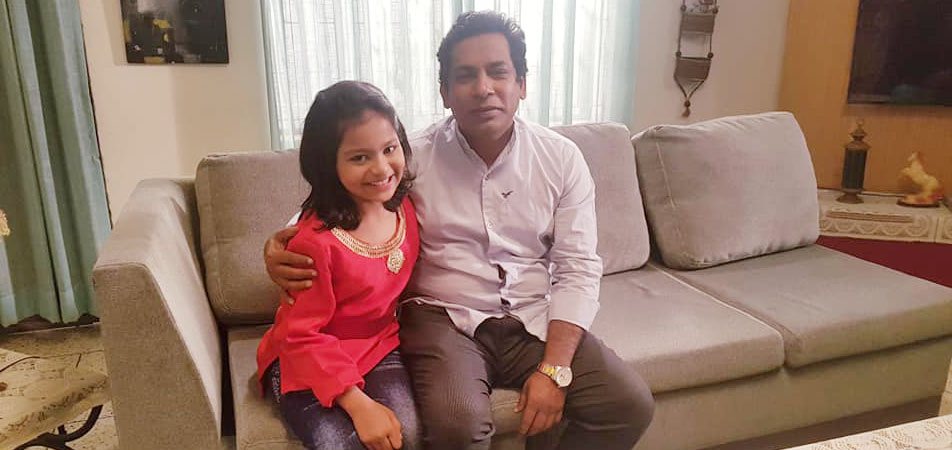
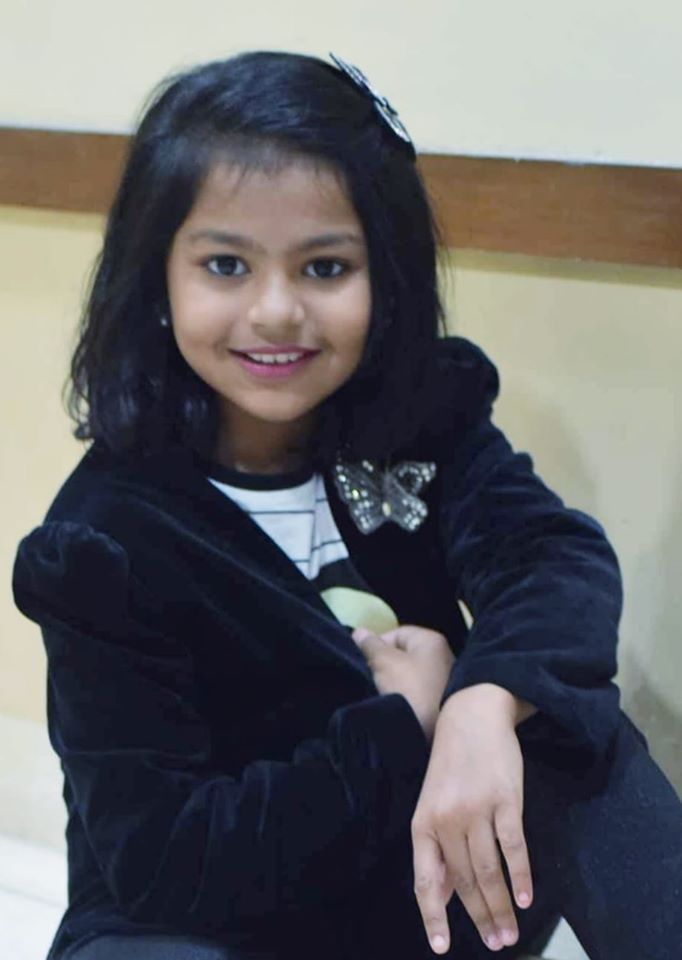
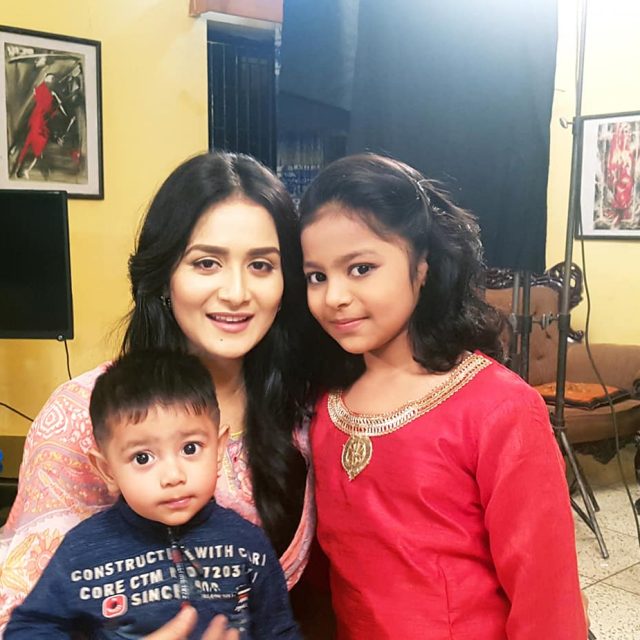
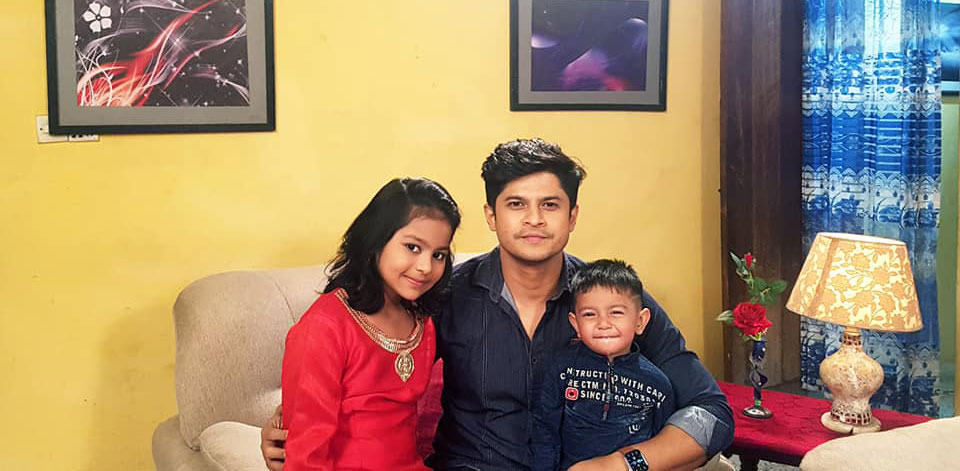
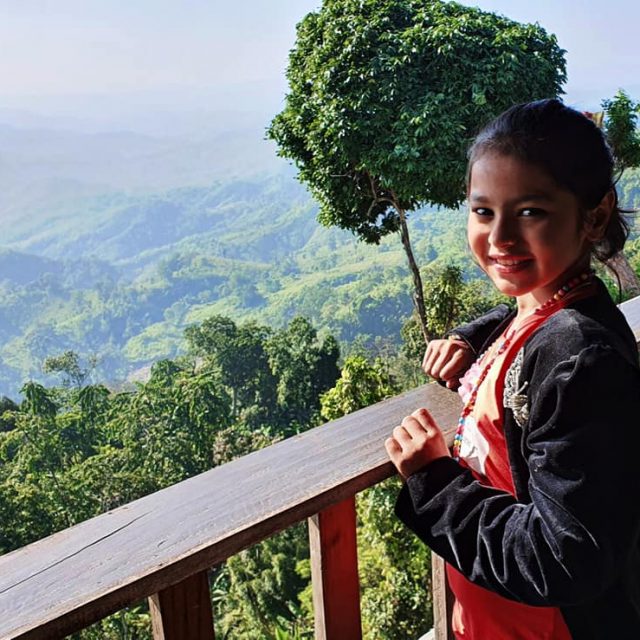






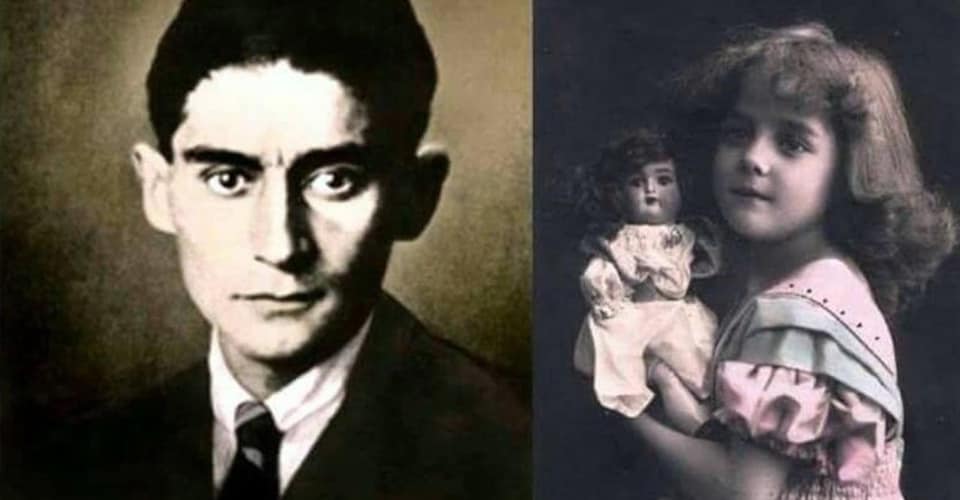


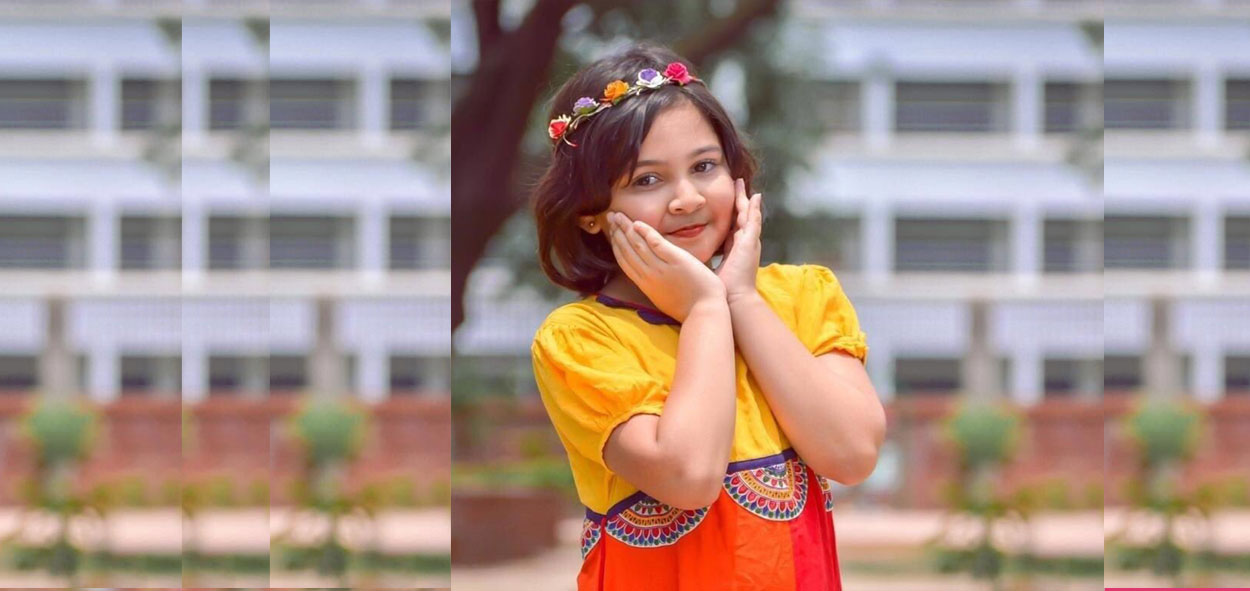
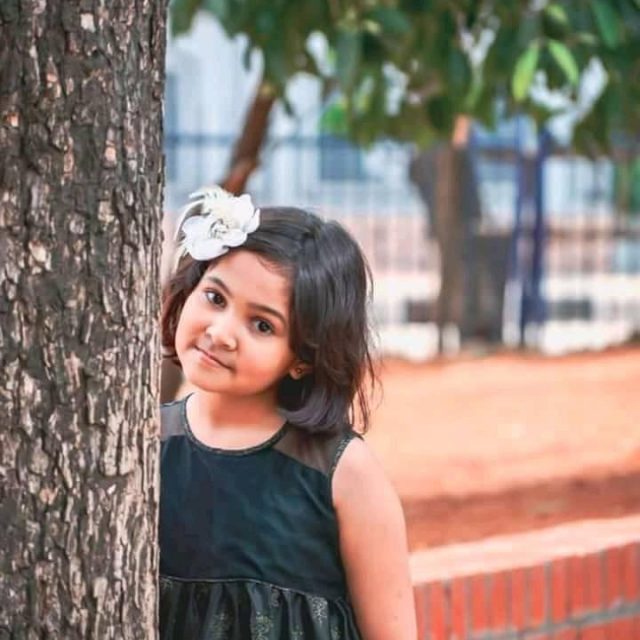
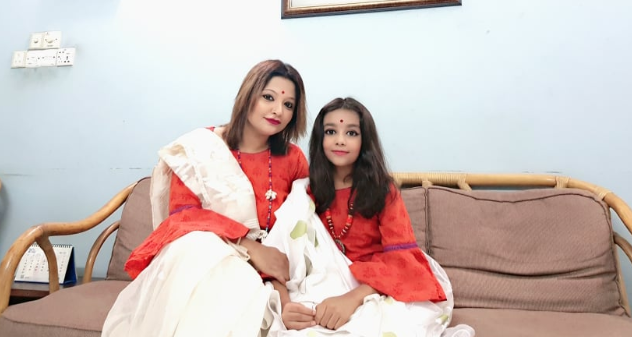
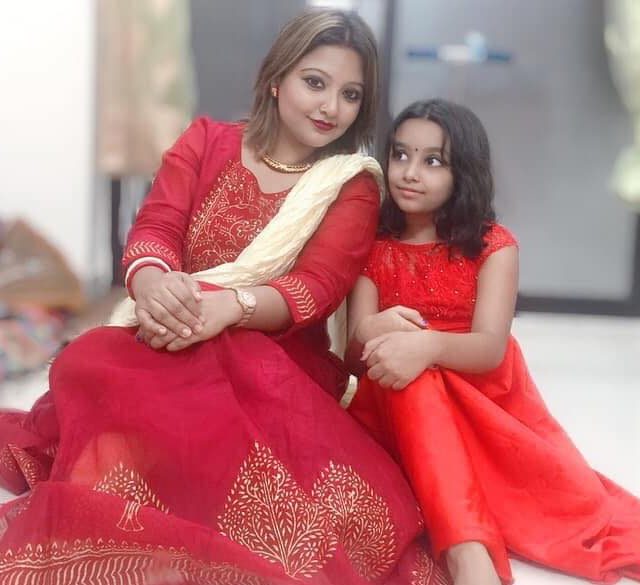
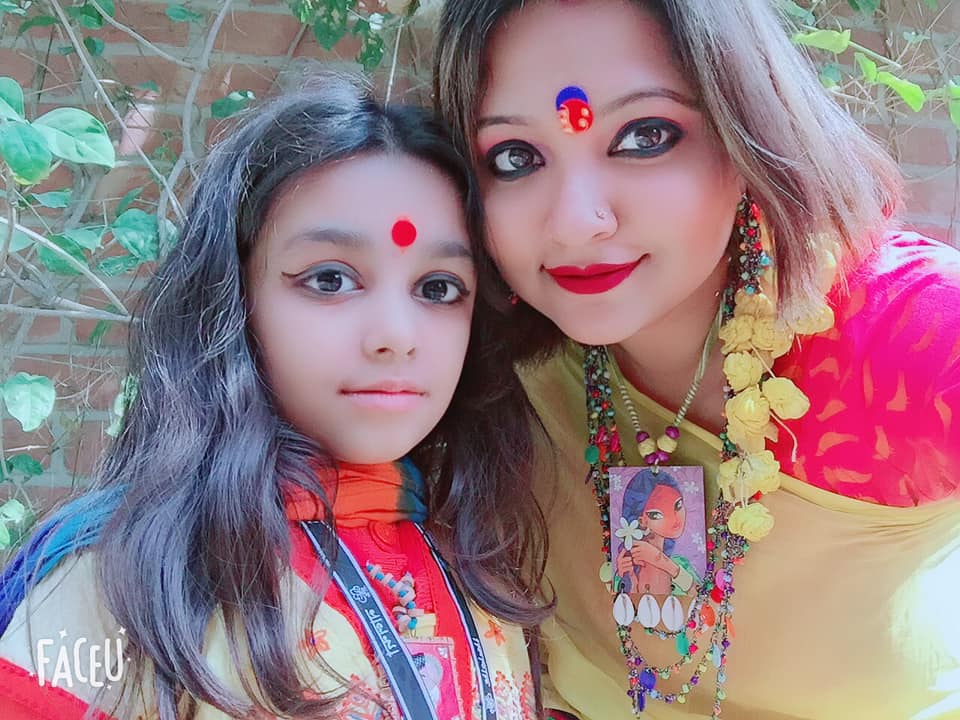
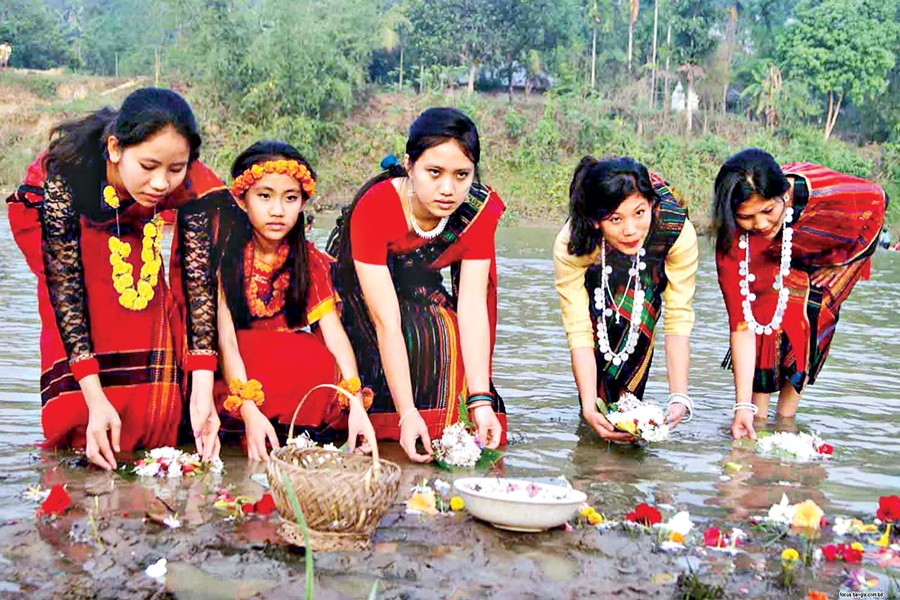

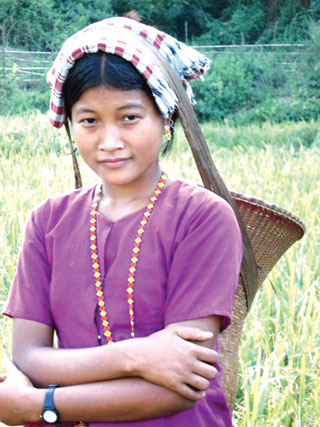
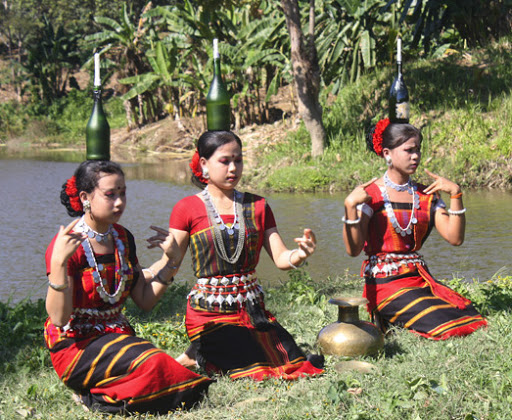


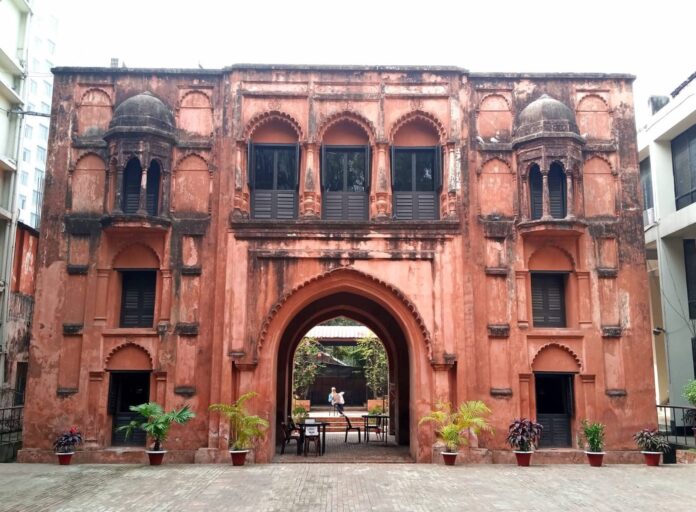
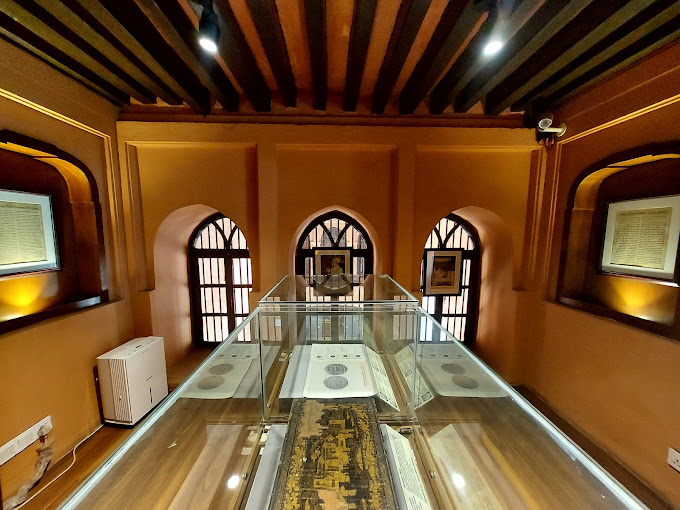
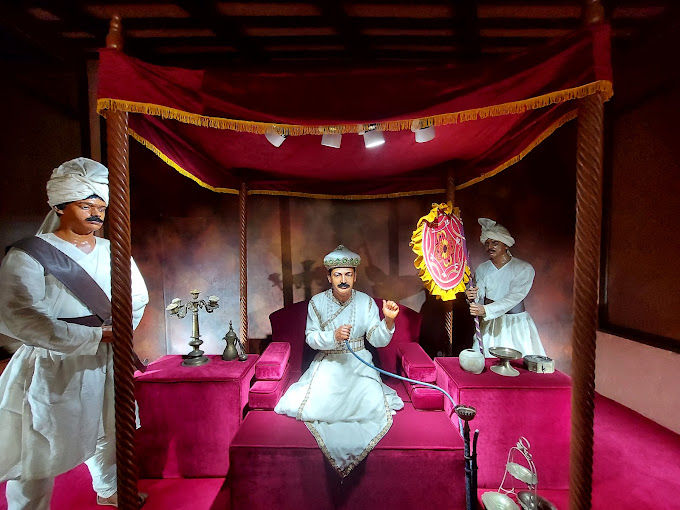
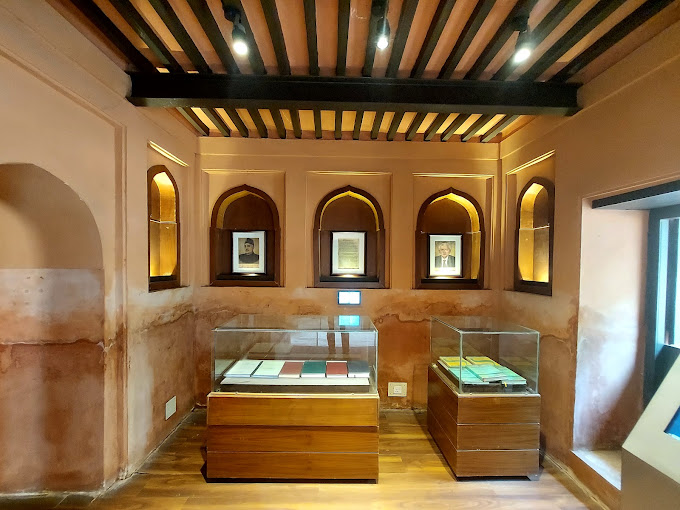
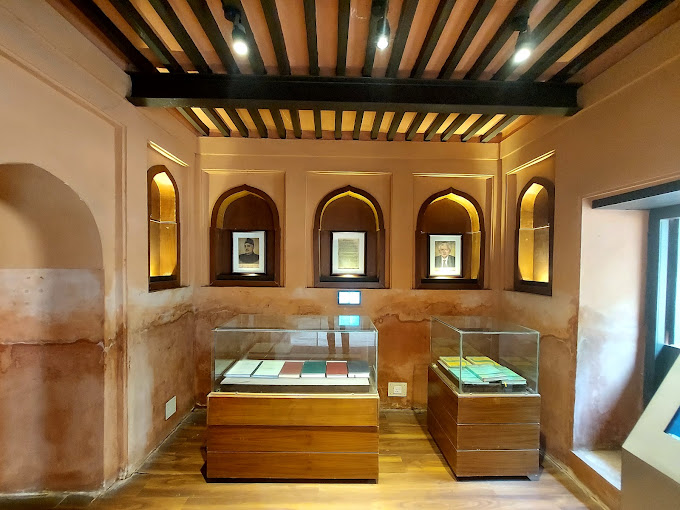
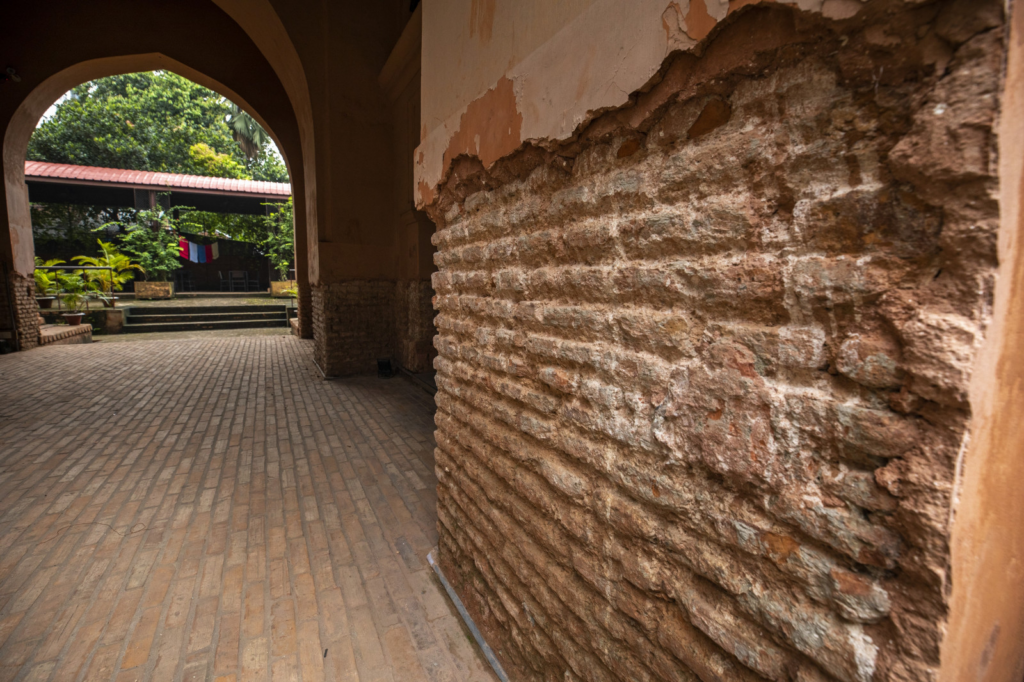


 Neelavro lives in Mirpur, Dhaka with his family. Neelavro is born in a good educated family, his father Bhuiyan Lutful Mamun Lincoln, post graduated (Archaeology) from



 His opponent Glenn McGrath may have said for that reason, “If I want to see someone batting with the last penny in my pocket, I’ll watch Brian Lara’s action.” Lara’s name spread to the Caribbean islands in the late ’80s. Kartley Ambrose bowled Lara for the first time and understood what does it mean to be a genius! Brian played against us in 1988. He scored 46 runs that day. I clearly remember, bowling him seemed to have something special in him. ‘